
Top Tips for Your First Trip to Europe

Top Tips for your First Trip to Europe Pin
Pin it for Later!

First time traveling to Europe? There’s a lot to consider for your first big trip abroad! If you’ve reached out to us to help you plan, you know most of the details are already taken care of. All that’s left is to pack, get on the plane, and enjoy your adventure! But even with a trusted travel agent by your side, it can feel a bit daunting heading to a completely unfamiliar place. Aside from preparing for the extra-long flight, what else do you need to know before you go? As seasoned European travelers, here are our top tips:

Packing

What to Pack: No matter where you’re going in Europe, you will be guaranteed to need three things: comfortable walking shoes, layers, and adapters. Your favorite dress shoes might look amazing, but if you’ve never walked farther than from the restaurant to your car in them, they need to stay home. Generally, the weather is constantly changing throughout the day. Fresh mornings give way to sweltering midday before cooling down again into beautiful evenings. To cover these changes you’ll need to bring some lovely light layers. Finally, you’ll need to select an all-purpose adapter to allow your US plugs to fit into a European outlet. Plus a converter if you’re bringing a US appliance (like a hairdryer) that can’t handle their stronger voltage.

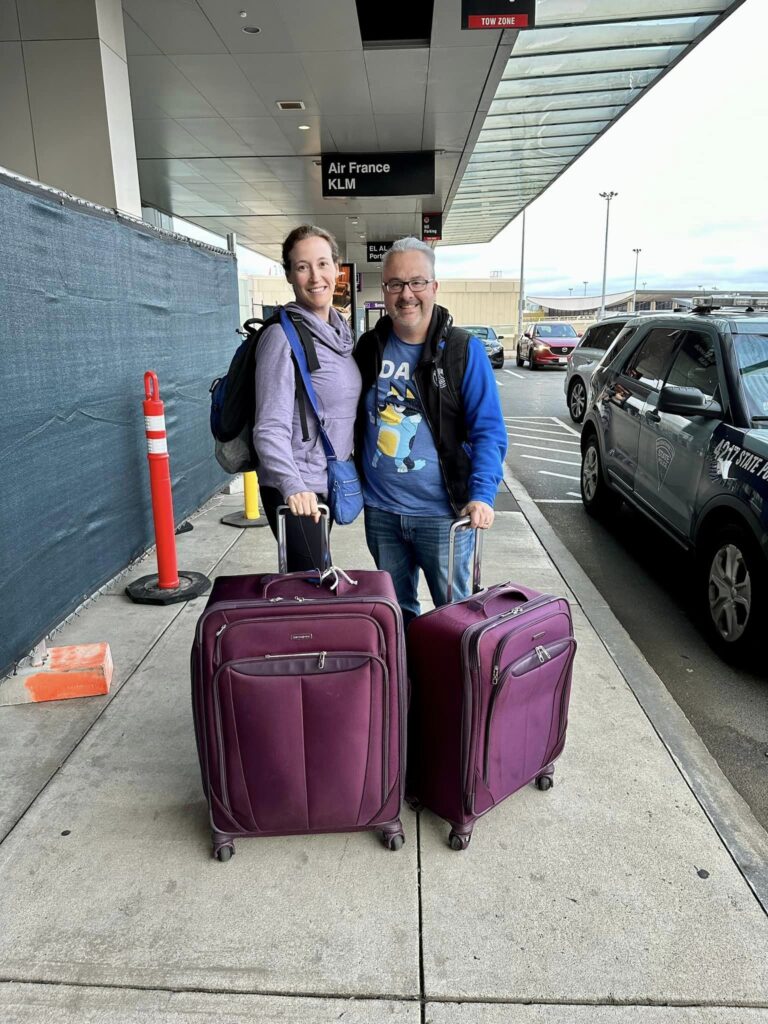
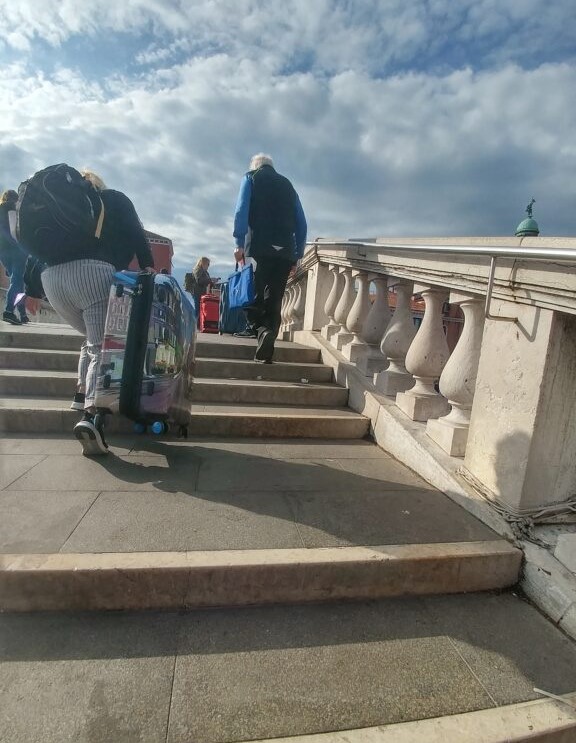
Pack Light: Even with careful planning, at some point on your adventure you’ll need to lift your suitcase. It won’t be over your head, perhaps just a small step into your hotel, up and over the bridges of Venice, or simply over the gap between the train and the platform. But you want to be sure you pack a suitcase that you can manage and maneuver. Check out our packing it all in a carry-on guide – even if you don’t plan on fitting it all in a carry-on, you’ll find some good tips to help you minimize. 

[Photo Credit: Liz via Shared Adventures]

Important Items: Make sure you pack all medicines, important phone numbers, a change of clothes, and expensive items/ electronics in your carry-on bag. Anything you need in the first 48hrs goes in the carry-on in case your luggage is delayed or lost.

Your Phone

Check with your provider: Communicating while abroad is important – whether with other people in your group or with your friends and family back home. Or, if you need to access maps, use handy travel apps, post on social media, or check other internet info. Check with your mobile phone provider in advance to see what their international plan is, how to set it up, and whether it’s worth using. 

Offline: If you decide you don’t want to use your provider’s international plan, you must put your phone into Airplane mode to avoid roaming charges. Even if you’re not actively using your phone, unless it’s in airplane mode, it’s using data. It’s also worth looking up how to download offline maps. This will help you so much when you’re jumping from wifi to wifi. 

[Photo Credit: Angela Compagnone via Unsplash]

Connecting: Most crucially, when you’re abroad, you’ll need to dial the country code to contact anyone. Here’s how to do that (works for both iPhone and Android). Secondly, we cannot recommend WhatsApp enough. Everyone in Europe has and communicates through WhatsApp. That includes your tour guides, your drivers, and even some restaurants. Imagine trying to make a dinner reservation when you don’t speak the language. Instead of struggling to communicate, you type out the request in a translator app. Then, simply send the translation to the restaurant via WhatsApp text! Easy, simple, and with no misunderstandings! WhatsApp also works off of the wifi/ mobile data. So even if you decide not to set up an international plan, you can communicate! 

Money Matters

Check With Your Bank: You’ll want to check your bank’s foreign transaction fees and currency conversion rates. Be sure to let them know you’re traveling so they don’t flag any card purchases by mistake. If you have a card that doesn’t charge foreign transaction fees (like a Capital One or Chase Sapphire) now is the time to use it! Also, be sure to bring a Visa/Mastercard since many places won’t accept Amex or Discover

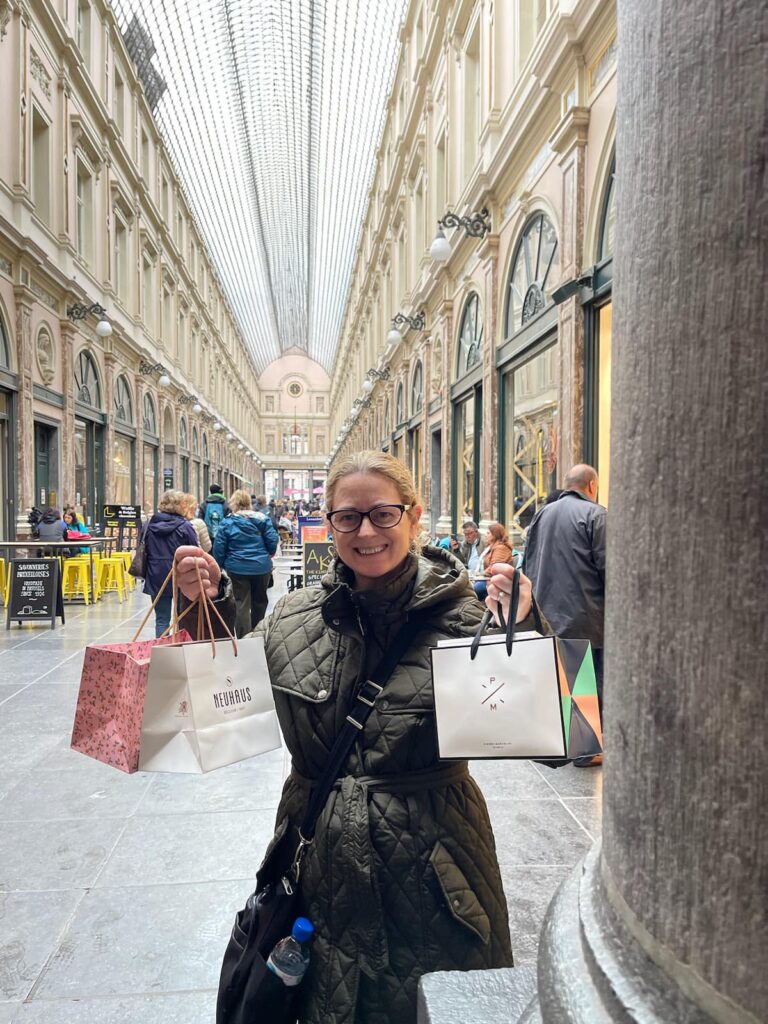
In Belgium Beth showing off her chocolate- shopping bags in the Brussels Shopping Mall

Cash vs Card: It’s not necessary to get a huge amount of foreign currency before you leave, but you’ll need some pocket money. The general rule is: anything under 10€ should be paid in cash. Some places won’t accept cards if it’s under 10€ and sometimes it’s more polite to pay for tips, taxis, cups of coffee, etc in cash. Plus, public toilets will only take 1€ coins. Remember: 1€ and 2€ are coins so don’t just get rid of “spare change”! For larger purchases in shops and restaurants, you can use your card to get the best exchange rate and some added protections. 

[Photo Credit: Beth & Bob via Shared Adventures Travel – check out their Amsterdam, Brussels, and Paris Adventure here! ]

Tipping: While in Europe, resist the urge to tip the way you do in the US. In restaurants check to see if a service charge is already on the bill. If not, and if you’re inclined to tip, don’t leave any more than 10%. Tip tour guides and drivers 2€ -10€ per person. For taxis, you can round up to the nearest Euro. European service workers, in general, make a living wage and do not need/expect a generous American-style tip.

Cultural

Language: Of course, they speak a different language! In major cities, a lot of the service industry at least speak English related to their jobs. But it’s always nice for you to try to meet them halfway. Always try to learn “hello & goodbye”, “ please & thank you”, “ do you speak English?” and “Where is the toilet?” These all go a long way. Don’t forget all the signs will be in the foreign language as well! Luckily, in transport areas like train stations and airports, you’ll often see English in small letters underneath.

Dining Times: Throughout most of Europe the dining times are more specific. Many places, especially in Italy, Portugal, and Spain, close down for an afternoon siesta between 2:30 pm – 7 pm.

To avoid only finding sad sandwiches for lunch, make sure you’re getting lunch before 2 pm. Similarly, many restaurants don’t serve dinner until 7 pm. Certainly, there are a few open earlier, and in big cities, some are open all day. However, you’ll limit your choices if you’re trying to eat dinner before 7 pm.

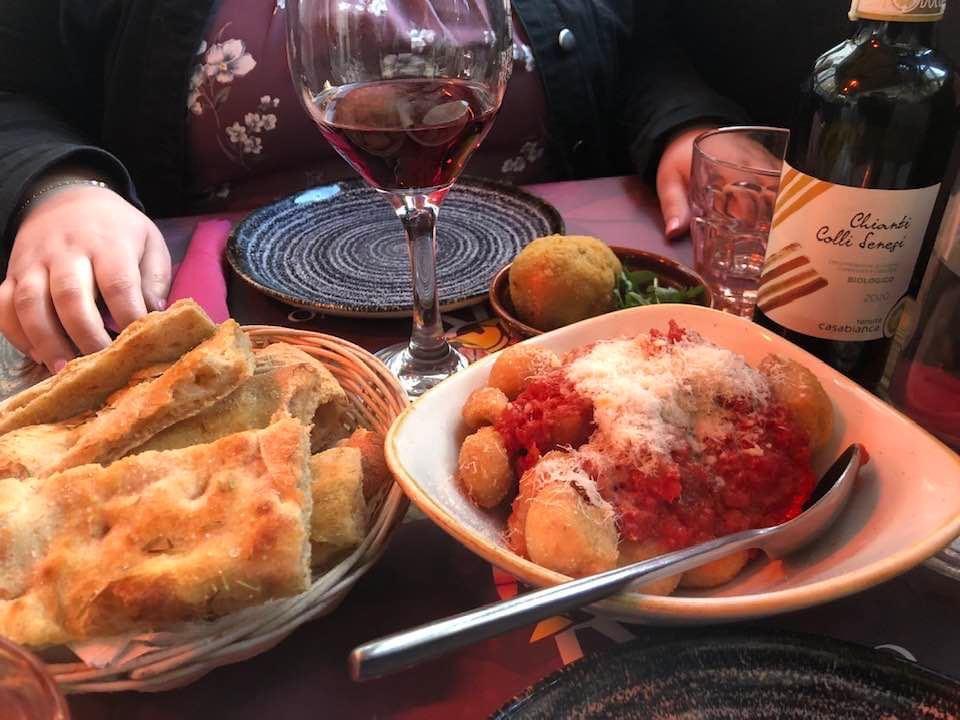
[Photo Credit: Hilary and Zackary via Shared Adventures Travel — read about their Rome & Amalfi Coast Honeymoon here!]

delicious meal in southern Italy

Finally, in Europe, water doesn’t come automatically to the table. If you want water, you’ll have to order it and it usually is only available by bottle without ice.

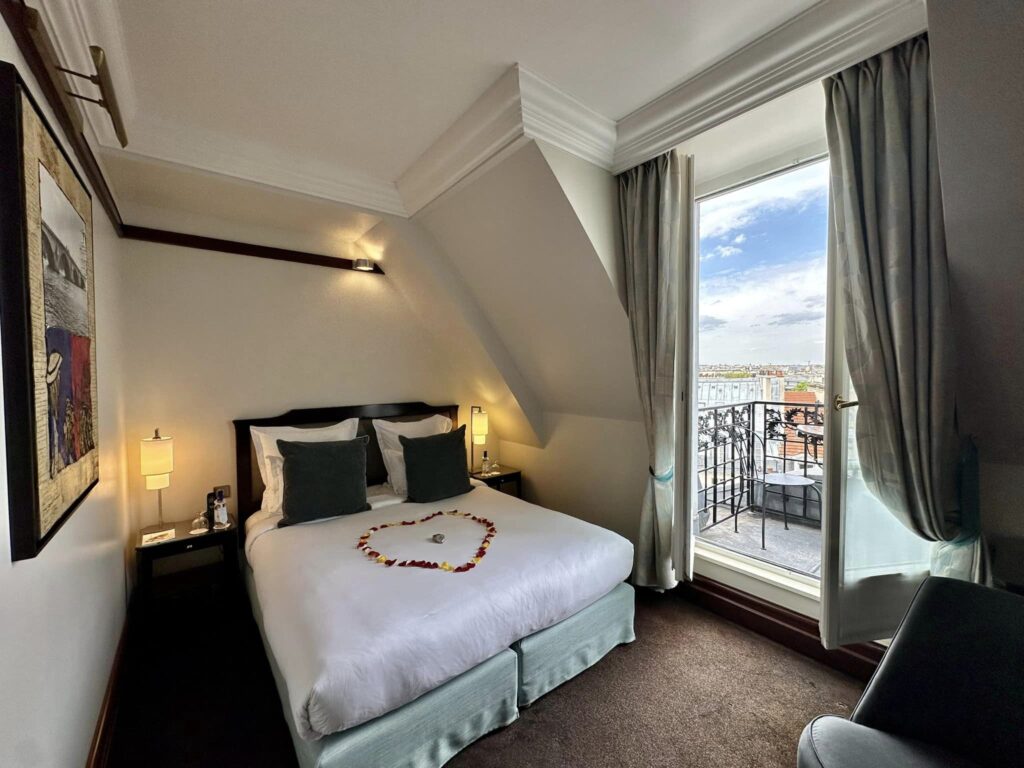
Rooms: Unless you’re booking a suite, most of the hotel rooms and beds tend to be smaller than typical American standards. And that includes the bathrooms. 

Safety

Be Informed: To keep yourself informed, you can enroll in the Smart Traveler Enrollment Program (STEP). This is a free service that allows you to pre-register your travel plans with the US State Department. This way, they can keep you informed of safety conditions at your destination(s). Plus, the US Embassy will know how to reach you in the event of an emergency (including a family emergency at home). To enroll in STEP, visit https://step.state.gov/step/. To keep others informed – make sure you leave a full itinerary with a reservation number with a friend or family member. 

Overlooking Paris at sunset from the Arc du Triomphe

Keep Tabs on your Belongings: As with any crowded city or location, you want to make sure to keep an eye on your belongings. Don’t leave your phone in your back pocket, and have a bag that goes across your body and has zippers/ multiple pockets. 

[Photo Credit: Kim & Paul via Shared Adventures — read about their Paris Adventure here!]

Standard Precautions: Even though you are on vacation, please follow the same health/safety precautions you would if you were closer to home. Don’t drink to excess (especially in the hot sun), and never leave a drink unattended. Don’t wander around alone at night; practice the buddy system. Lock your hotel room windows and doors (and use the deadbolt provided, or bring an inexpensive door wedge or travel lock of your own). Leave expensive jewelry and electronics at home, and keep valuables in a safe and secure place (such as the in-room safe). If you run into legal trouble or are the victim of a crime, reach out to the nearest US Embassy for assistance. Your rights/responsibilities are different in foreign countries. 


While there will always be new things to discover on each adventure you take, we hope this blog has helped you feel more prepared to tackle your first big trip abroad! Now you’re ready to step off the plane and enjoy your European Adventure stress-free. Bookmark this page for later and if you would like some help planning your next adventure let us know!

Which Style Cruise is Right For You?

Pin it for Later!

You’re ready to head out onto the water, take the plunge, and take a cruise! But which cruise style is perfect for you? Would you rather enjoy the rolling ocean or a meandering river? Tropical islands, fjords or fascinating European cities? Is your perfect vacation full of activities, adventures, and parties? Or more subdued relaxing, soaking-up-the-sun vibes? You’ve heard of big cruises vs small luxury cruises vs river cruises — but what are the actual differences? Here’s our breakdown of the basics:

Big Mass-Market Cruises

Atmosphere: There’s a sense of excitement aboard the big cruise ships. Whether you’re on Carnival, Royal Caribbean, Norwegian or a slightly more “premium” line like Celebrity — the name of the game is variety! These floating cities offer more options than some small towns! 

performers onstage during a Cruise Ship live show

There’s always something to do, to see, a wide range of amenities, and countless dining options. The focus here is on entertainment — with huge blockbuster-style live shows, live bands, comedians, art auctions, game shows, casinos, and nightclubs. Often, the cruise ship itself is just as much part of the experience as the destinations. You’ll find skating rinks, surfing simulators, roller coasters and more!

Size: The smallest big cruise ship has around 1,000 guests while the largest in the world holds nearly 7,000. And that doesn’t even include the crew!

Pros:

  • Huge variety across ships
  • Lots of dining options, entertainment, & nightlife
  • Visits popular destinations with lots of shore excursion options
  • Programs and camps for kids
  • Wide range of cabins to suit all budgets

Cons

  • Many, many people – you can sometimes feel like another face in the crowd
  • Lots of walking to get from one end to another
  • Can be difficult to find a sense of seclusion
  • Longer lines and wait times

Perfect For: If you’re traveling with a big group or with younger kids this is a great option. Or, if you’re a night owl and love to enjoy live entertainment, then these big ships are perfect for you! There’s always something to do, eat, and see. With lots of shore excursion options – everyone in the group will find something to love. And for the kids – they’ll never get bored! If you’re left a little bit cold by the idea of sailing with that many people, look into a smaller “ship-within-a-ship” experience like The Haven on Norwegian’s ships.

Small Luxury Cruises

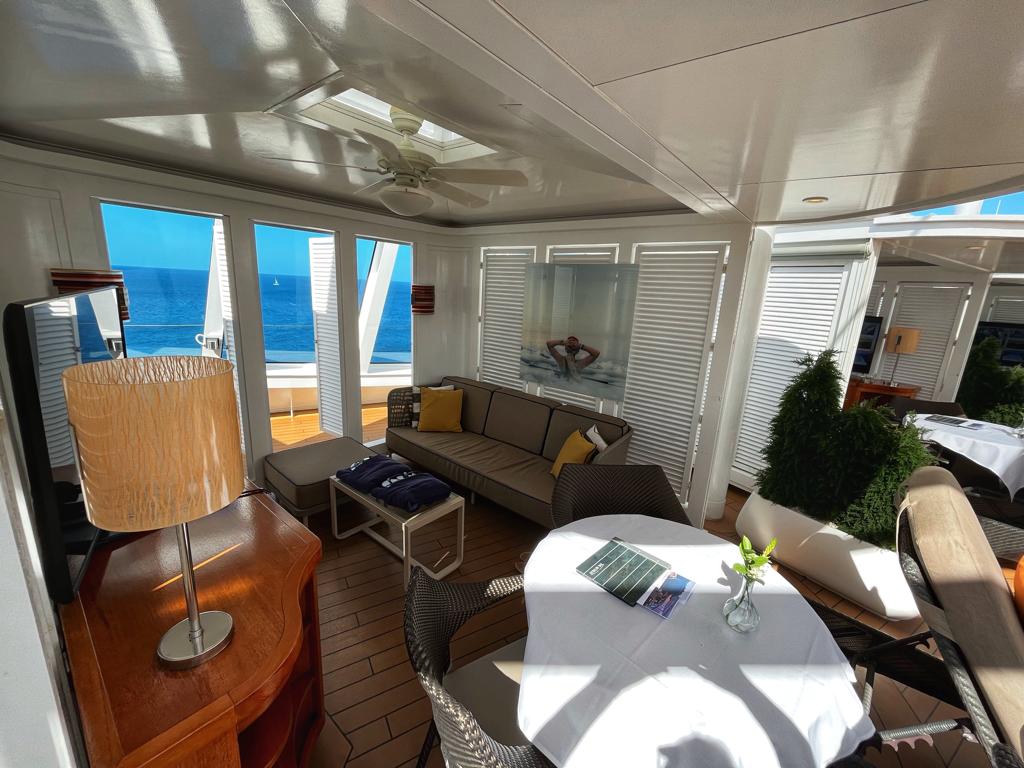
Atmosphere: Smaller luxury cruises like the one Ann recently took with Seabourn offer many similarities to the big cruises. But there are a few key differences. The most noticeable change is the atmosphere.

With fewer people and a more luxurious setting, these cruises strive for a personalized and relaxed vibe. You’ll find a focus on culture and nature with not as much nightlife available. There are still several lounges and restaurants, and some live music, but nothing too big or flashy. The focus here is rest and relaxation.

the realxing Retreat on Seabourn Ovation's caribbean cruise

Size: As few as 100 guests ranging up to around 700 guests for these small luxury cruises.

Pros:

  • More personal experience – small guest-to-crew ratio
  • Larger cabins
  • Can access smaller harbors and more out-of-the-way destinations
  • Can get you up close to glaciers, whales, waterfalls etc
  • Peaceful and romantic vibes

Cons

  • Not as much to do on board
  • Not very much nightlife
  • Higher price tag – can be tough for groups/families
  • Not as many activities for kids

Perfect For: Couples cruises, adventurers, and luxury travelers. Anyone who prefers exploring cool destinations at a leisurely pace on their own. 

River Cruises

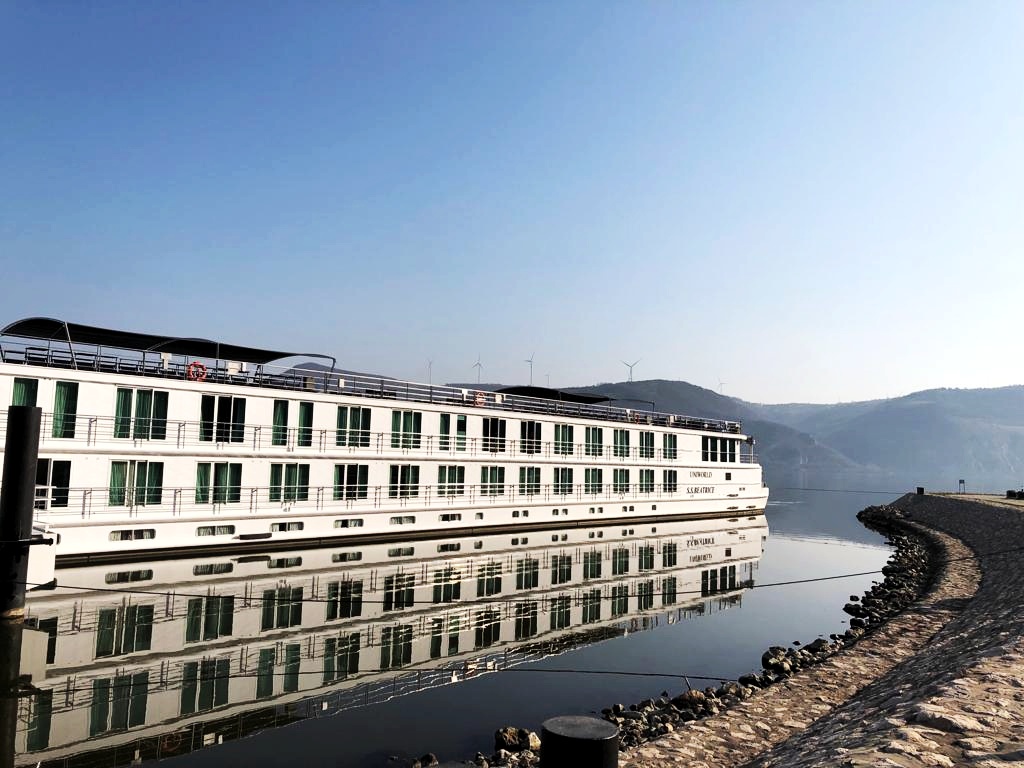
Atmosphere: River cruises are all about that slow travel experience. Meandering down the river watching spectacular scenery and quaint villages drift by. River cruises deliver a sense of serenity and peace. Many river cruise ships offer amenities like a small spa, hot tub or plunge pool on the top deck, and lounges for relaxing with a cocktail. But the focus and excitement can be found in the ports. You’ll visit bustling cities, charming towns and villages, and scenic countryside.

River Cruises generally sail in the evenings, unless they’re on a particularly scenic stretch of the river, and you get to spend much of your day exploring fascinating cities like Amsterdam and experiencing new cultures like traditional Bulgarian folk dances. You won’t have many “sea days” where you’re spending the whole day on board.

River cruises are also more all-inclusive. Usually, your drinks, food, wifi, and many of the shore excursions are all included in the cost! 

Size: The smallest cruises on African rivers average just 30 guests while the larger Viking ships reach around 200. 

Pros:

  • Dock directly in city centers
  • Many tours included in upfront cost
  • More time in ports – practically no ‘sea days’
  • No large crowds
  • More of a local, authentic feel in ports

Cons

  • Not much nightlife; onboard entertainment tends to be lectures and local musicians/dancers
  • Fewer dining options
  • Smaller cabins
  • Included tours are often in the mornings, so there’s less opportunity to sleep in

Perfect For: Seeing a lot of different locations in one cruise, older couples, history buffs, those who like city breaks, and those who like exploring different cultures. 

Expedition Cruises

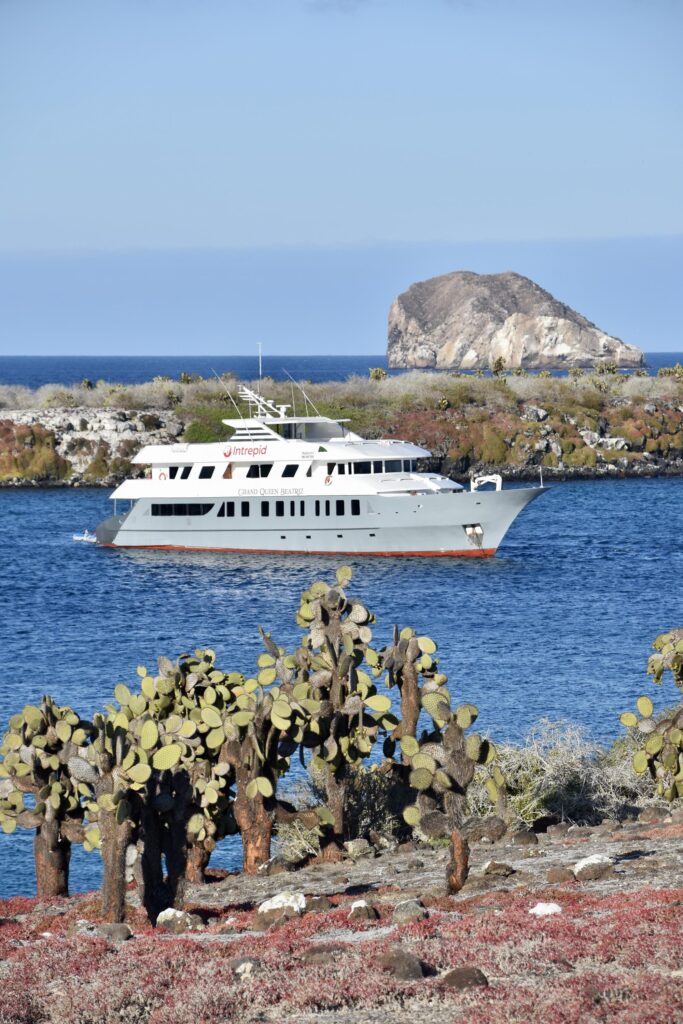
Atmosphere: Expedition Cruises are voyages to hyper-specific far flung destinations. With a huge focus on nature and a sense of adventure. These cruises are smaller and have local experts leading you every step of the way. There’s not much to do onboard the ship itself, but you don’t notice because your days are so full of exciting exploration you sleep soundly each night. 

On expedition cruises, you’ll experience out-of-the-way destinations like the Galapagos, Antarctica, or the Norweigan Fjords. All the guests enjoy a love of adventure activities and totally unique experiences. The focus is on the entire journey and environment in which you are traveling not just the port.

The Queen Beatriz yacht floating between two islands of cacti in the Galapagos

Size: The smaller ships will only hold around 30-40 guests but can go up to 300 for the bigger voyages. 

Pros:

  • Incredible far-flung destinations
  • Lots of unique experiences
  • Expert guides with you every step
  • Daily activities included in the cost
  • Generally adults only

Cons

  • Not as much to do onboard
  • Moderate physical fitness and mobility necessary
  • Not much “beach & relax” time
  • Require an investment (in time and money)

Perfect For: Big adventures and bucket list trips. If there’s a place you’ve always wanted to see or an adventure you’ve always dreamed of experiencing, this is the perfect opportunity. Good to do when you’re younger as the fitness level necessary can be more demanding. 


There are so many choices when it comes to cruising, we hope this little guide helps you decide which style of cruise is the perfect fit for your next vacation!

8 Things to Know Before Going to the Azores

8 Things to Know Before Visiting the Azores
Pin it for later!

Maybe you’ve heard a bit about the Azores or seen Ann’s blog post about her epic adventure. You know they are a stunning archipelago off the coast of Portugal, with lush green scenery, incredible waterfalls, and crater lakes that pop up on every Instagram feed. A perfect balance between the lush awe-inspiring landscapes of Hawaii with the volcanic roots and slightly unpredictable weather of Iceland. Plus, a little something extra. You’ve done some research and looked at Ponta Delgada, the Sete Citades, the thermal baths, and the whale watching, and your bag is practically packed already!

Now, what might surprise you about these islands, and what’s important to know before you step on a plane? Here are our Top 8 Tips:


The Basics

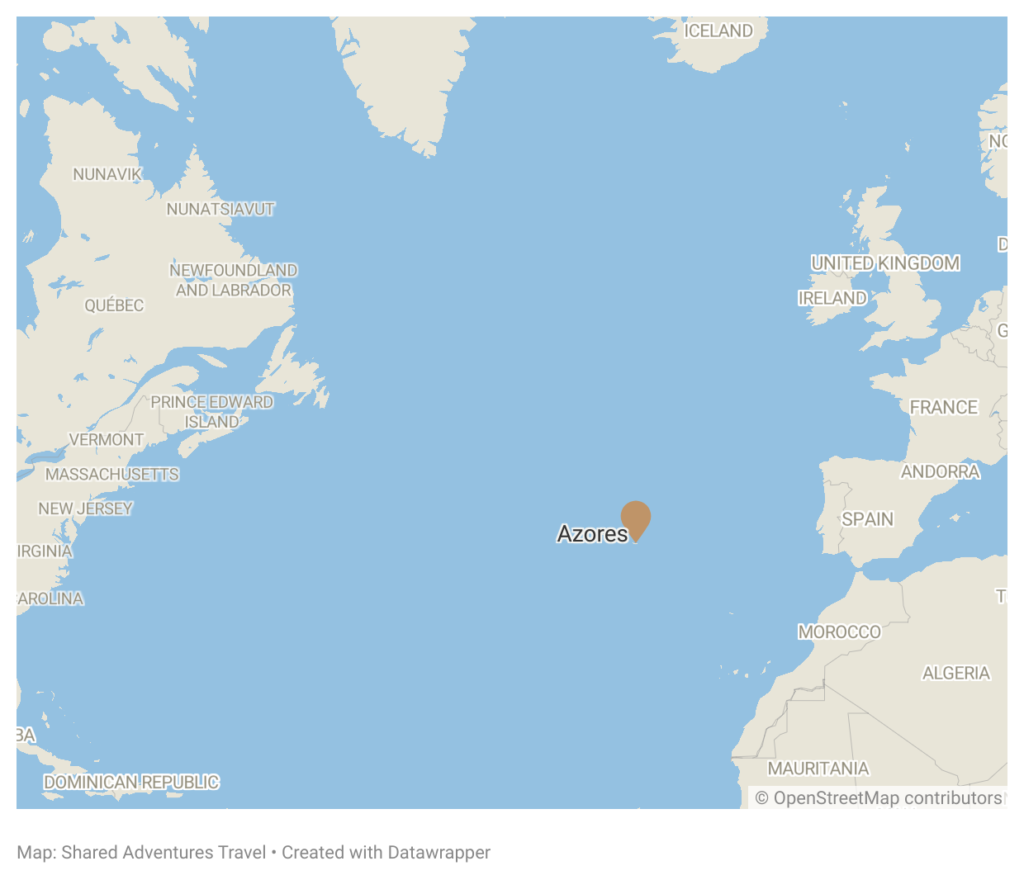
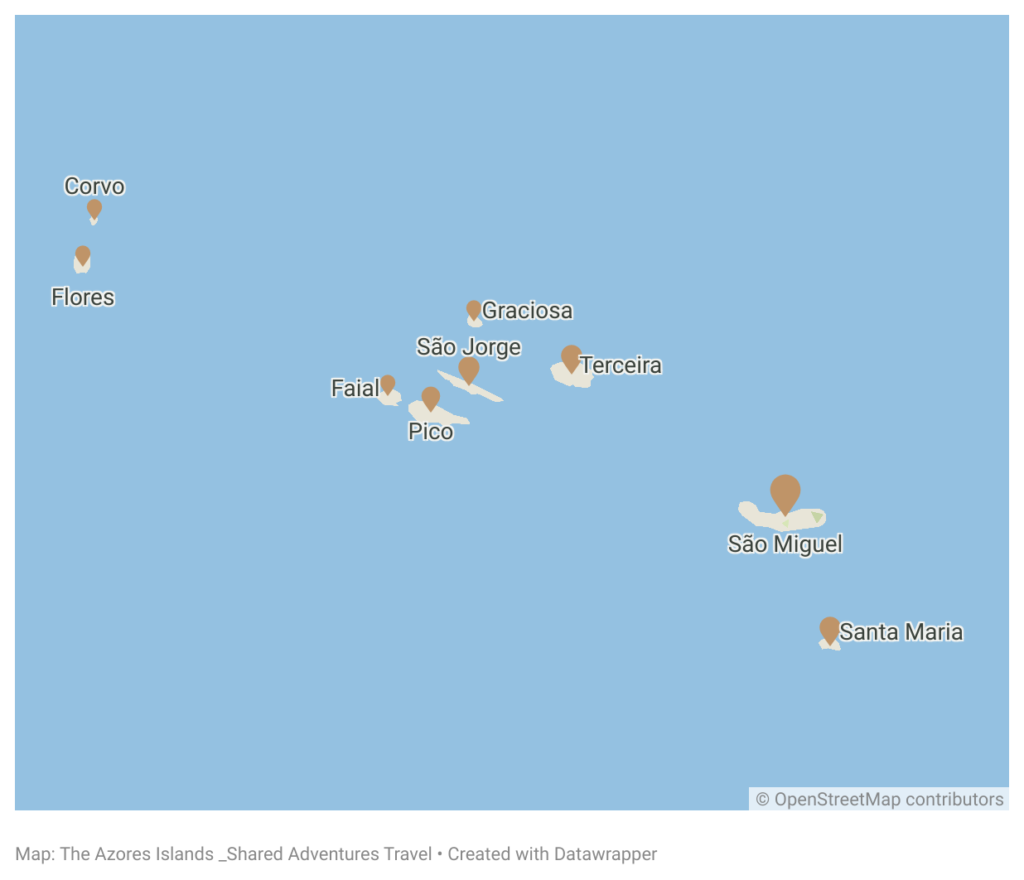
a map showing the Azores between the US and  Europe

First a little primer on the Azores.  It is a nine-island archipelago off the coast of Portugal, about a 2hr flight from Lisbon and a 5hr flight from Boston. The islands are distinct for their incredible nature, above all else. These volcanic islands boast beautiful black sand beaches, gorgeous pastoral valleys, and luscious impossibly green, hilly countryside.  The official language is Portuguese, but English is widely spoken and the official currency is the Euro.

a close up map of the nine Azores Islands

The nine Azores islands divide into three groups based on proximity. The Eastern Group comprises São Miguel Island and Santa Maria Island. The Central Group is the islands of Terceira, Graciosa, Faial, São Jorge, and Pico. Finally, the Western Group consists of Corvo Island and Flores Island. Because of their configuration, you’ll either need to take a ferry or an inter-island flight to go island hopping.

Top activities in the Azores

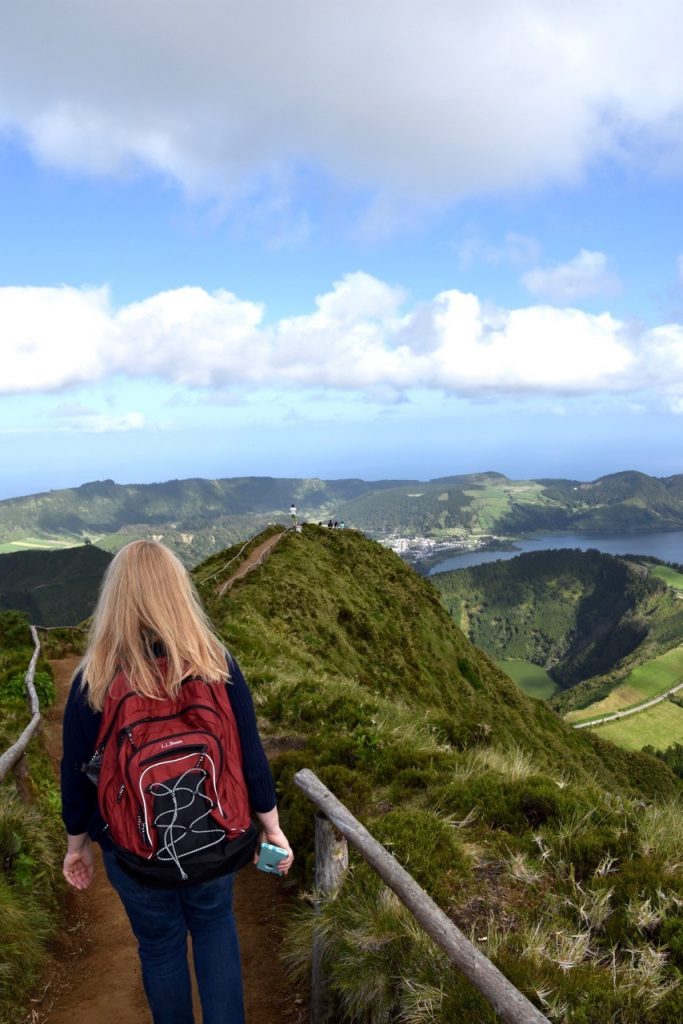
Ann hiking along a path on top of the hilly and lush green Azores Islands
IPhoto Credit: Annie via Shared Adventures Travel]

The Azores are made for nature adventures and take sustainability seriously. The primary activity on any of the islands is hiking. These verdant hills offer beautiful trails that open up to stunning views. For the super adventurous you can also go canyoning – sliding down waterfalls and rappelling into the extinct lava tubes. The Azores are also famous for their whale watching, thermal hot springs, and natural pools.

Staying in the Azores

You can find everything from campsites and eco-lodges to high-end hotels on the Azores. But to retain the natural and cultural beauty that makes these islands so special, you won’t find any high-rises or large beach resorts. Room counts are low, so booking ahead is crucial.

While you can get a taste of a single island and see the main highlights in 2-3 days, spending a week or longer will allow you to do some in-depth exploration and a little island hopping.

Top 8 Tips

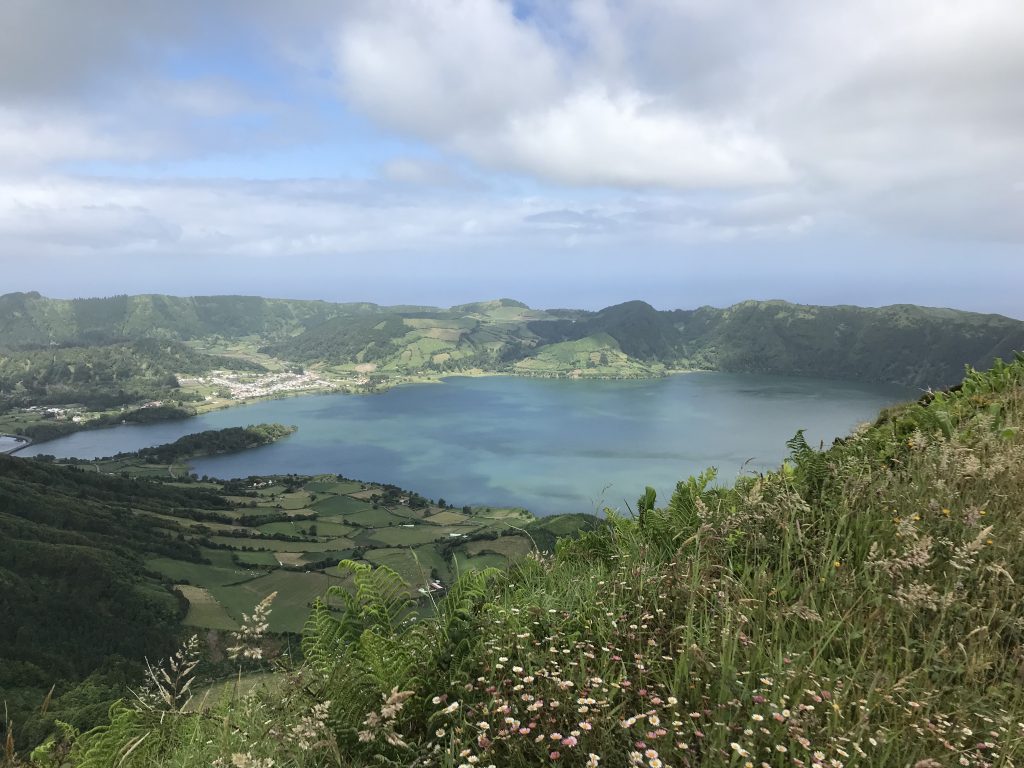
Sete Cidaes hike view of lake in Azores
[Photo Credit: Annie via Shared Adventures]

1. The Azores have an amazing Foodie scene

Often remote islands have to ship in food from the mainland, making it quite expensive and not the best quality. But the Azores is a Foodie’s paradise! With rich, fertile, volcanic soil they grow some incredibly delicious fruits, vegetables, and wine. In addition, they have herds of free-range cattle happily munching on the green grass and producing incredible dairy products. Trying the cheeses on the Azores is a must. Since they are islands in the middle of the Atlantic, several of their most famous dishes involve fresh seafood. You’ll also find some soups, stews, and steaks are part of the cultural cuisine. The Cozido das Furnas is particularly unique, a stew cooked inside thermal vents. Also unique to the islands are the locally grown pineapples, which rarely leave the island and are often served for dessert!

If you’re visiting in the high season, it’s advisable to book a few restaurants ahead of time to ensure a table. Between tasting the local wine and enjoying the fresh food, you could spend all your time eating your way around the Azores.

lush green mountains from the Sete Cidades hike Azores
Photo Credit: Kendra and Shad vis Shared Adventures – read about their Azores Adventure Here]

2. The weather is constantly changing – but the webcams will help

The Azores can be beautiful sunny islands….sometimes. Locals like to say they experience four seasons in a single day. While there are some beautifully clear, sunny days, you’ll also likely experience wind, thick fog, and driving rain. The weather is best in the summer months, but don’t be surprised if one side of the island is entrenched in thick fog while the other side has blue skies. The temperatures are always moderate, rarely dipping below the low 50s in winter or rising above the high 70s in summer.

Because of this unpredictability, the Azores has set up webcams of the major sites. If you’re driving yourself around the island you can use these webcams to decide where to go when and stay one step ahead of the weather! But changes can happen throughout the day, so be sure to pack both a raincoat and a sunhat.

3. Resources for Hiking

Hiking in the Azores is a beautiful and jaw-dropping experience. It’s one of the main attractions of these pristine islands! You can find a list and description of all the trails on the Azores site.

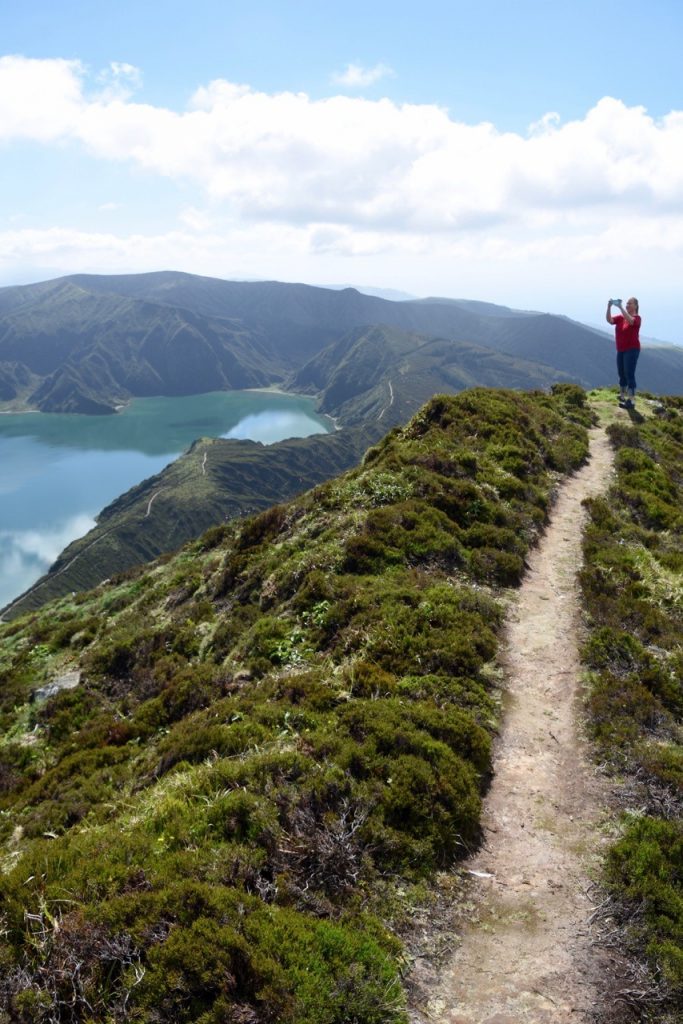
a dirt hiking trail overlooking an incredibly blue lake in the Azores.

The trails are generally well-maintained and very well-marked. Wooden signage indicates which way you should be going and if you’re going the right way. There are often picnic areas dotted along the footpaths and plenty of opportunities to take a dip in the pool of a waterfall.

It’s important to keep in mind that the Azores are mountainous, hilly islands. So, even the easiest of paths will have a few steep accents or descents to contend with. Good hiking shoes are recommended – especially if they’re waterproof. You don’t necessarily need a guide for hiking. But, if you have limited time, a guided tour will help you see the best views and can’t-be-missed spots to make the most of your time.

4. Even if you rent a car- you still need the Taxi’s phone number

It’s not necessary to rent a car to discover the islands. But it will give you a lot more freedom to explore the island at your own pace and make spur-of-the-moment decisions about which trails, pools, and viewpoints to visit. If you’re not comfortable driving on hilly roads or narrow town streets, taxis and tours are always good options. We recommend using a combination of the two to see as much as possible.

However, even if you do rent a car, many of the hiking trails are linear and will not circle back to your parking space. It is for this reason that everyone should stop in the tourist information center – Delegação de Turismo. (located in the airports and near the ports). They will give you the phone numbers of all the different taxis and, more importantly, they’ll tell you which taxis are best to call in each area. This way you can arrange for a taxi to pick you up at the end of a linear hike.

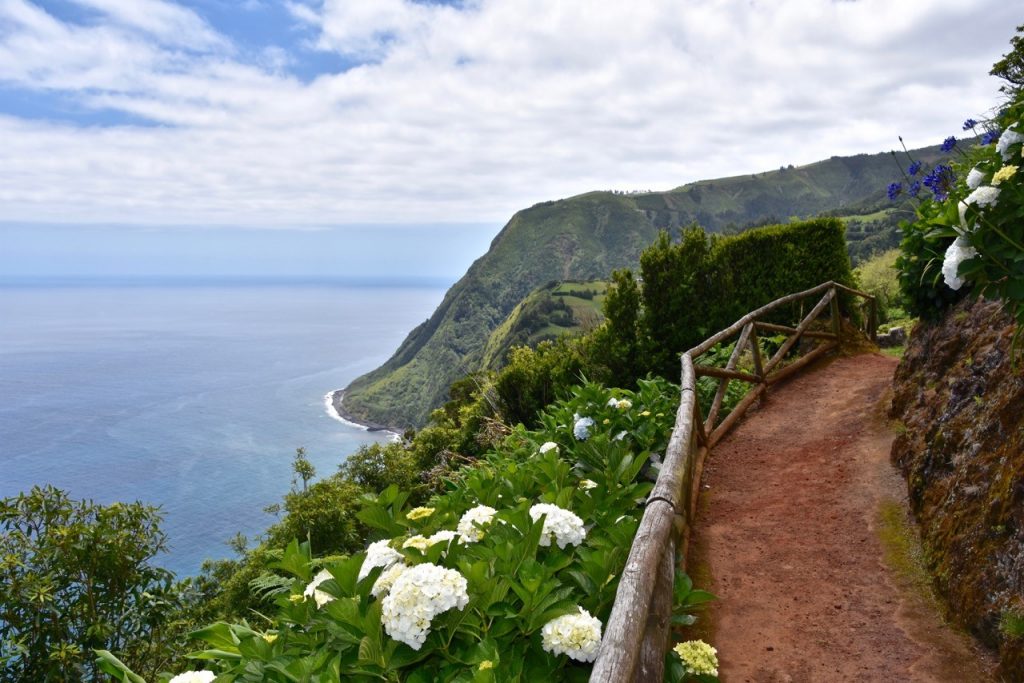
a path lined with flowers overlookign the mountains and blue sea of the Azores Islands Portugal
[Photo Credit: Annie via Shared Adventures Travel]

5. Hikes and Drives will always take longer than listed on the websites

The beauty of the Azores is best appreciated from the countless Miradouros or viewpoints. Around every corner, on most of the hikes and roads, you’ll want to stop for an awe-inspiring view. This is one of the best parts of the Azores. Stunning. Therefore, it’s important to keep in mind that when google maps or the Azores hiking trail tells you a drive or hike will take a certain amount of time, you need to add at least an extra half hour. Be sure to give yourself time to take it all in.

6. It’s always whale-watching season

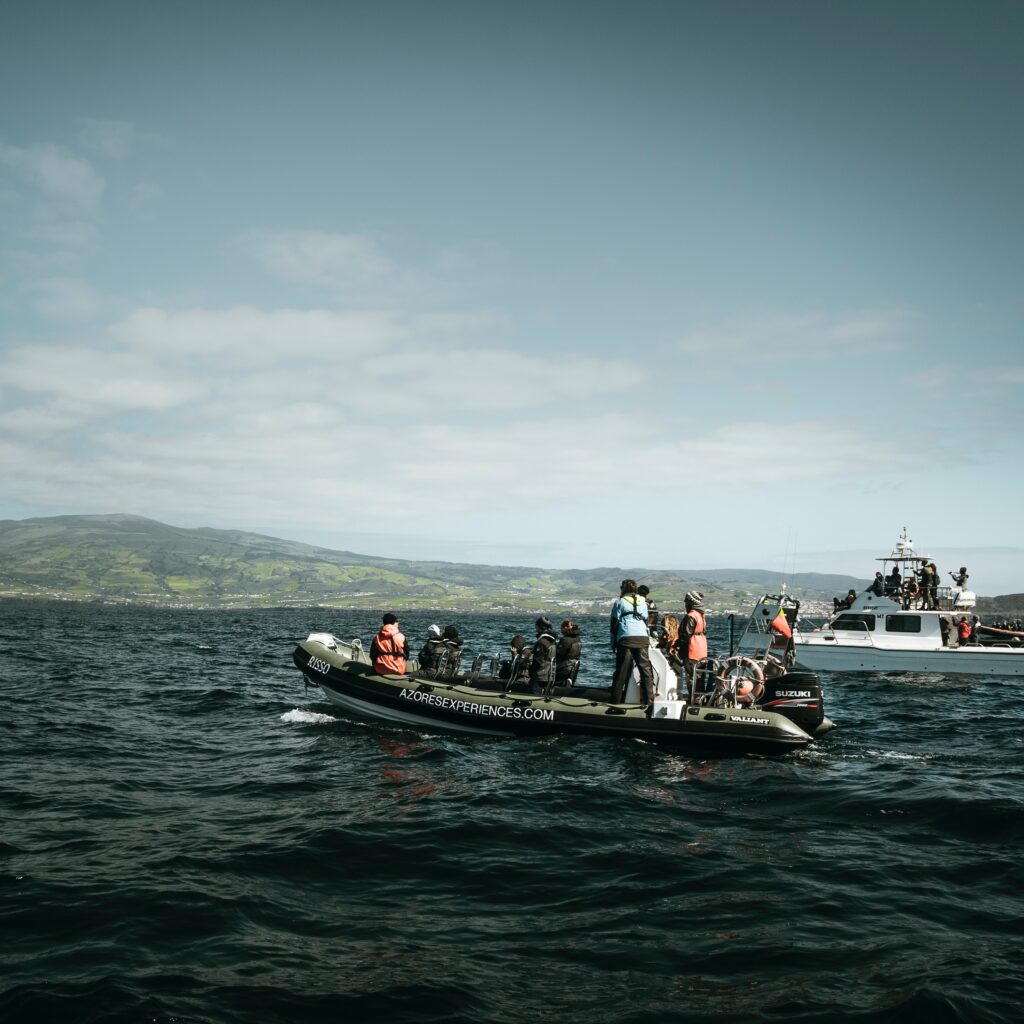
groups in small boats watch for whales on the Azores

As with many whale watching places, you can see the most variety of species in the Spring. However, Sperm Whales live around the Azores year-round, meaning it’s always whale-watching season! In fact, the Azores is one of the biggest whale sanctuaries in the world. When you take a whale-watching tour you know the companies are committed to sustainability, education, and conservation.

[Photo Credit: Andrea Zanenga via Unsplash]

While Sperm whales can be elusive, your chances of an encounter are good as they still use whale spotters or Vigias. Once used by the whaling industry to help them hunt the whales, whale-watching tours now use these talented individuals to help direct them to a sighting. An experienced spotter on land can see the blow of a whale up to 50km out to sea, and they can tell what type of whale it is by the blow!

7. While not known for its beaches – still bring your swimsuit everywhere you go!

If you’re expecting a white-sand-beach tropical island, the Azores don’t fit the bill. That doesn’t mean there aren’t plenty of opportunities to swim in incredible waters! Being a volcanic island, most of the beaches are black sand or pebble beaches. (Except for Sao Lourenco bay on Santa Maria Island). Additionally, the Atlantic Ocean can be tempestuous. Perfect for surfing but with strong rip tides and currents it’s not recommended for inexpert swimmers. What gives you that island paradise vibe are the incredible waterfalls with inviting pools at the bottom. After taking a long hike through the tropical hills, dive in.

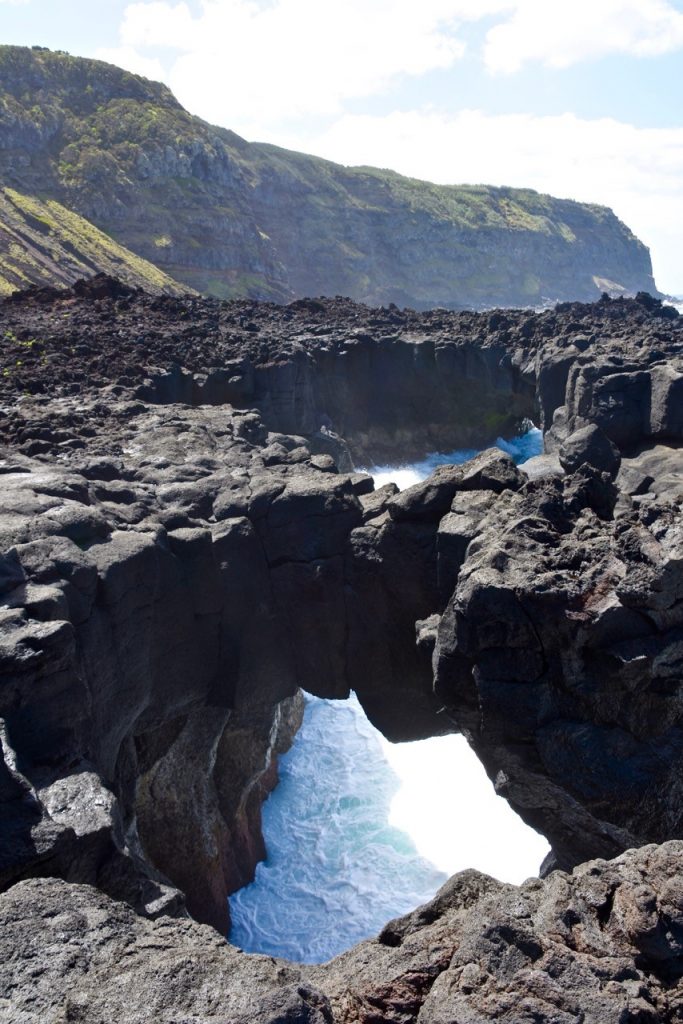
There are also Picenes Naturales formed from lava hitting the cold ocean and creating little enclaves that are safe for swimming. Natural pools like Simao Dias and Varadouro are stunning in their own right. It’s recommended to bring water shoes so you can enjoy the rockier shores along the coast.

[Photo Credit: Annie via Shared Adventures]

unique rock formations and reflective pools on the Azores Islands in Portugal

8. Bring a dark-colored swimsuit for the hot springs

Like neighboring Iceland, the Azores are full of delightfully warm and rejuvenating thermal hot springs. São Miguel is the best island for hot springs — particularly around the town of Furnas. It’s a perfect activity to do on those foggy or chilly days since the waters are always warm and welcoming. The springs range in size and style. From the largest and most famous Terra Nostra, which has an entrance fee, changing rooms, showers, and other amenities. To the smaller Ferraria which offers changing rooms and a unique natural experience. It’s one of the only thermal springs connected directly to the ocean! (Make sure to go at low tide for the warmest water)

The thermal pools are full of iron and have a reddish color that can stain swimsuits and towels. So it’s highly recommended to bring dark-colored suits or even a spare old suit specifically to enjoy the hot springs.


Are you ready to go to the Azores? Let us know and we’ll help you plan the perfect adventure!

A Cruise around Italy & Greece

Katie & Marcello wanted to do something special for their anniversary – something not only memorable but that covered multiple incredible destinations. We knew the perfect way for them to maximize their time (and experiences) in the Mediterranean was to take a cruise. And they had a blast! Here is their trip report and top tips from each port:


The Ship

Getting to and on the boat [The NCL Dawn] was very easy! We arrived about 1.5 hours early and they checked us in early and we were one of the first on! The club balcony suite was very spacious with a great bathroom but the ship overall is slightly dated. The best meals we had on the ship were La Cucina, Cagneys steakhouse, teppanyaki and Moderno (probably in that order). We loved the cruise experience, especially the staff. We’ve been on many Royal Caribbean cruises and in comparison we think the food and drinks are much better on Norwegian but the entertainment is better with Royal. 

Cruising Crete

As for the ports. In Crete we did not make plans and did the hop on hop off when we got there which was the best choice. We hopped off at Knossos which is where all of the cruise excursion buses were and we did not pay nearly as much as they did. Knossos was amazing to see and read about. Then we walked a few minutes to a restaurant Pasiphae which was just far enough away from tourists to feel local and had a delicious and authentic Greek lunch! We bought a combo ticket at Knossos so hopped back on the bus to the architectural museum and were able to skip that line and see amazing artifacts that were often hard to wrap our heads around. A great stop! Then back on the bus to the boat.

Tip: Caution here that the late hop-on bus seemed to be around 430 pm so watch for times. 

Santorini & Mykonos

We tendered for Santorini and also did not have formal plans. When we arrived the line for the cable car up the cliff was extremely long but well worth the wait. Walking up the steps should not even be considered an option and we did not support the donkey option.

Once at the top, it’s pretty hard to navigate with tiny streets at different levels but we found a spot called Rastoni and it was one of the best meals of the trip. We did some walking and shopping and I had previously booked a sunset table online at one of the bars which was the right move because it gets very busy at sunset. It was Pk Cocktails which had a gorgeous view but meh drinks.

[Photo Credit: Andrea via Shared Adventures – read about their Greece & London adventure here!]

View of Santorini Greece on the cliff

Then back to the ship but the line for the cable car was over 3 hours so we had no choice but to walk.

Tip: Walking down the stairs was not bad at all however it is very steep, slippery, and covered in donkey poop. Well gripped shoes are a must and I can’t imagine how slippery it must be in the rain. 

Next was Mykonos where it was very easy to walk into town do some shopping and grab a bite to eat. Nothing overly recommended for us but everything we saw was great

Stop in Athens

I had booked a tour of Athens through Viator (Athens city highlights half day private tour) for only $200 and we had a private guide pick us up at the port and bring us to the Acropolis, Olympic stadium, changing of the guard and he even stopped and got us baklava. It was well worth the money for his stories and insights into the city. It was nice not feeling like one of 100 people on a large tour.

Tip: Highly recommend a tour for Athens. There also isn’t much to do directly near the port so some kind of transportation is necessary 

Final Greek Stop: Corfu

greek olives

I did something similar in Corfu through Viator (taste of Corfu private tour) for $270 which also had a private driver and we stopped at a very local olive oil and wine producer where we were the only ones there and had a private full tasting of everything they made. We went to a beautiful garden monastery and then to a beach where we took an almost private boat ride through caves and watched the sunset. This was many people’s least favorite port because without a plan there isn’t much to do but we had an amazing day.

[Photo Credit: Eberhard Grossgasteiger via Unsplash]

Tip: The boat ride through the caves was the most memorable and difficult to get to without a guide like we had. A tour like this is most recommended for Corfu.

Cruise to Naples

In Naples, I chose a food tour through Viator (the 10 tastings of Naples with locals) which was a private tour that I might not recommend. The guide was lovely and we ate some great food but we walked much more than expected and I wasn’t sure we received all the stops we were supposed to. We saw a lot of the city which was nice but I’m not sure I would do it again. Naples is all about food and it’s such a big city that some type of navigator is preferred but maybe not this one. The city is very close to the port so transportation is not needed.

Florence & Pisa

Florence/Pisa was our only ship shore excursion and it was amazing. It was a very large group (almost 100) but it was okay for what we were doing. We chose Pisa and taste of Tuscany for $250pp. The price was steep for what you got but it was a fun day.

They took us to Pisa to explore the monuments and shop and the guide was really great. Then to a Tuscan winery to see the vineyards, try all the wines (unlimited tasting) and a classic Italian lunch of pasta and antipasti. It was very fun, delicious and expensive as we ended up buying a lot of wine and shipping it home.

Unfortunately our day in Cannes was cancelled because the wind was too strong for us to tender. I had had a Viator tour booked but was refunded because of this. 

Overall I was very impressed with Viator in their prices and communication. Everyone messaged me many times about meeting times and locations and the guides always made sure we were back to the ship with lots of time to spare. I felt safe and confident in the tours we chose. 

Final Stop of the Cruise: Barcelona

Finally Barcelona. Hotel Colon was absolutely beautiful and such a perfect choice! It was right by the cathedral and had a rooftop bar. We took a taxi to the hotel which was very easy (about 30 euro) and left our bags. Then, found a cafe and toured the beautiful cathedral. We learned that Sagrada Familia is actually not a cathedral and is much more modern than the cathedral we toured (and slightly overrated to the locals).

Then we went on a food tour booked through Viator (Barcelona tapas and wine experience) which was by far my favorite tour. An amazing value, not much walking, and a lovely guide. We went through the food and fish market, had wine and tapas in a wine cellar, tried four restaurants, and learned a lot about the city.

I had done some researched and booked Arcano for dinner and I cannot overemphasize how good this meal was. I would go back here a thousand times! And our guide recommended a flamenco show at Palaus Demases. There are many flamenco shows but this one was in a very old building, truly authentic and very small. We paid for vip seats which is a must to see how much work their feet are doing. It was such an authentic experience and so much fun! 

I hope these tips can help others on their trips! We had an amazing vacation and can’t thank you enough!

Katie Lessa

You provided excellent guidance for us. I appreciated that you really had us think about what was most important to us when we were selecting the right cruise – and not to totally focus on what other people had to say. THANK YOU for helping to make this a memorable trip for our family! It really was a trip of a lifetime!

Clare and Mark (family cruise to Alaska)

The level of service we experienced was out of this world (and we did NOT make it easy on Ann). We weren’t quite sure where we wanted to go, when we would be able to go, or what “vibe” we were going for. After asking us some key questions (what we liked, didn’t like, why, etc.) Ann helped us narrow down our trip details and planned the honeymoon of our dreams. She helped book some of our excursions, answered some emergency questions while abroad and was always available/willing to help. I think it’s safe to say we won’t be using anyone else for future travel planning – Ann is a rockstar!

Carli (Italy and Spain)