

Montenegro offers an authentic, unspoiled experience, which can be harder and harder to find in Europe these days. Whether you are seeking the adrenaline of canyoning, the serenity of a monastery, or the simple joy of a cliffside sunset, this small country offers a wealth of experiences without the overwhelming crowds. Here’s what you need to know if you’re considering this amazing country for your next adventure:
The Basics
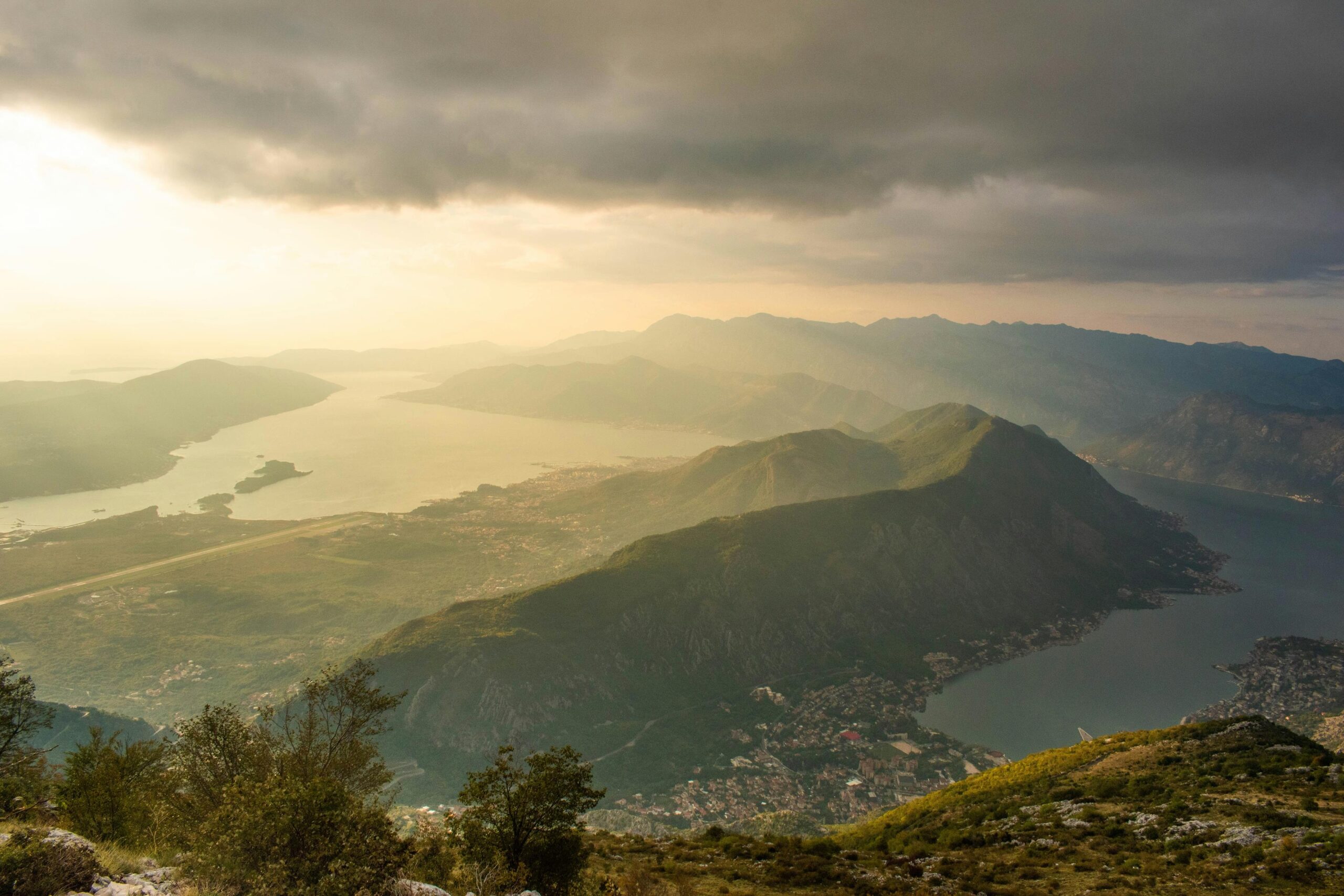
Montenegro is the smallest of the six nations that once formed Yugoslavia. Located just below Serbia and Croatia in the Balkans, this country boasts rugged mountains and stunning coastlines.
Montenegro is not part of the EU, so you will need to go through a traditional border control. Despite this, the official currency is the Euro.
Montenegrin is the official language, but they use both Cyrillic and Latin alphabets. In many of the main cities and towns, English is widely spoken.
The country is divided into three distinct zones – the coast, the central mountains, and the wild north. It’s most commonly combined with a visit to Croatia, and you can fly in and out of Dubrovnik, for a better assortment of flight options.
Charming Coastal Towns & Pristine Waters
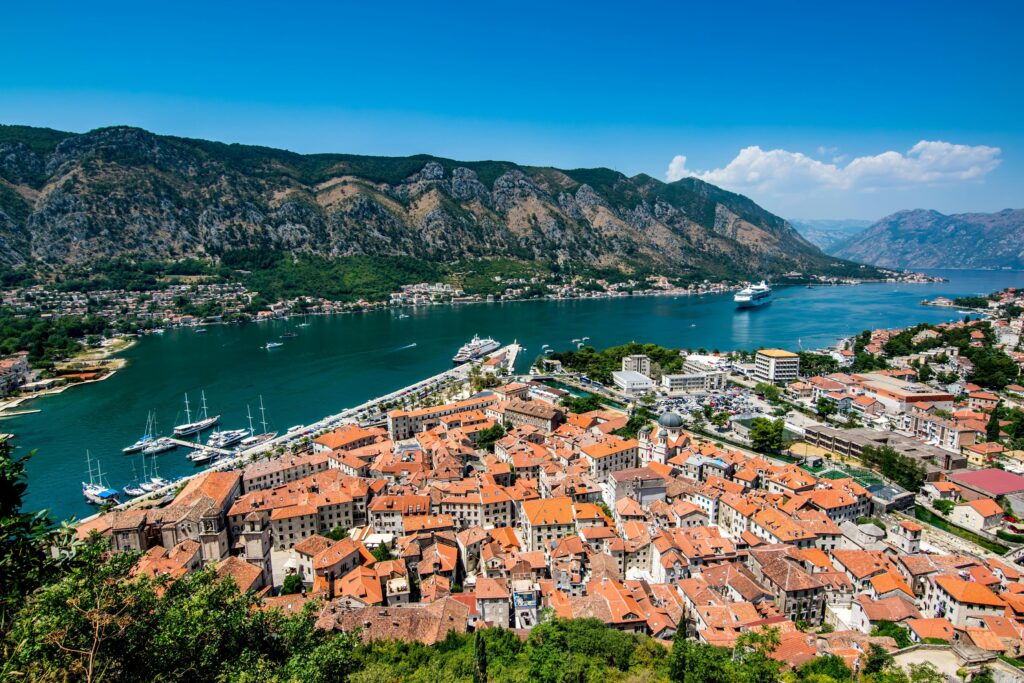
The Adriatic coast is home to historic towns, stunning blue waters, sun-kissed beaches, and quaint cobblestone city centers.
Kotor, a UNESCO site with 2,000 years of history, blends medieval architecture with a beautiful bay and beach-town tranquility. The labyrinth of winding cobblestone streets brings to mind Venice and Nice. Narrow passages open up to small squares with tables of restaurants and cafes in the bright sunshine. This is certainly the most popular city along the coast for good reason!
[Photo Credit: Faruk Kaymak via Unsplash]
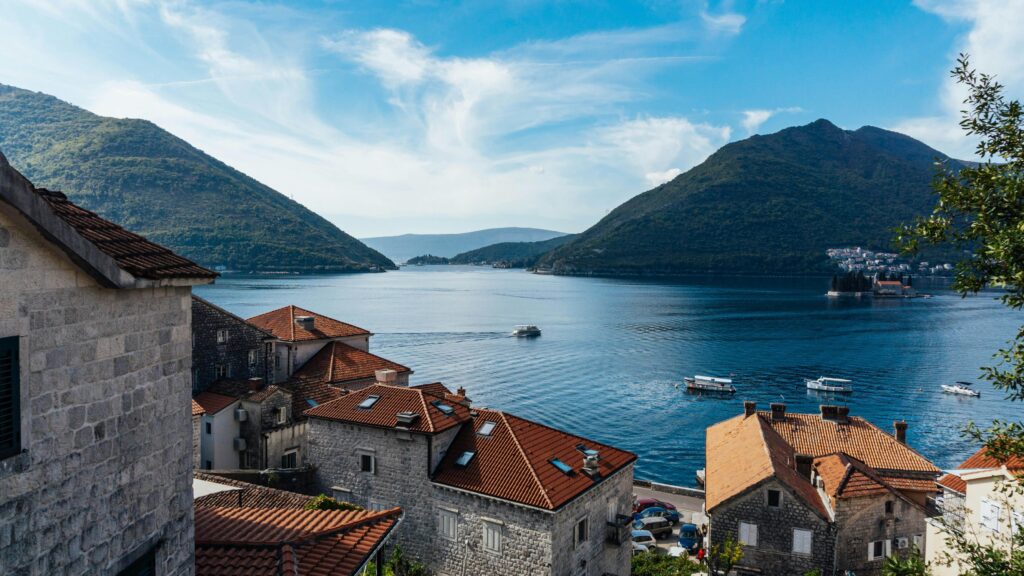
Further south, Ulcinj boasts rare long sandy beaches and a stunning, stone-walled old town, while the sleepy village of Perast offers a serene, charming vibe with its seaside promenade. The bay of Perast, although a sea, brings to mind the dramatic mountains and lake-like beauty of Lake Como. Budva, with its 2,500-year history and lively nightlife, provides a mix of family-friendly coves and vibrant evening scenes.
Dramatic Nature & A Green Retreat
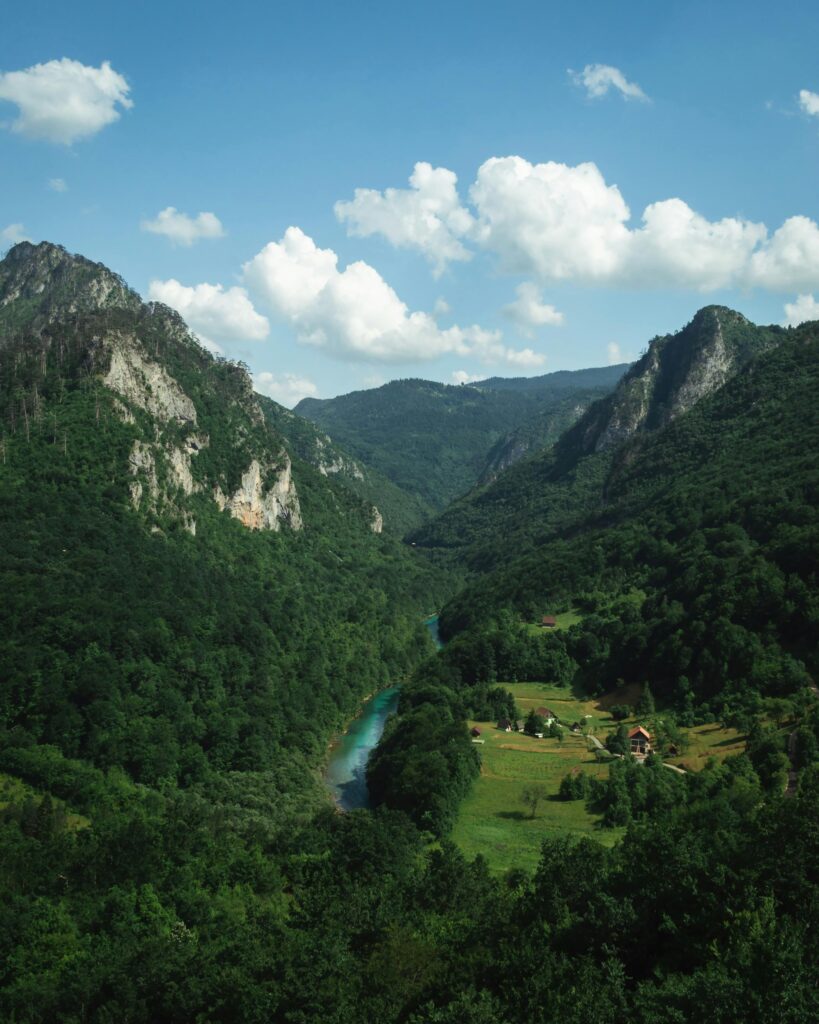
Venturing inland, the central mountains around Lake Skadar and Cetinje offer a quieter, greener retreat.
With five national parks, the mountainous regions of the country are perfect for those looking to enjoy nature and bathe in the beauty of the forests. Each National Park features a criss-cross of hiking trails for all levels, panoramic views, and diverse wildlife.
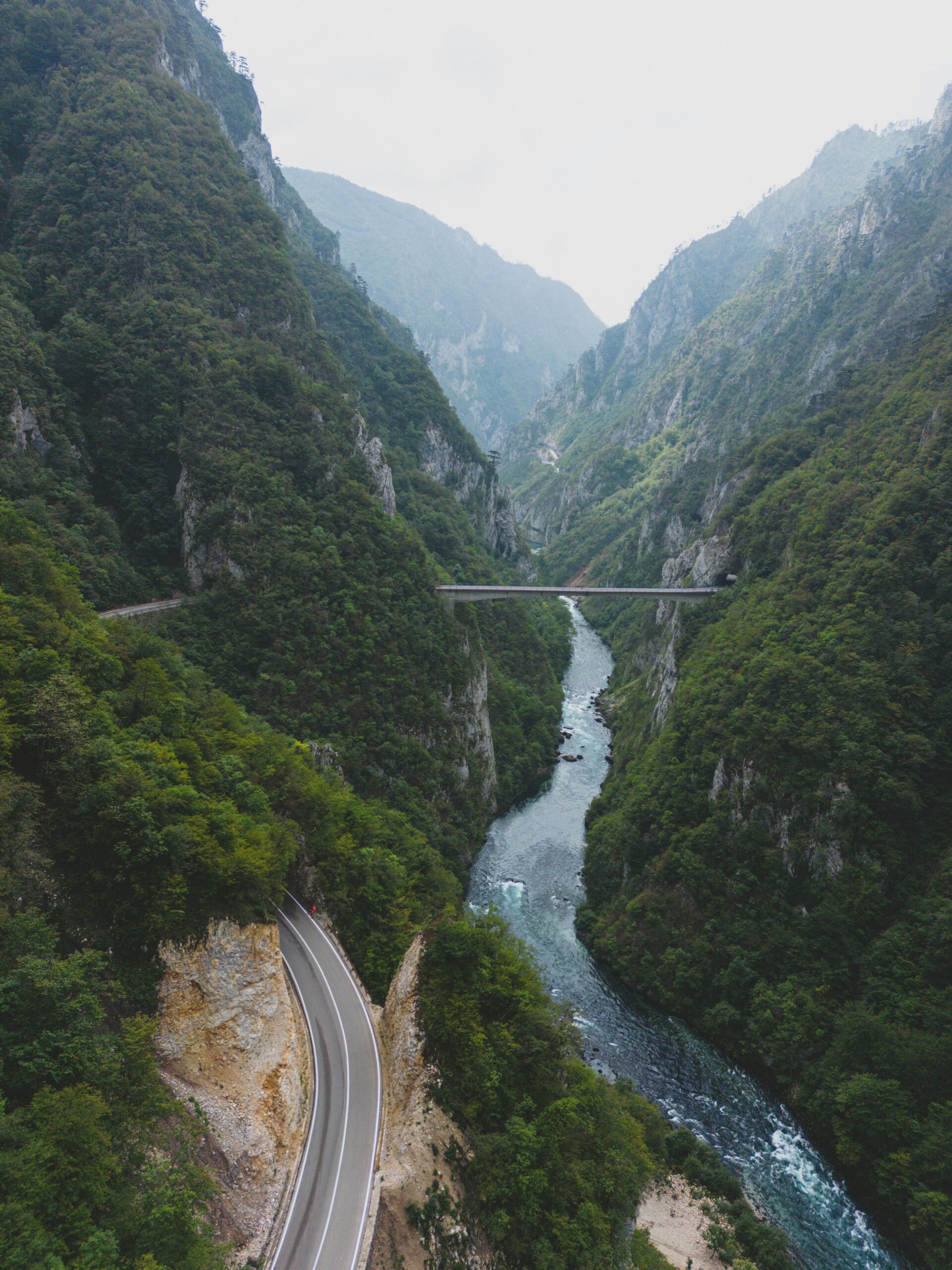
The “Wild North,” encompassing Durmitor National Park, is a realm of glacial lakes, pine forests, and craggy peaks. Here, you can find the dramatic Tara River Canyon and Piva Canyon, perfect for canyoning, rafting, and hiking. It is a place where you can truly get away from it all.
[Photo Credit: Gleb Lucky via Unsplash]
Getting Around
A rental car is the best way to explore Montenegro. The roads are generally in good condition, though often narrow and winding, carved through dramatic landscapes. Be prepared for drives that take longer than expected, but know that the scenic rewards are immense.
If you are completely adverse to a rental car, there are a few train and bus options like the 11-hour train ride from Belgrade to Bar. You can take just sections of this inspiring train journey and we particularly reccomend the section from Podgorica to Bar for the best scenery.
[Photo Credit: Laurynas Zizys via Unsplash]
History, Culture & Food
Montenegrin culture is centered around gostoprimstvo or hospitality. They are generally very warm and generous towards visitors. Montenegrins have a relaxed attitude towards life, with a view to resting first and doing later. Similar to a coastal Spanish or Southern Italian relaxed culture. When the landscapes around you are so incredibly beautiful, how can you not stop to enjoy them first?
Because Montenegro has always battled for its independence against much larger armies, the national identity is built on pride and resistance. You’ll find plenty of history, art, and relics to visit throughout the country, and particularly in the central city of Cetinje.
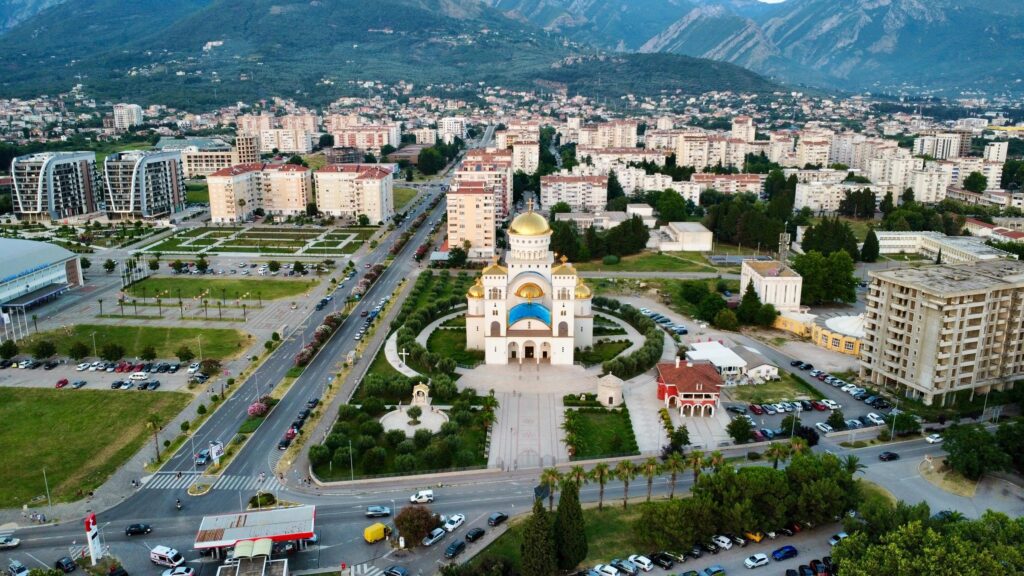
The country has large populations of both Eastern Orthodox Christians and Muslims, so you’ll find both stunning temples and historic mosques. Both are open to non-religious visitors as long as they are respectful and dress modestly. You’ll also find that during major religious holidays of both faiths, stores and restaurants may close in observance.
[Photo Credit: Benjamin Nilsen via Unsplash]
Despite their constant battle for independence, Montenegro was ruled by several powers over its long history. The most prominent of these were the Venetians and the Ottomans. So you’re sure to see Italian and Turkish influences, especially in the cuisine.
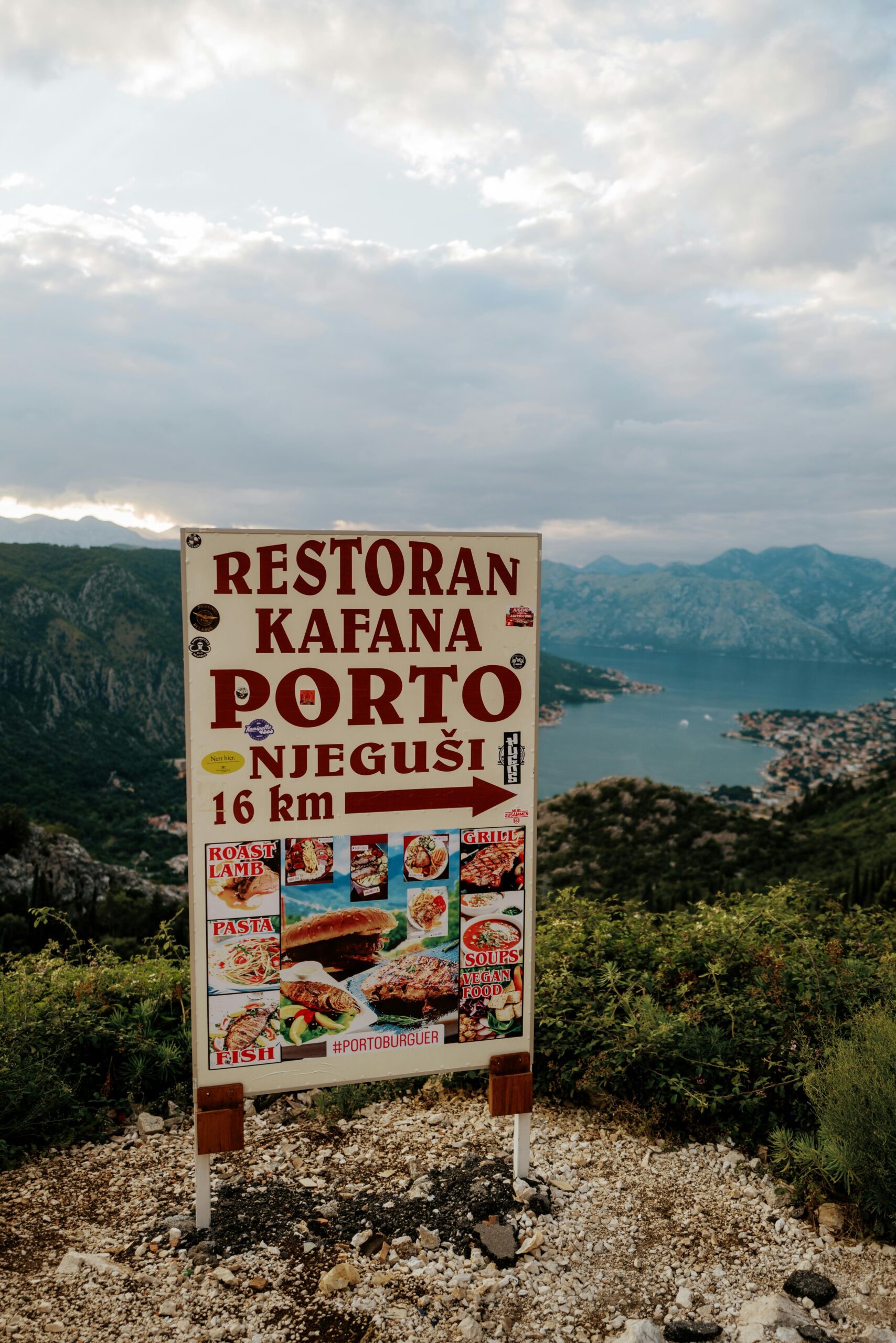
The food is hearty, rustic, and generous, built around grilled meats, sausages, and savory pastries. Mediterranean vegetables and seafood are also main features, particularly near the coast. The star of the show is the local red wine, particularly from the Crmnica wine region, and homemade rakija (Balkan brandy). You will find traditional konobas serving these dishes in charming settings, from the coastal towns to the mountain villages.
[Photo Credit: Eirik Skarstein via Unsplash]
When To Visit
While July and August offer peak beach weather (86-95°F) and lively nightlife, they also bring larger crowds and higher prices.
The shoulder seasons of May, June, and September are arguably the best overall. May and June offer lush greenery, wildflowers, and comfortable temperatures (68-78°F), while September provides warm days (78-83°F) with dramatically thinner crowds, making it ideal for hiking.
[Photo Credit: Anastasiia Malai via Unsplash]
Are you ready to enjoy an adventure in Montenegro? Let us know and we will help you plan the perfect trip away from the crowds immersed in the beauty of this small country.