

What if your next adventure felt less like touring and more like experiencing? We always advocate slower travel for a clients, but sometimes they’re not sure exactly what that might look like. Or why it will dramatically improve their travel experience to Europe. Here’s why we think you should consider slow travel for your next European adventure:
What Does Slow Travel Mean?
The idea of “slow travel” is tossed around a lot these days, but what does it actually mean? At its most basic, slow travel involves staying in a single destination for a longer period of time. Instead of trying to see all the best sites of a country in one trip, we try to slow down and focus on experiencing, engaging, and living in only one or two cities.
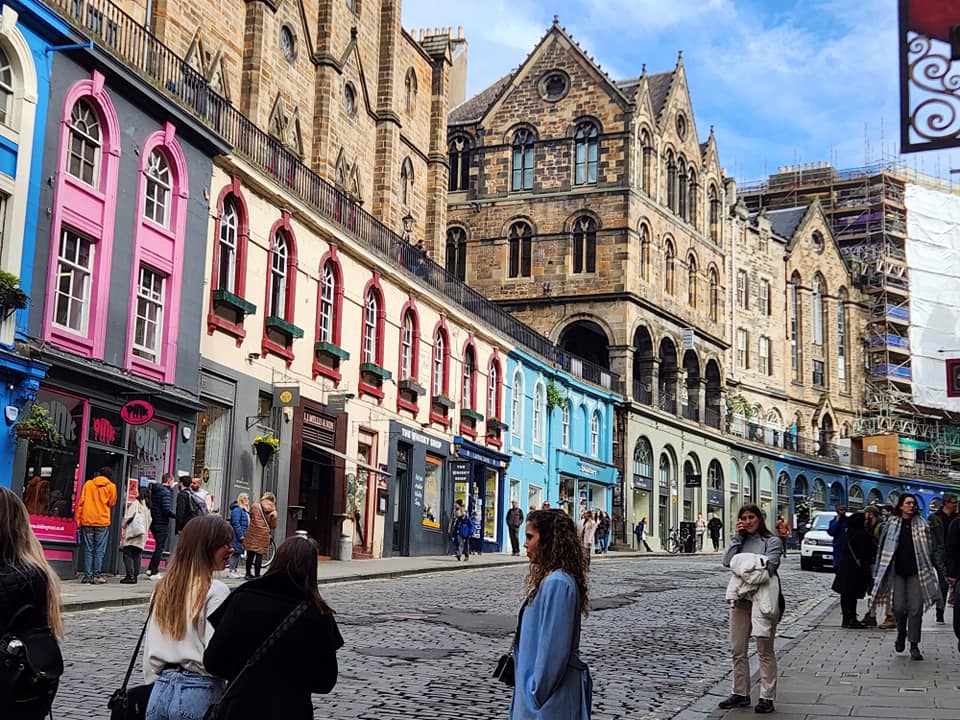
What that enables is seeing the little-known parts of a city or town alongside the big “must-see” sites. Slow travel means allowing yourself time to absorb your surroundings in a relaxed way, rather than having a packed schedule that focuses only on the highlights. You can “live like a local”, and dig deeper into a city or a region.
[Photo Credit: Bob & Stacey via Shared Adventures — read about their adventure to Edinburgh & London here! ]
Why Slow Travel is Liberating, Not Limiting
When first confronted with the idea of slow travel, people often see it as a limiting factor on their ability to maximize what a destination has to offer. But the exact opposite is true.
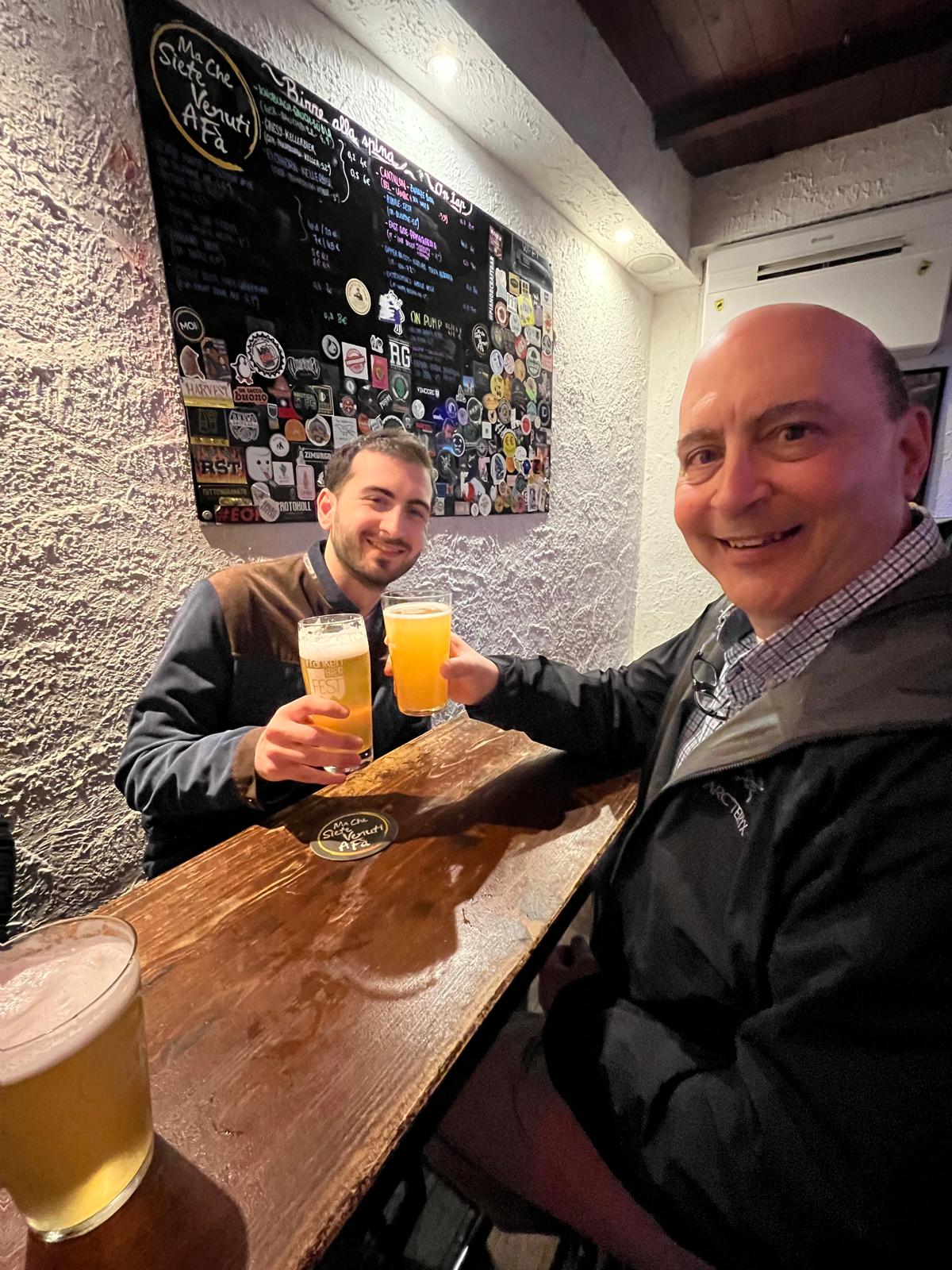
When your schedule is freer, and when you have time to visit places on a whim, explore little shops, and have time to actually go to the places your tour guide suggested on your first day, you are liberated to explore. You’ll never feel like you’re missing out on something.
[Photo Credit: Liz via Shared Adventures — read about her young nephew’s visit to Italy here!]

Slow Travel Creates Authentic Experiences
We’re always asked about “authentic experiences” — getting to see real hidden gems and not just tourist traps that you can see on Instagram for free. Traveling slowly and really lingering in a place allows you to observe and participate in the community. You get a better understanding and have more time to explore neighborhoods at a leisurely pace. You can take time to find the authenticity that defines the true soul of Europe.

Some of the most amazing places we’ve found in our travels have been found incidentally. On a whim, or on the advice of one of our guides, we decided to visit a little-known site or shop that turned out to be incredible.
[Photo Credit: Ann via Shared Adventures — read about her week in Rome here! ]
Better Memories, Less Stress
Slow travel is about savoring a place. It is going to the same café each morning to get breakfast, enjoying a coffee as you people-watch in the piazza, and noticing the incredible artisan shop down a side street in a local neighborhood.
[Photo Credit: Nicole & Paul via Shared Adventures — read about their anniversary trip to Paris here! ]
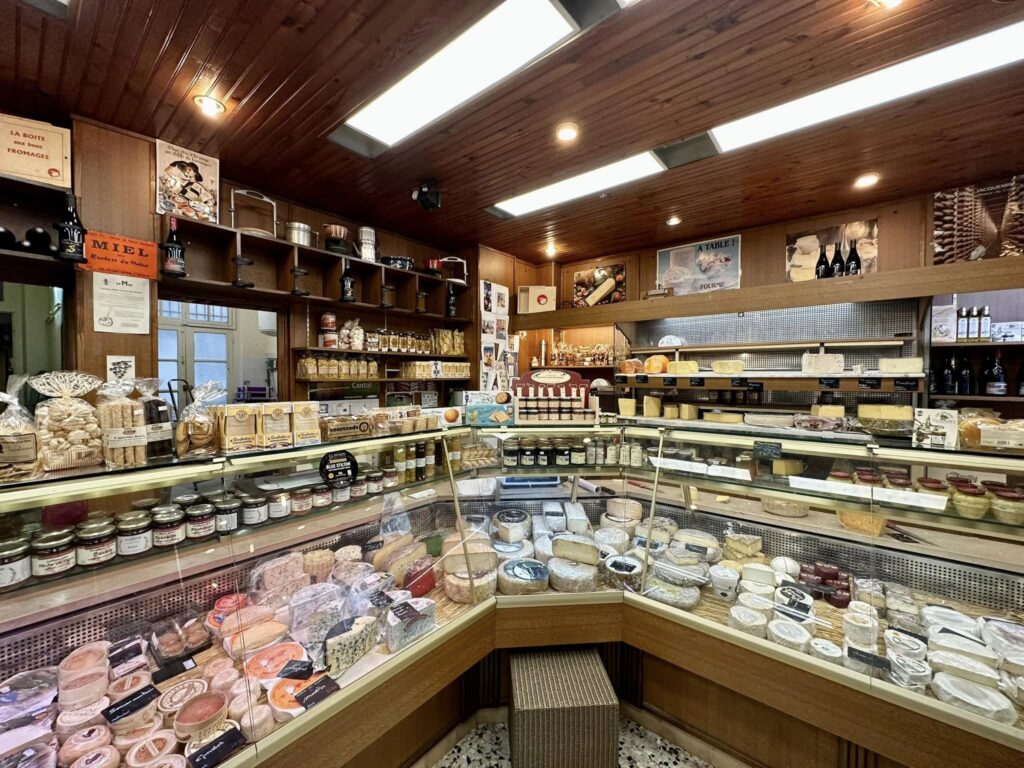
Because we have time to breathe, we have time to laugh and enjoy the random moments of getting lost or misunderstanding the local language without the stress of time or schedule.
Slow Travel is More Affordable
Slow travel is also inherently more economical. By choosing a longer stay in one location, you can often get better rates on accommodations (with special “linger longer” or “stay 4 / pay 3” promotional rates.) You avoid the hidden costs of constant transit, while also saving on the “convenience tax” of last-minute dining and shopping.
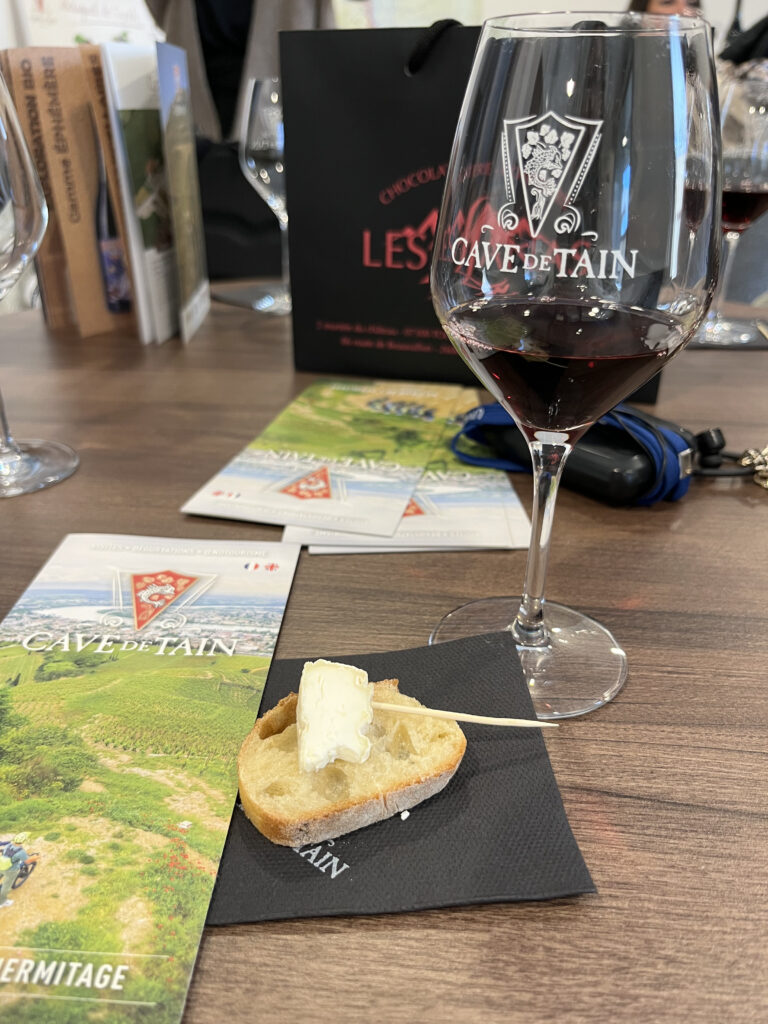
Travelling more slowly allows you to allocate your budget toward higher-quality experiences. You can spend a little more on a private cooking class or a wine tasting, rather than simply covering the logistical expenses of moving from place to place.
[Photo Credit: Ann via Shared Adventures — read about her meandering river cruise on the Rhone here! ]
Slowing down and taking time to understand the places you are visiting not only enriches your adventure, but it is relaxing, fantastic for your mental health, and easier on your wallet. Discover your next European escape with a curated slow-travel itinerary designed for depth, not just distance. Let us know when you’re ready to begin your journey.