
Client Review: Summer Vibes in Rome and Sorrento

We were so excited to plan another trip for long-time clients Alicia & Jay, along with Alicia’s parents. They’ve traveled to Italy before, but this time they were focused on a summer adventure in Rome and the Amalfi Coast. A pretty straightforward trip, but we love making it special with amazing guides and local experts to add something unique.


Thanks again for all of your help planning our amazing Italy trip! We had an incredible time.

Rome

Hotel La Rovere in Rome was a great choice. We found the rooms to be clean and spacious, and mine and Jay’s room even had a cute courtyard attached where we had a pre-dinner bottle of wine one night.
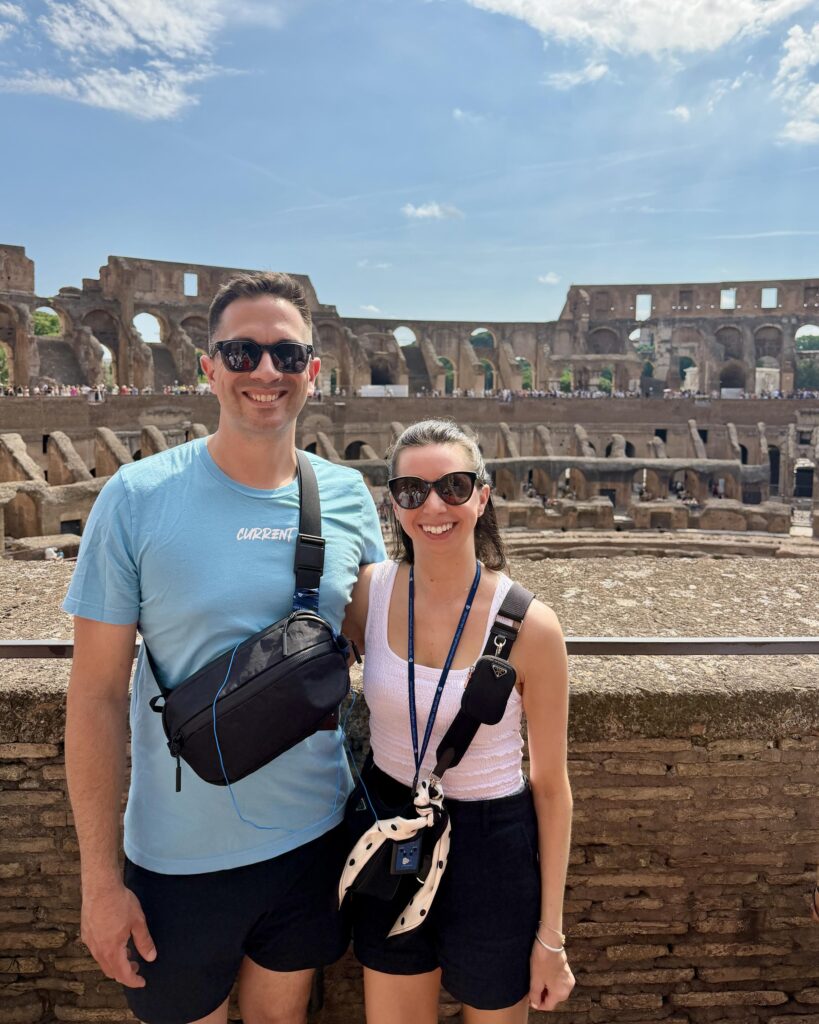
The golf cart tour was a highlight – this was a great idea to help us beat the jet lag and get oriented within the city. Our guide Constantine was awesome! He was so knowledgeable and very attentive and accommodating. It was SO hot in Rome, so being whisked around in a breezy golf cart was a real treat. Mom and dad had a great time at the Vatican tour. Jay and I also loved the Colosseum tour, although in hindsight because of the heat we wouldn’t have minded if it was a little shorter.

The Trastevere food tour was another highlight. Our guides Michele and Miguel were great, and the food was incredible. We lucked out and had a great group of people – three of them also live in the same town as me and Jay – what are the chances?! The only problem is that I don’t think I will ever find gelato better than the place they took us!

Sorrento & Amalfi Coast

On our way to Sorrento, we stopped at a vineyard suggested by our driver Fabrizio. This lunch ended up being one of our favorite meals and we shipped a case of wine home, so needless to say the wine was amazing.

Fabrizio is the best! He made our time on the coast so easy and gave us so many great suggestions for how to get around and do what we wanted to do.
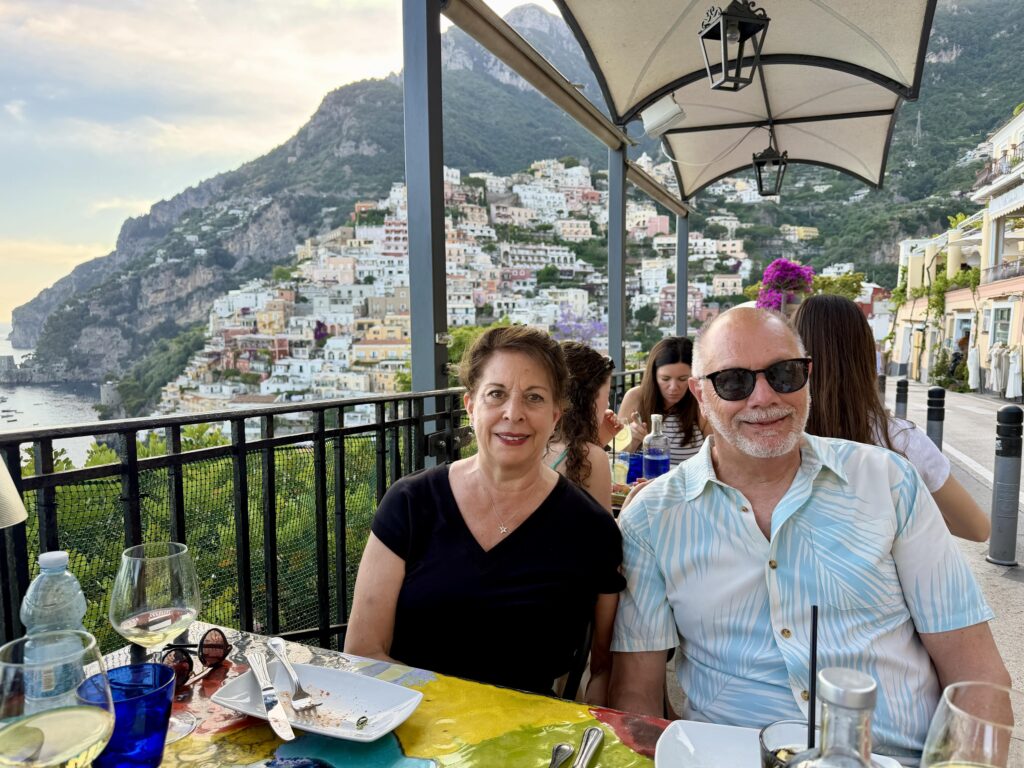
Sorrento was amazing and is now one of my favorite places. I am so glad that you based us here. Grand Hotel De La Ville is beautiful! Mom wished she had gone for the full ocean view room, but we found the rooms to be spacious, clean, and all of the tiling detail so beautiful. We spent a lot of time at the beautiful rooftop pool. We especially loved the proximity to the main part of town.
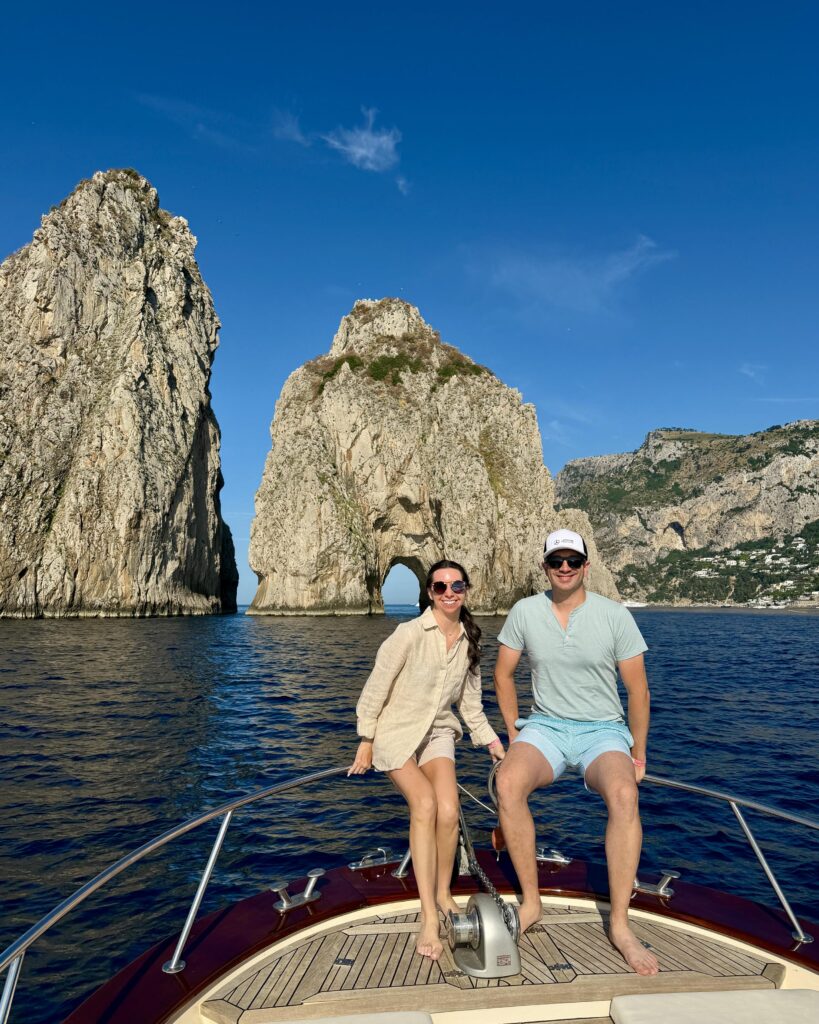
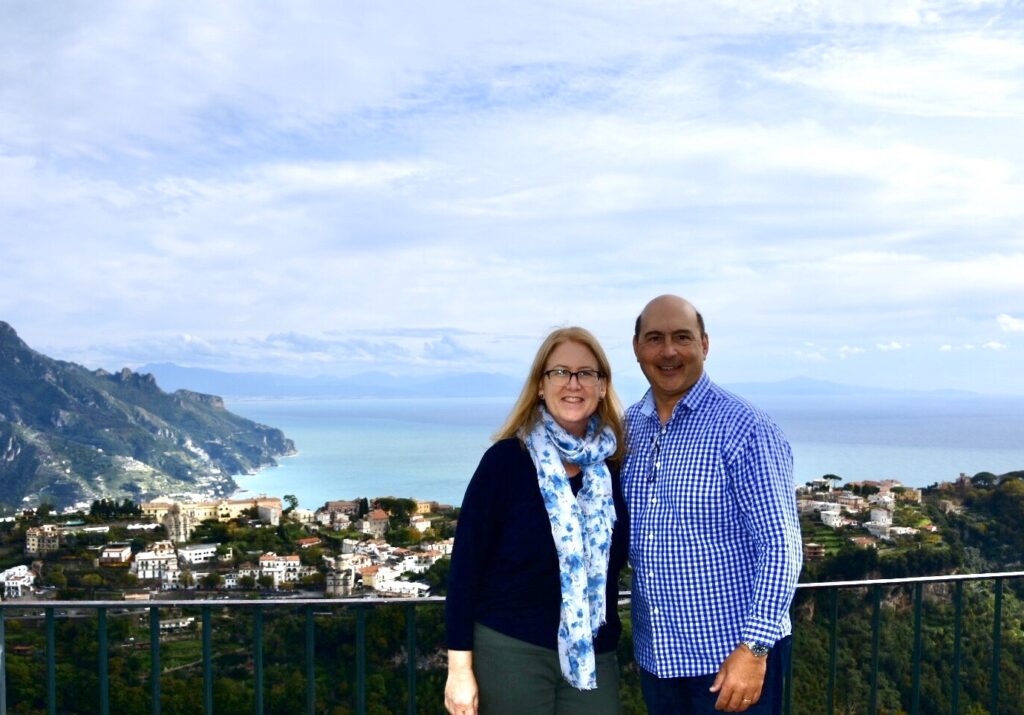
Strolling around Sorrento and the small cobblestone streets was the best. Our visits to Positano, Amalfi, and Ravello were a breeze thanks to Fabrizio. We went back a second day to Positano and spent the day at La Scogliera beach club, which was amazing! Our boat trip to Capri was also a highlight. The boat was so much fun, and we loved Capri.

Can’t wait for the next trip!

– Alicia
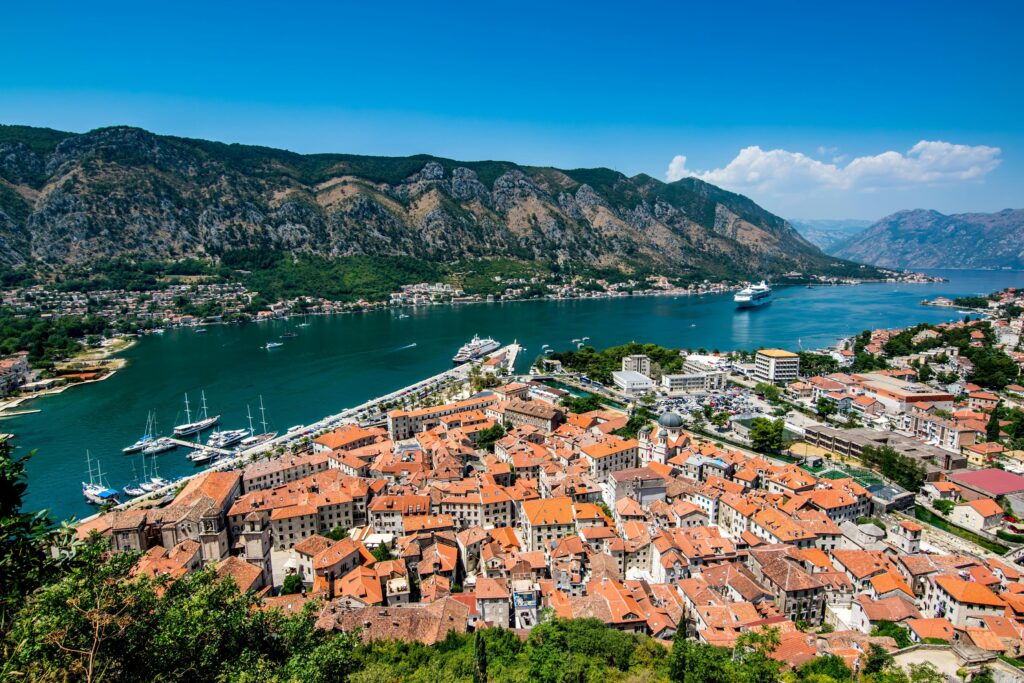
Looking for a hidden gem? Check out our introductory travel guide to Montenegro

Montenegro offers an authentic, unspoiled experience, which can be harder and harder to find in Europe these days. Whether you are seeking the adrenaline of canyoning, the serenity of a monastery, or the simple joy of a cliffside sunset, this small country offers a wealth of experiences without the overwhelming crowds. Here’s what you need to know if you’re considering this amazing country for your next adventure:


The Basics

Montenegro is the smallest of the six nations that once formed Yugoslavia. Located just below Serbia and Croatia in the Balkans, this country boasts rugged mountains and stunning coastlines.

Montenegro is not part of the EU, so you will need to go through a traditional border control. Despite this, the official currency is the Euro.

Montenegrin is the official language, but they use both Cyrillic and Latin alphabets. In many of the main cities and towns, English is widely spoken.

The country is divided into three distinct zones – the coast, the central mountains, and the wild north. It’s most commonly combined with a visit to Croatia, and you can fly in and out of Dubrovnik, for a better assortment of flight options.

Charming Coastal Towns & Pristine Waters

The Adriatic coast is home to historic towns, stunning blue waters, sun-kissed beaches, and quaint cobblestone city centers.

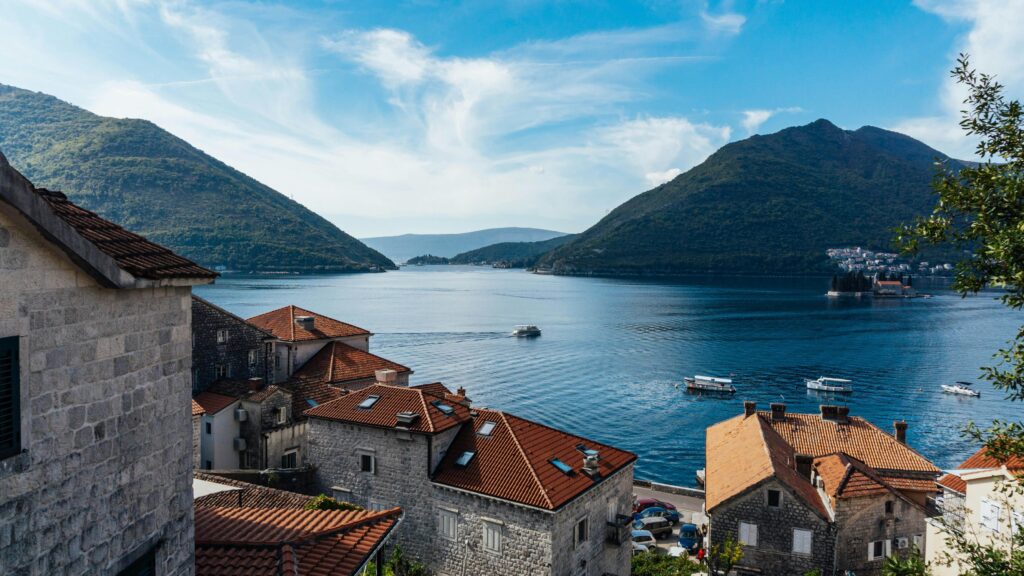
 Kotor, a UNESCO site with 2,000 years of history, blends medieval architecture with a beautiful bay and beach-town tranquility. The labyrinth of winding cobblestone streets brings to mind Venice and Nice. Narrow passages open up to small squares with tables of restaurants and cafes in the bright sunshine. This is certainly the most popular city along the coast for good reason!

[Photo Credit: Faruk Kaymak via Unsplash]

Further south, Ulcinj boasts rare long sandy beaches and a stunning, stone-walled old town, while the sleepy village of Perast offers a serene, charming vibe with its seaside promenade. The bay of Perast, although a sea, brings to mind the dramatic mountains and lake-like beauty of Lake Como. Budva, with its 2,500-year history and lively nightlife, provides a mix of family-friendly coves and vibrant evening scenes.

Dramatic Nature & A Green Retreat

Venturing inland, the central mountains around Lake Skadar and Cetinje offer a quieter, greener retreat.

With five national parks, the mountainous regions of the country are perfect for those looking to enjoy nature and bathe in the beauty of the forests.  Each National Park features a criss-cross of hiking trails for all levels, panoramic views, and diverse wildlife.

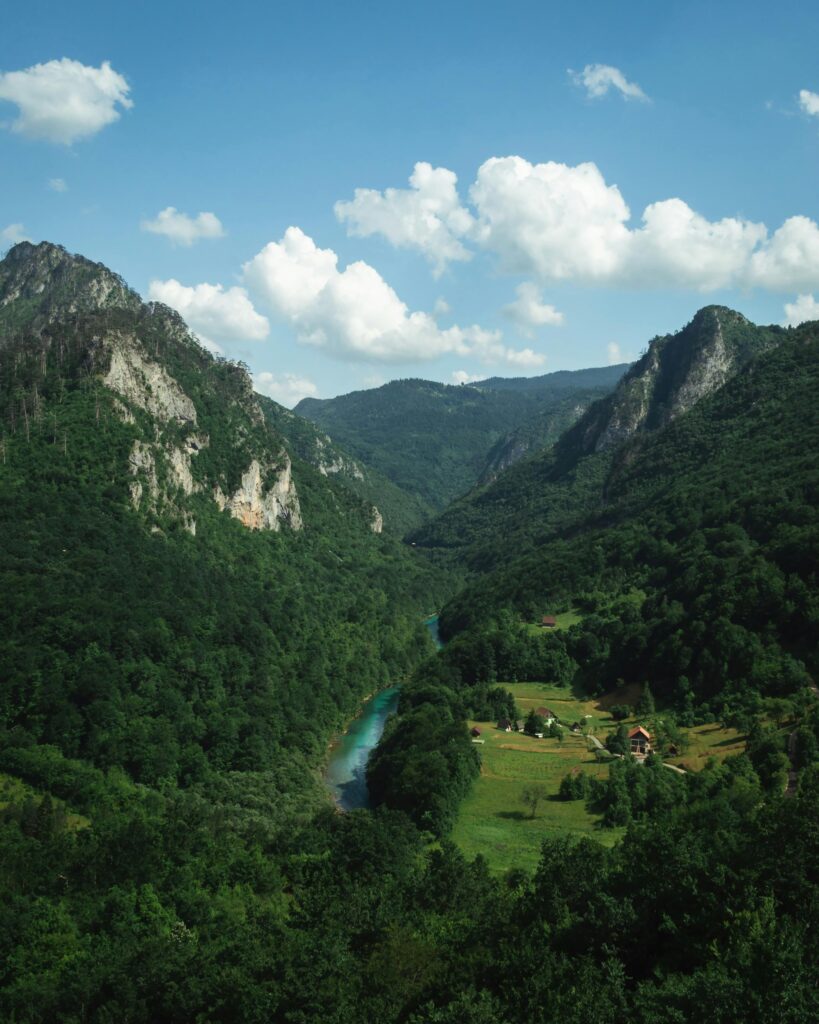
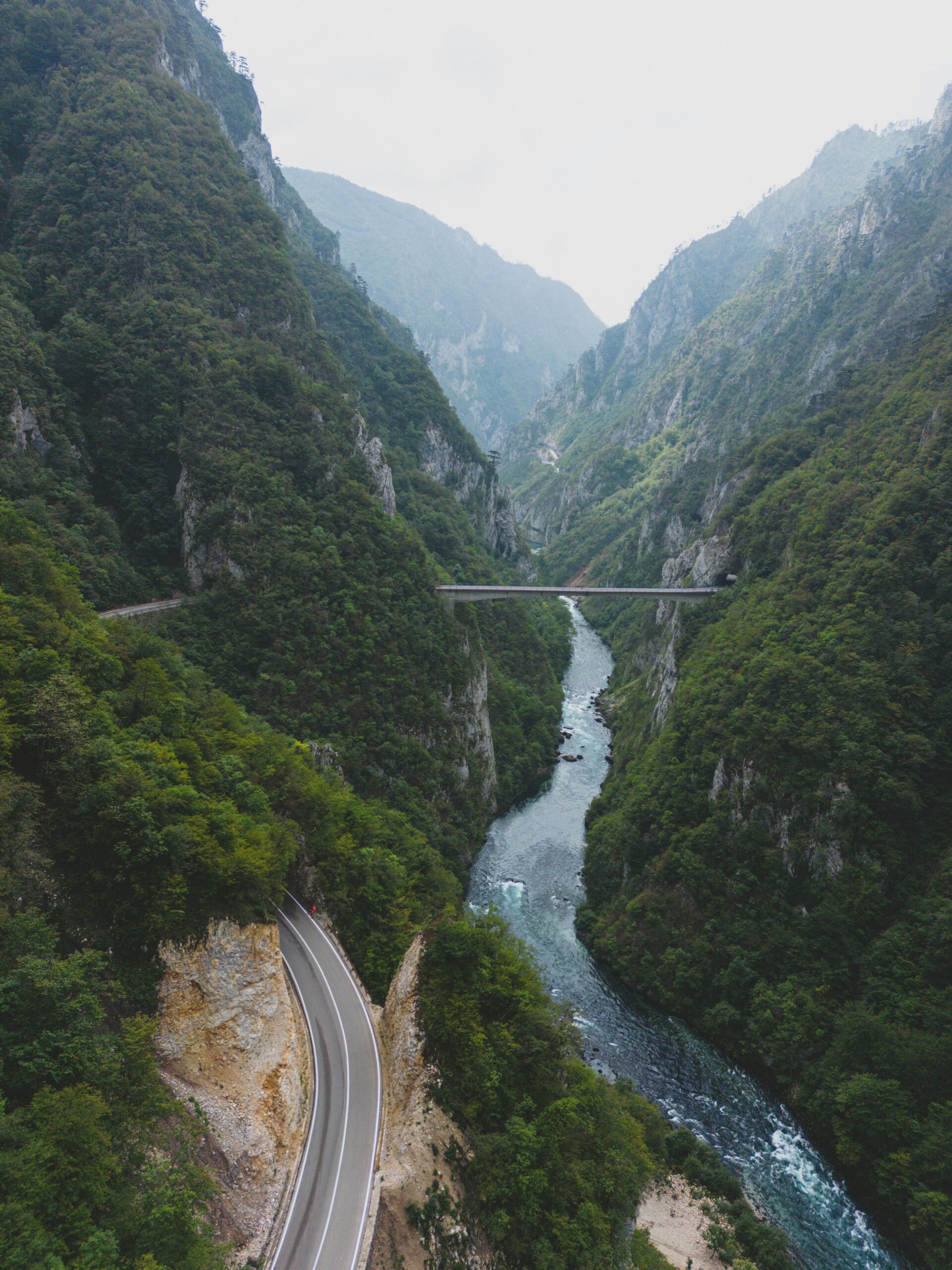
The “Wild North,” encompassing Durmitor National Park, is a realm of glacial lakes, pine forests, and craggy peaks. Here, you can find the dramatic Tara River Canyon and Piva Canyon, perfect for canyoning, rafting, and hiking. It is a place where you can truly get away from it all.

[Photo Credit: Gleb Lucky via Unsplash]

Getting Around

A rental car is the best way to explore Montenegro. The roads are generally in good condition, though often narrow and winding, carved through dramatic landscapes. Be prepared for drives that take longer than expected, but know that the scenic rewards are immense.

If you are completely adverse to a rental car, there are a few train and bus options like the 11-hour train ride from Belgrade to Bar. You can take just sections of this inspiring train journey and we particularly reccomend the section from Podgorica to Bar for the best scenery.

[Photo Credit: Laurynas Zizys via Unsplash]

History, Culture & Food

Montenegrin culture is centered around gostoprimstvo or hospitality. They are generally very warm and generous towards visitors. Montenegrins have a relaxed attitude towards life, with a view to resting first and doing later. Similar to a coastal Spanish or Southern Italian relaxed culture. When the landscapes around you are so incredibly beautiful, how can you not stop to enjoy them first?

Because Montenegro has always battled for its independence against much larger armies, the national identity is built on pride and resistance. You’ll find plenty of history, art, and relics to visit throughout the country, and particularly in the central city of Cetinje.

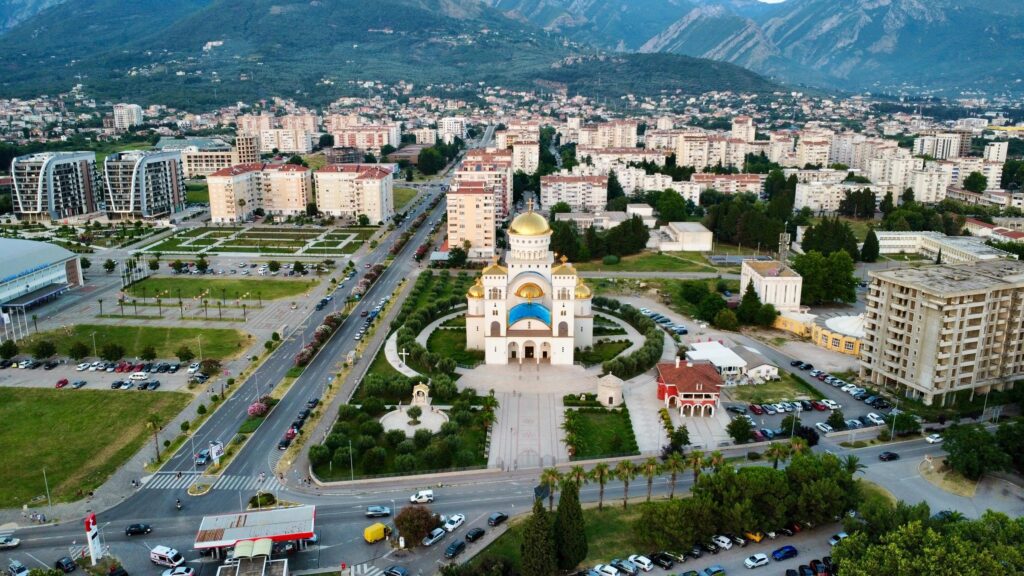
The country has large populations of both Eastern Orthodox Christians and Muslims, so you’ll find both stunning temples and historic mosques. Both are open to non-religious visitors as long as they are respectful and dress modestly. You’ll also find that during major religious holidays of both faiths, stores and restaurants may close in observance.

[Photo Credit: Benjamin Nilsen via Unsplash]

Despite their constant battle for independence, Montenegro was ruled by several powers over its long history. The most prominent of these were the Venetians and the Ottomans. So you’re sure to see Italian and Turkish influences, especially in the cuisine.

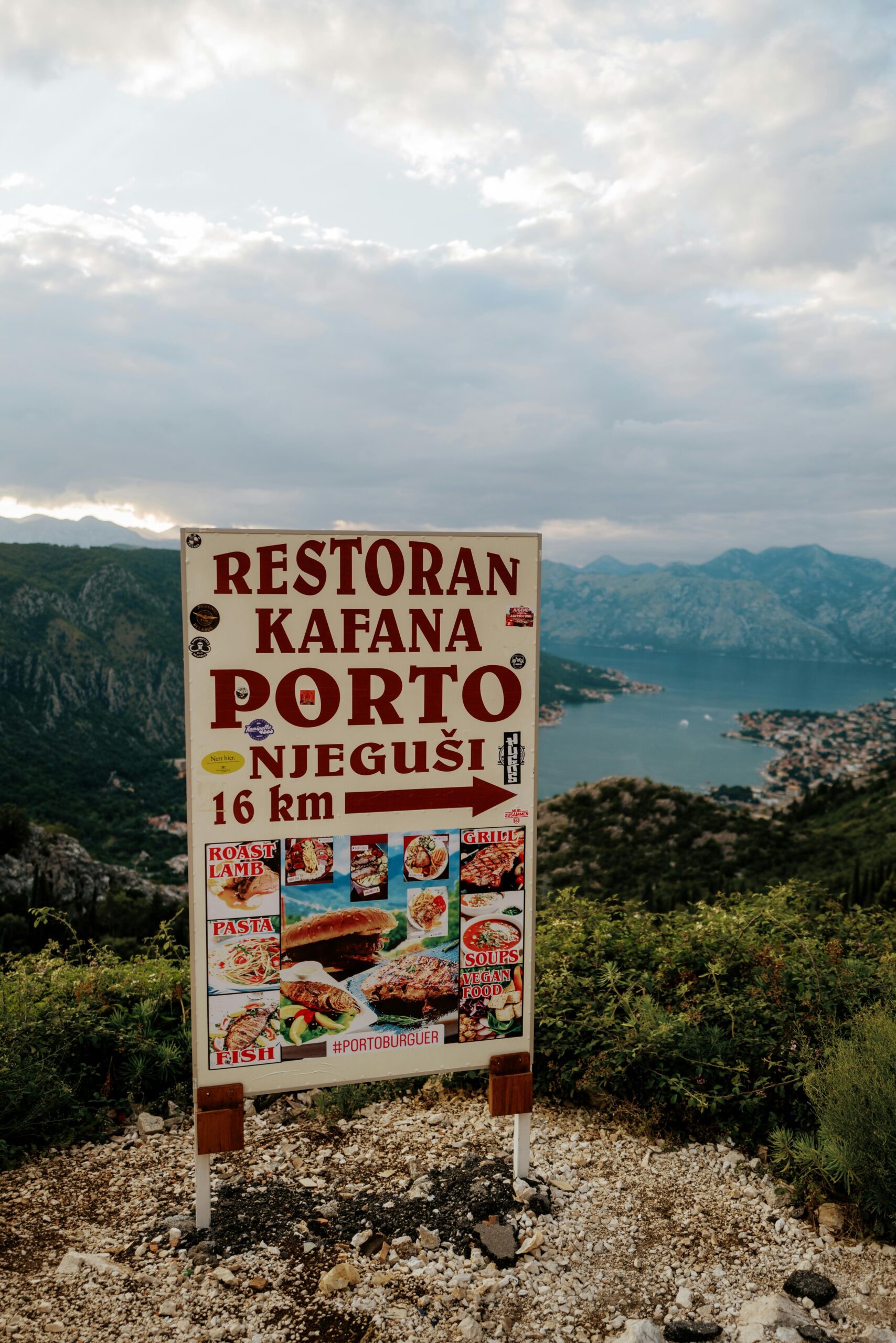
The food is hearty, rustic, and generous, built around grilled meats, sausages, and savory pastries. Mediterranean vegetables and seafood are also main features, particularly near the coast.  The star of the show is the local red wine, particularly from the Crmnica wine region, and homemade rakija (Balkan brandy). You will find traditional konobas serving these dishes in charming settings, from the coastal towns to the mountain villages.

[Photo Credit: Eirik Skarstein via Unsplash]

When To Visit

While July and August offer peak beach weather (86-95°F) and lively nightlife, they also bring larger crowds and higher prices.

The shoulder seasons of May, June, and September are arguably the best overall. May and June offer lush greenery, wildflowers, and comfortable temperatures (68-78°F), while September provides warm days (78-83°F) with dramatically thinner crowds, making it ideal for hiking.

[Photo Credit: Anastasiia Malai via Unsplash]


Are you ready to enjoy an adventure in Montenegro? Let us know and we will help you plan the perfect trip away from the crowds immersed in the beauty of this small country.

How to Travel More Meaningfully

Travel can be so much more than sightseeing, selfies, and souvenirs. It’s an opportunity to step outside your world and into someone else’s. To unlock the deeper layers of travel, we need to move past just “blending in” and toward being genuinely respectful and culturally engaged.

If you’ve ever worried about standing out as “the tourist” or getting it wrong in a new culture, you’re not alone. But the truth is, you don’t have to speak the language fluently or wear the perfect outfit to connect. What matters most is your attitude — respect, openness, and a willingness to learn.  Here are our top tips on how to travel not just thoughtfully, but meaningfully.

Set Your Expectations

Take time to look up a few phrases in the local language, understand the more important local customs, and local taboos. Before embarking on your adventure, understanding what you can expect from a culture will go a long way in respecting it in real time.

At the heart of cultural etiquette is one simple truth: your way isn’t the only way. You may not understand why something matters to someone else, but that doesn’t mean it’s unimportant. Respect often means stepping aside and letting others show you what matters to them. And in doing so, you expand your world.

[Photo Credit: Jean Papillon via Unsplash]

Start with simple things: greetings, expressions of gratitude, and basic dining customs. A few key phrases in the local language—hello, thank you, excuse me—can open doors (and hearts). People appreciate when you try, even if your accent is off or your sentence is clumsy. It shows effort and respect.

Also, be aware of what not to do. Every culture has its taboos, and what seems harmless at home might carry a very different meaning elsewhere. For example, in some cultures, the “ok” sign (making a circle with your thumb and index finger) or touching someone’s head can be deeply disrespectful. In others, dining customs like eating with your left hand or refusing a second helping can send the wrong message.

This awareness doesn’t restrict your experience—it enriches it. Observing customs, even the ones you don’t fully understand, shows appreciation for the heritage you’re engaging with. It signals that you’re not just passing through, but participating—however briefly—in the culture itself.

[Photo Credit: Ann via Shared Adventures ]

Engage With The Locals

We always advise buying local and spending your money with local businesses when you travel, to give back to the community that is hosting you. To travel more deeply, go one step beyond that and engage with the locals. Talk to your tour guides, ask questions of the museum docents, and go to a local event.

a selfie of a local resort worker and a honeymoon couple with drinks in front of the pool in Tahiti

This can be as simple as striking up a conversation with a street vendor or your resort staff, joining a local cooking class, or shopping at a neighborhood market. Show genuine interest in the people you meet. Ask about their lives. Support local businesses, not because it’s trendy, but because it’s an opportunity to connect and give back.

[Photo Credit: Heather & Jesse via Shared Adventures — read about their honeymoon in Tahiti here!]

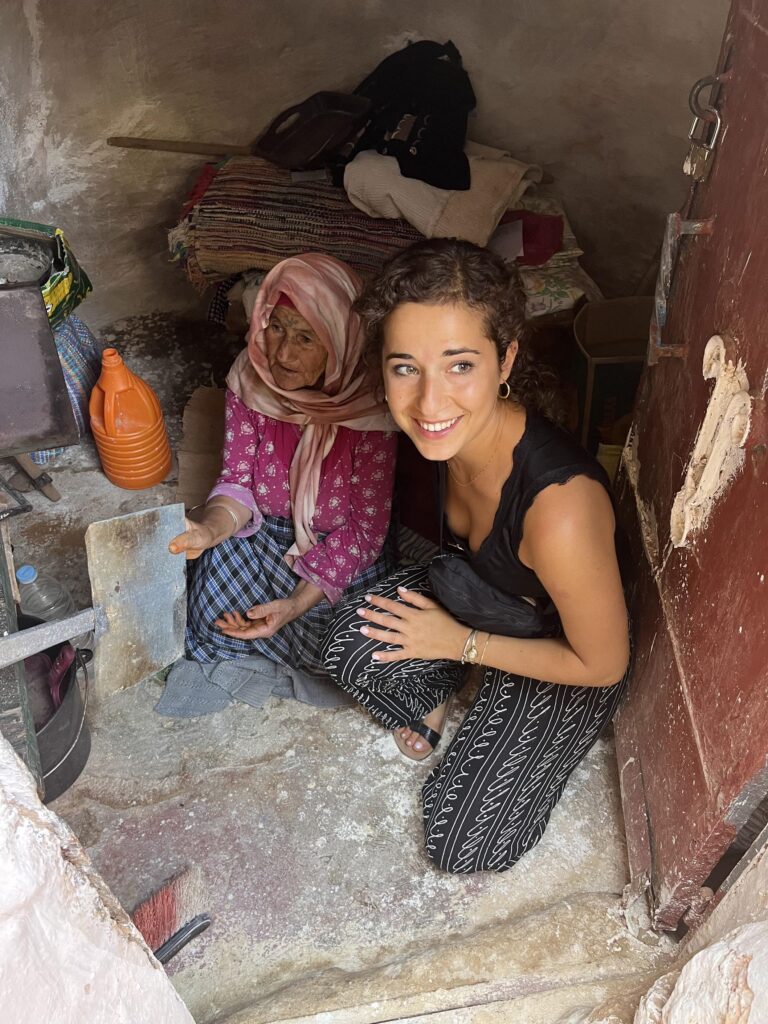
Even small interactions can turn into meaningful memories when you approach with curiosity. Compliment a home-cooked meal. Listen to a story. We try to book our clients on small, local tours so they have the best opportunity to connect with the local community. These authentic moments are the ones that stay with you.

[Photo Credit: Alyssa via Shared Adventures — read about her Morocco Adventure here!]

Traveller Alyssa learns the traditional bread making techniques from her guide's grandmother in Morocco

 Don’t Try Too Hard to Blend In

There’s a lot of travel advice out there urging us to “blend in.” But the goal isn’t to pretend you’re not a visitor; the goal is to be a respectful visitor. And there’s a big difference.

Ann & Everette dressed up in the amalfi coast italy

For example, many European countries value taking pride in their appearance and stylish dress. Make an effort to wear your best jeans instead of the ones that don’t quite fit, or a comfy-chic pair of pants instead of the “athleisure wear” that is more suited for a workout.

[Photo Credit: Ann via Shared Adventures]

It’s also okay to acknowledge your outsider status. In many countries, it’s clear you’re not a local the moment you step off the plane. Trying to hide that is not only exhausting—it’s unnecessary. People are often generous with those who are curious, humble, and willing to learn. You don’t need to be invisible to be respectful. What matters more is your mindset and your behavior.

Respect Culturally Significant Traditions

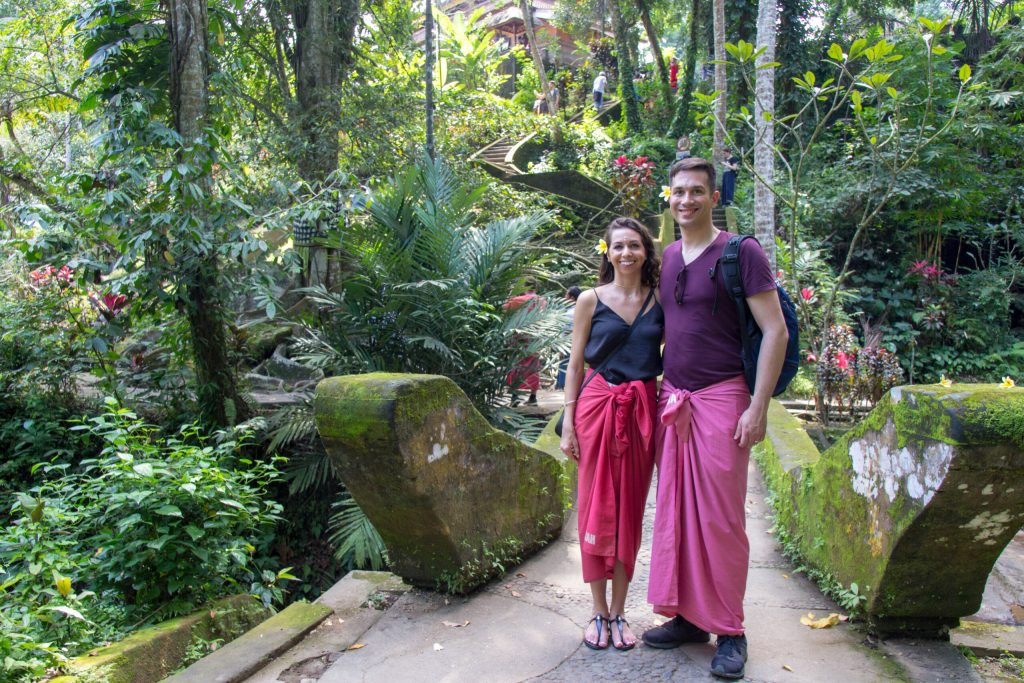
Wearing local dress when it’s respectful to do so—especially in religious sites or conservative areas—can show consideration. But it’s never about playing dress-up or mimicking a culture for the sake of looking like a “savvy traveler.” Cultural attire often carries deep meaning and significance. If you wear something traditional, understand its purpose, learn its story, and buy it from a local artisan who can share that story with you.

couple at a temple in Bali

Of course, when visiting sacred sites, respect is not optional—it’s essential. These universal guidelines will help you navigate these spaces with dignity: dress modestly, cover your shoulders or legs if asked, remove your shoes when required, and speak softly. You’re not just entering a building—you’re stepping into someone’s spiritual world.

[Photo Credit: Alicia & Jay via Shared Adventures — read about their honeymoon to Bali here]

Have a Curious Mindset

Ultimately, the point of traveling is not to perfect the art of passing unnoticed but to build bridges. Real, human connections. It’s not about checking boxes or performing politeness—it’s about appreciation. And that’s something you can’t fake.

So don’t worry about being the perfect traveler. If you care enough to read about cultural etiquette, chances are you’re already ahead. You’re someone who wants to get it right—and that intention matters. If you enter new experiences with genuine joy and pleasure, that will shine through and allow locals to feel proud of what they are offering.

[ Photo Credit: Ann via Shared Adventures]


Just remember: be open, stay humble, and let curiosity lead the way. Show up not just with your camera, but with your heart, your ears, and your gratitude. If you’re ready to start planning a culturally engaging adventure with small tours, local experiences, and new cultures — get in touch!

5 Reasons You Should Visit Europe in Winter

Generally, when people consider a winter vacation, they are either heading to the mountains to ski or to the tropics to enjoy the beach away from the cold weather. But what about everything in between? In ways that are almost too magical to explain, European destinations can come alive in the winter. Here are our top 5 reasons why Europe is one of our favorite places to visit in the winter:


Fewer Crowds & Better Prices – Perfect for Typically Busy Cities

Winter is an ideal time to visit major cities that are usually teeming with tourists all trying to see the same famous sites. In winter, these cities become more authentic, with more of a local atmosphere – everything feels a bit calmer.

While the cities certainly won’t be empty, visiting in winter means you get to enjoy shorter lines to see the most well-known sites. Suppose you’ve always wanted to see the Louvre or climb the Eiffel Tower with ease. Or maybe you dream of seeing St. Mark’s Basilica in Venice or experiencing the incredible La Sagrada Familia without waiting in the impossibly long lines of summer. Winter is the perfect opportunity.

Because it is the low season in most of these cities, you’ll also spend less. If you’re concerned about the budget, this is a great way to save and still see everything on your bucket list. Not only are hotels cheaper, but flights to Europe are usually less expensive too.

Where to Go:

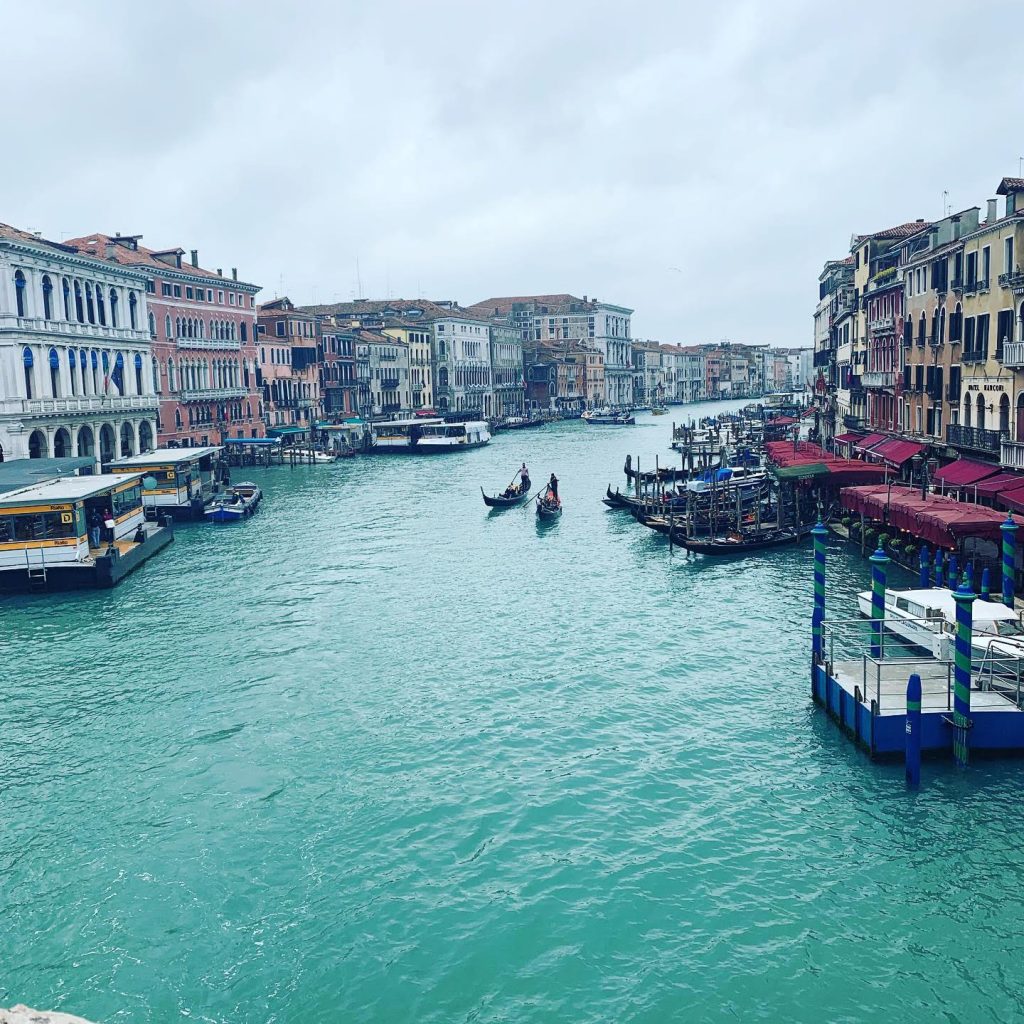
view of the grand canale in venice from the Rialto bridge

Paris – for wine bars, cozy vibes, and cafes with heat lamps and furry blankets. Enjoy the window and light displays, spend more time in the museums, and linger over the pastries in the bakeries. Plus, in January and February, you can take advantage of the winter sales at all the best shops.

Venice – Easier to navigate and easier to enjoy without shuffling along the narrow streets with the crowds. You’ll see the city in a new light with a mysterious and romantic atmosphere brought by the faint fog and overcast skies. Here you can revel in the local vibe.

Barcelona- Known for being a vibrant summer destination, in winter things slow down a little, and you’re able to walk Las Ramblas without feeling overwhelmed. Enjoy the shopping, the architecture, and hiking in the parks.

[Photo Credit: Shannon & Lou via Shared Adventures- read about their winter honeymoon in Northern Italy here!]

Cooler Weather – Perfect for Typically Hot Destinations

Looking for a bit of relief from the heat? If you’re someone who runs hot, then visit the southern European countries in winter. It is the best way to enjoy them without melting into the pavement. With mild climates and beautiful weather, you won’t have to worry about a lack of air conditioning or blistering sun.

Where to Go:

Greece – the islands may close down in the winter, but the rest of the mainland enjoys a mild Mediterranean climate. Allowing you to enjoy all the ancient history and mouth-watering markets at your leisure.

The streets of Pompeii in Italy

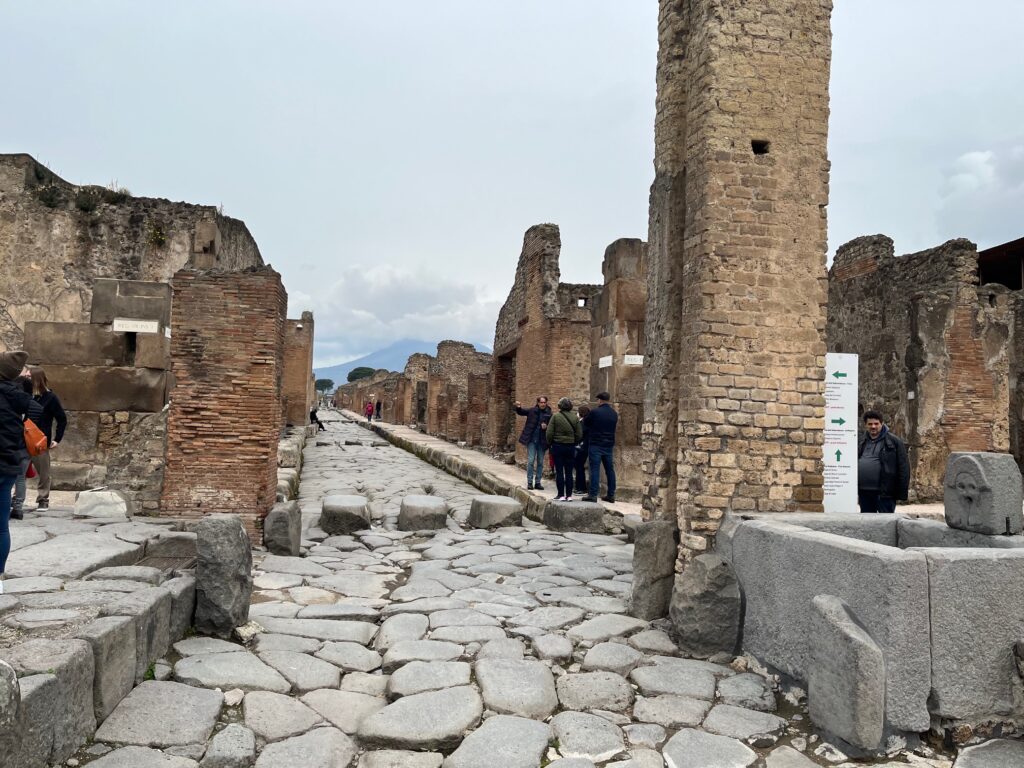
Southern Italy – Winter is the perfect time to visit places like Pompeii, Rome, and Sicily. Marvel at the fabulous outdoor sites without the sun beating down on you. You’ll find it easier to walk around and enjoy the cities on foot without showing up to your dinner reservation hot, sweaty, and tired.

Istanbul, Turkey– Visit the Hagia Sophia with ease, and enjoy a steamy hammam if you get a little chilly. Revel in the unique blend of history and culture that Istanbul has to offer. Stunning architecture and warm drinks are waiting to be explored in winter.

Malta– An island with a Mediterranean climate, a rich history, intriguing architecture, and a vibrant culture. The winter temps hover around 50 – 60 degrees, so it’s perfect weather for hiking and exploring.

[Photo Credit: Ann via Shared Adventures]

Coziness – Perfect for Coffee Shops, Bookstores, and Wine Tasting

If you’re ready to embrace the biting cold of the north, then you’re also ready to experience the Danish ‘hygge’ – or the concept of coziness itself. All over the Nordic countries, and in neighboring northern Europe, you can revel in the coziness of warm interiors, delicious hot chocolate, and hearty foods. Indoor spaces in these regions feel like a warm hug. There’s nothing nicer than coming out of the cold into a warm pub, bar, or local café to enjoy a local mulled wine by the fire. These destinations will let you slow down and relax into the winter warmth.

Where to Go:

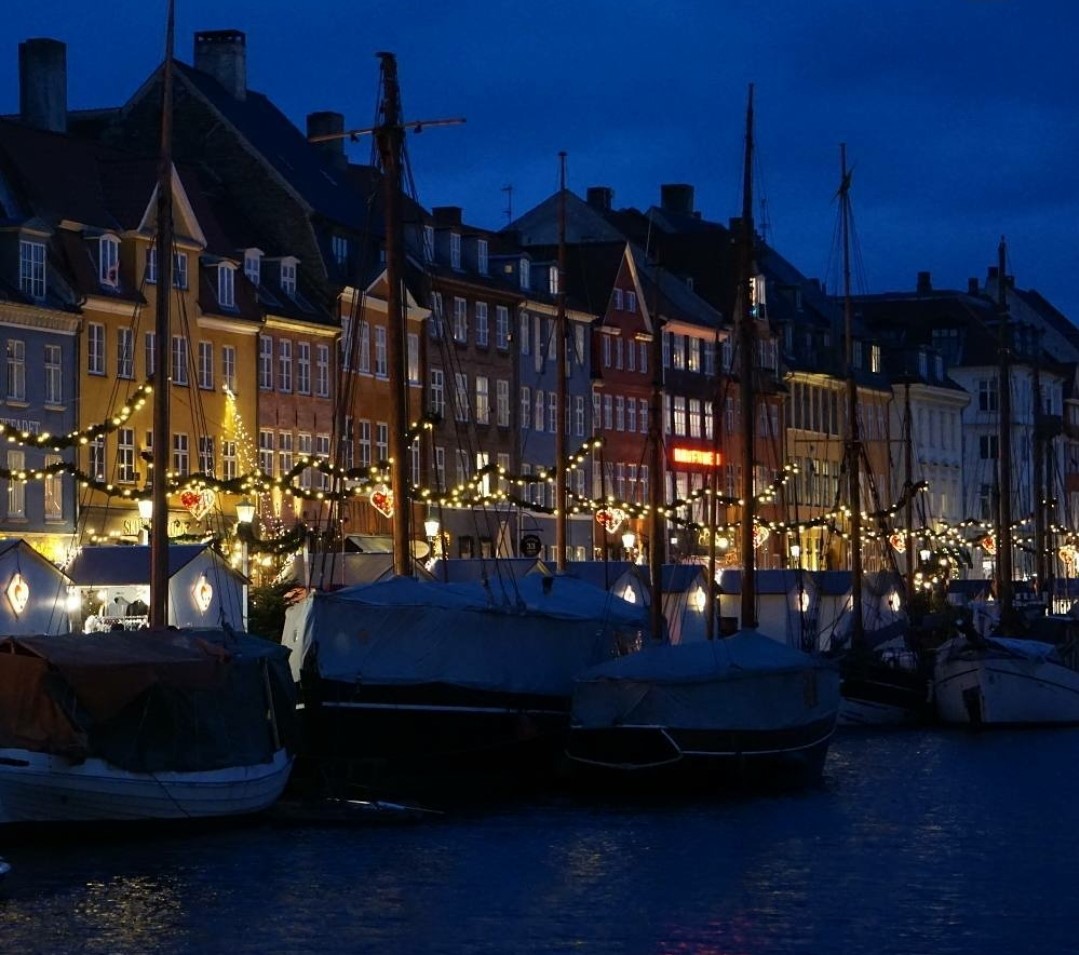
Copenhagen – the home of ‘hygge’, the Danes really know how to embrace the cold with cozy nooks and cafes. There are plenty of beautiful lights and museums to enjoy, indoor activities, and a tradition of hospitality, saunas, and comfort.

UK & Scotland – filled with plenty to do indoors, from museums to quaint bookstores, afternoon tea to cozy pubs. There’s no place better suited for moody skies and cozy coffee shops. Here you can enjoy a break from the cold in the old pubs or more modern drinks in festive igloos and unique indoor spaces.

Amsterdam- a perfect city break with festive lights and comforting food. If you’re lucky, you could go skating on a canal and then find yourself in a cozy nook eating a hot waffle. There are so many museums and galleries in Amsterdam that you’ll spend plenty of time indoors feeling satisfyingly warm.

Romantic Vibes – Perfect for Cities with Medieval Architecture

Places always seem more romantic with a light dusting of snow. The warm glow of lights and the gothic architecture and medieval castles that you find all over Europe just add to this fairytale feel. Snuggle up next to your partner as you wander through a classic Christmas postcard.

Where to Go:

Innsbruck & Vienna, Austria – both cities boast beautiful scenery and stunning medieval architecture that feels like you’ve stepped into a fairytale. With modern comforts and plenty to do and see, these are perfectly romantic cities to walk around in winter.

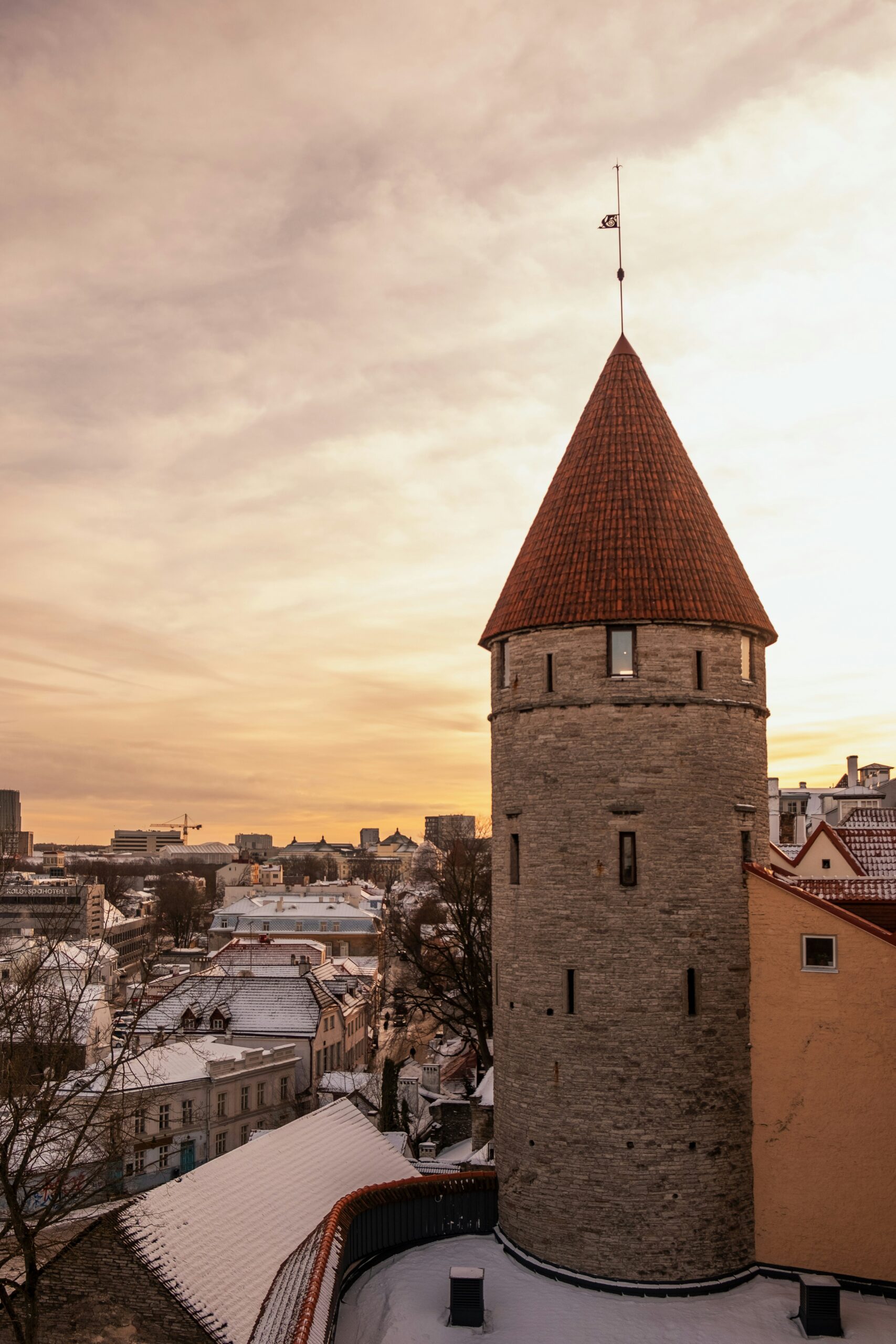
Tallinn, Estonia – charm and turreted castles, in lovely locations. Tallinn is a wonderfully preserved historical center in Europe. With medieval churches and merchant houses, you’ll enjoy exploring the historic city center.

Latvia – 800-year-old churches, bustling markets, and solstice traditions all greet you in Latvia. Combine it with sledding and hiking, and you get a romantic blend of snow and city.

Winter Sports – Perfect for Mountain Destinations

Of course, there is the classic reason to visit Europe in winter: winter sports! If you like a bit of adrenaline, adventure, and soft powdery snow, then Europe has so much to offer you. Imagine skiing down the Matterhorn or snowboarding through clear blue skies and white powder. For a change of pace, you can try tobogganing and dogsledding – winter sports abound in northern Europe.

Where to Go:

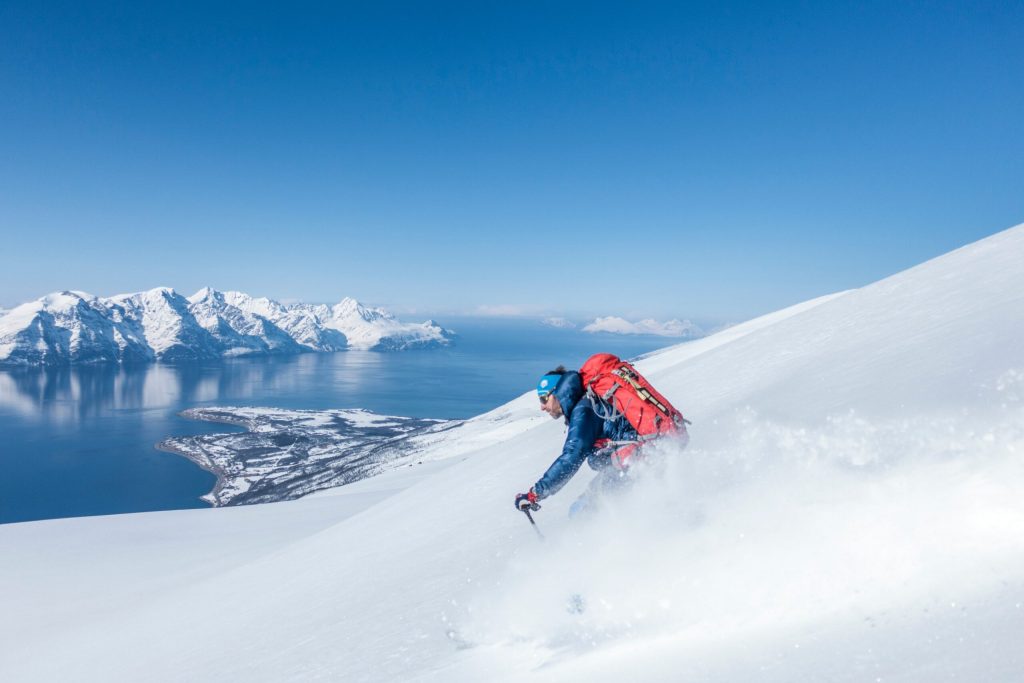
a man skiing down the slopes with the sea and mountains in the backgroun in Norway

Swiss Alps – The Alps call loudly to sports enthusiasts. Scenic trains transport you to your destination. Revel in the light festivals and mountains to ski, snowboard, and toboggan down. It’s the perfect way to enjoy winter with adrenaline.

Lapland – the hometown of Santa Claus – should be visited in winter when you can enjoy the magical atmosphere. Enjoy winter activity parks and light displays. This is a great option for a family winter sports adventure. A quintessential winter holiday from sledding to snowman building.

Norway – combine ski resorts with northern lights, unique cabins, and stunning views. Enjoy dog sledding, ice fishing, tobogganing, saunas, and snowshoeing as you explore this winter wonderland

Are you ready to start planning your winter adventure to Europe? We’d love to help you find the perfect destination for your winter experience – get in touch now to make your magical winter adventure a reality.

You provided excellent guidance for us. I appreciated that you really had us think about what was most important to us when we were selecting the right cruise – and not to totally focus on what other people had to say. THANK YOU for helping to make this a memorable trip for our family! It really was a trip of a lifetime!

Clare and Mark (family cruise to Alaska)

The level of service we experienced was out of this world (and we did NOT make it easy on Ann). We weren’t quite sure where we wanted to go, when we would be able to go, or what “vibe” we were going for. After asking us some key questions (what we liked, didn’t like, why, etc.) Ann helped us narrow down our trip details and planned the honeymoon of our dreams. She helped book some of our excursions, answered some emergency questions while abroad and was always available/willing to help. I think it’s safe to say we won’t be using anyone else for future travel planning – Ann is a rockstar!

Carli (Italy and Spain)