
Why Slow Travel Creates a Richer European Experience

What if your next adventure felt less like touring and more like experiencing? We always advocate slower travel for a clients, but sometimes they’re not sure exactly what that might look like. Or why it will dramatically improve their travel experience to Europe. Here’s why we think you should consider slow travel for your next European adventure:

What Does Slow Travel Mean?

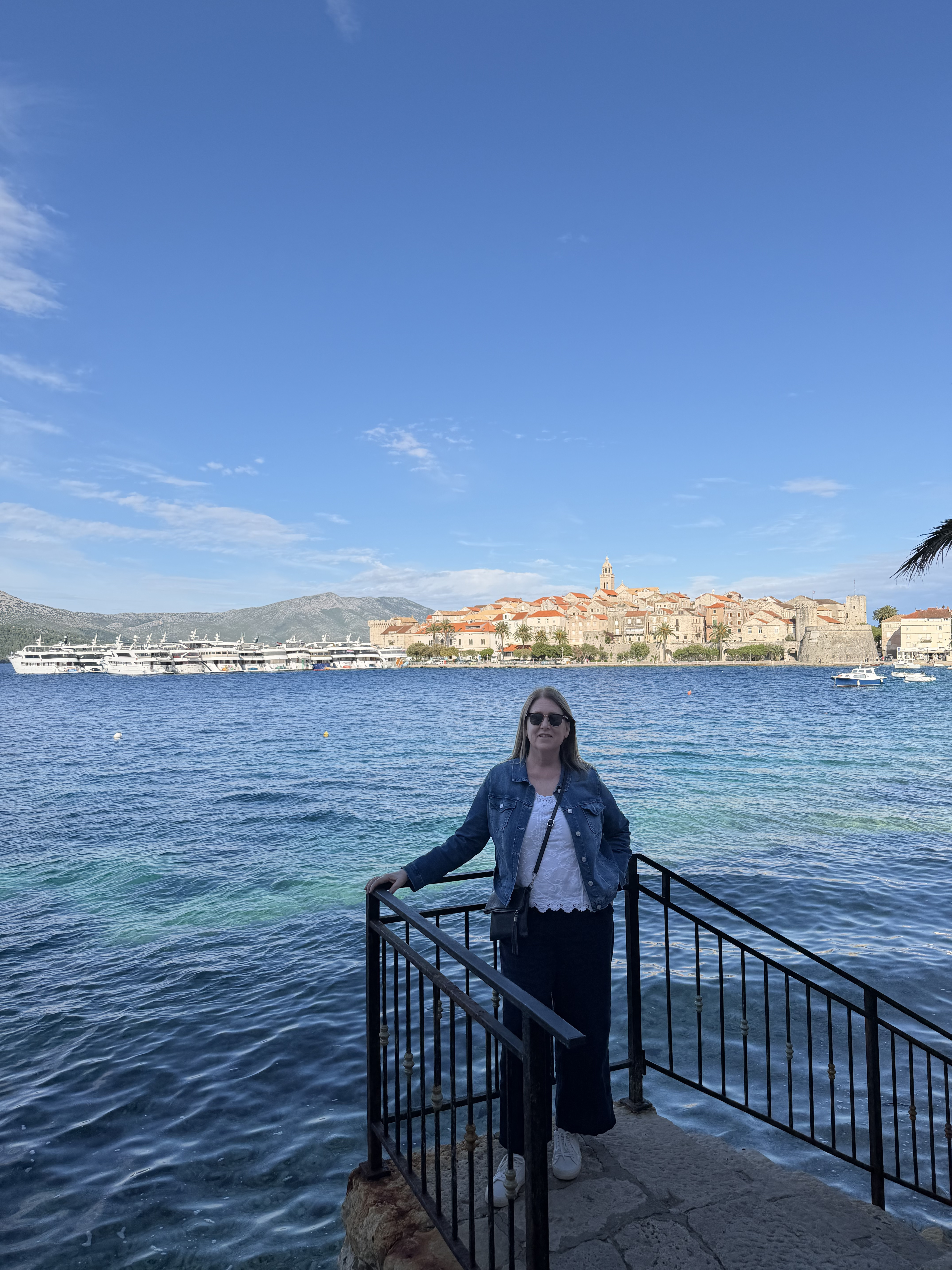
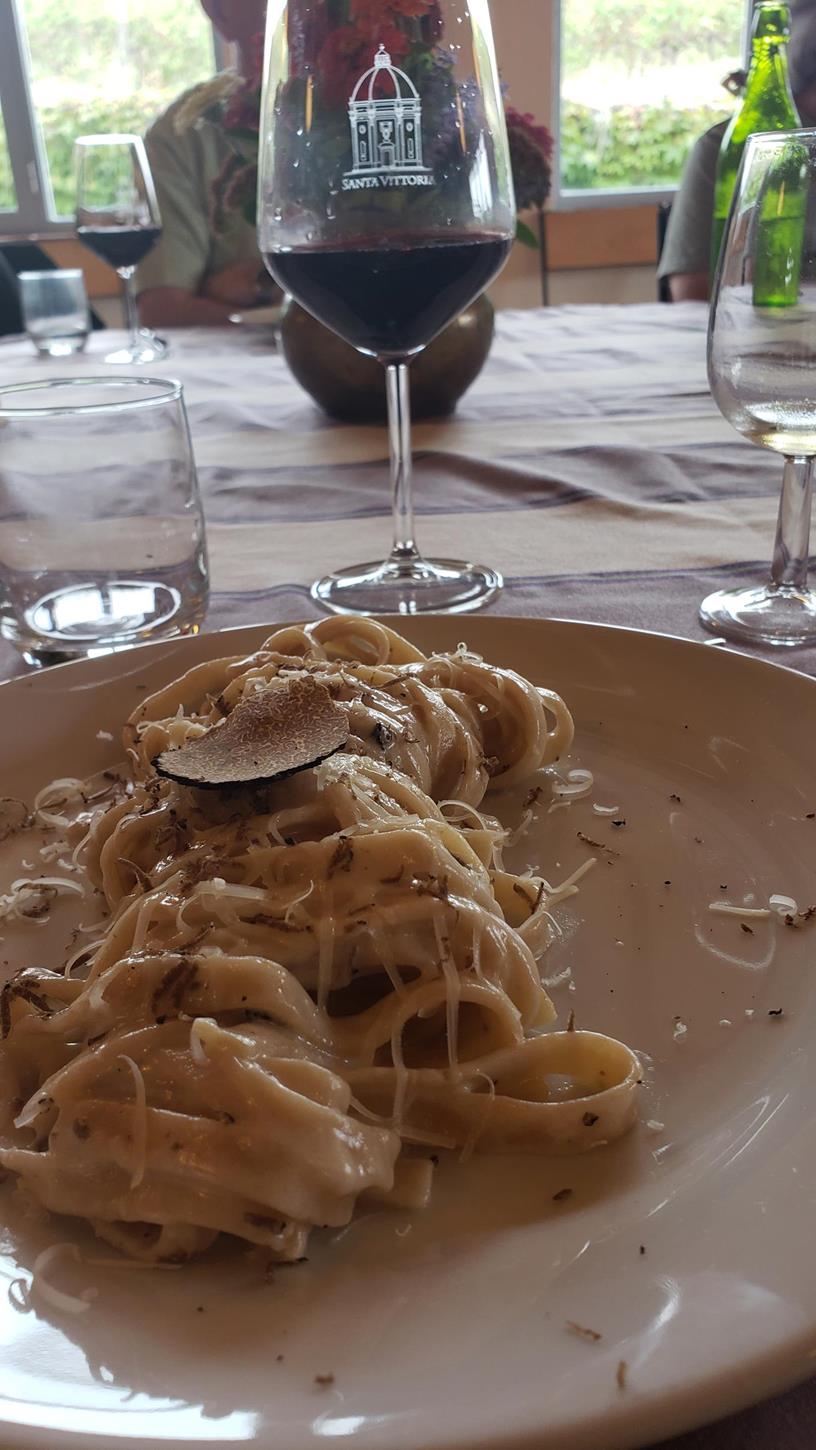
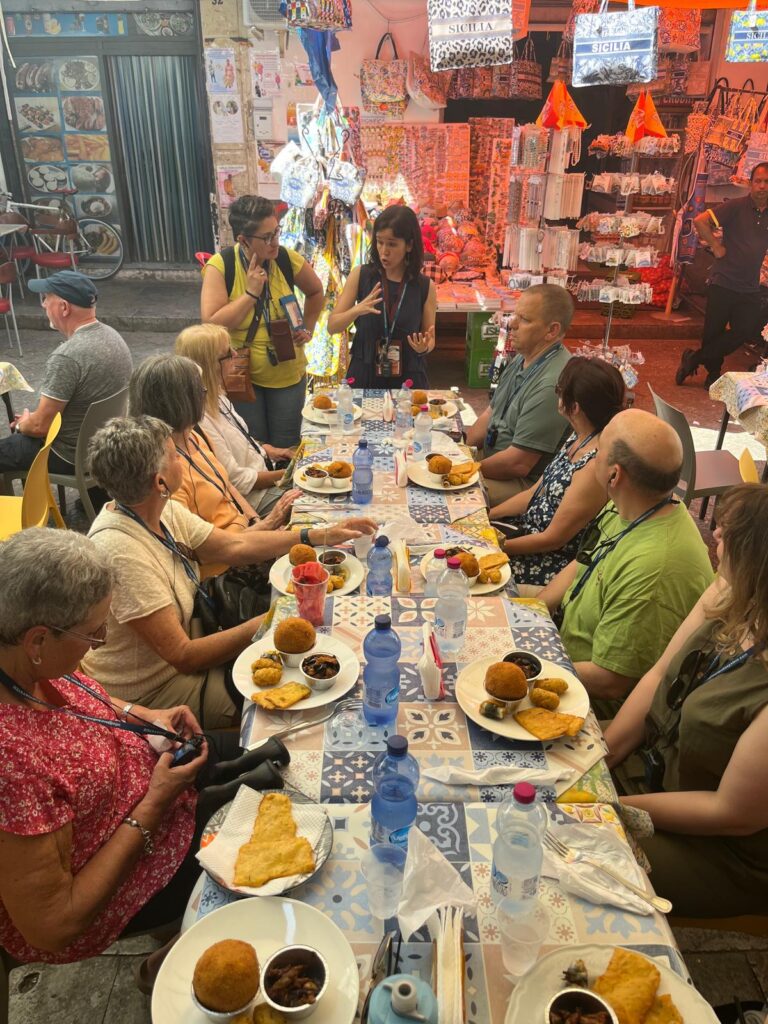
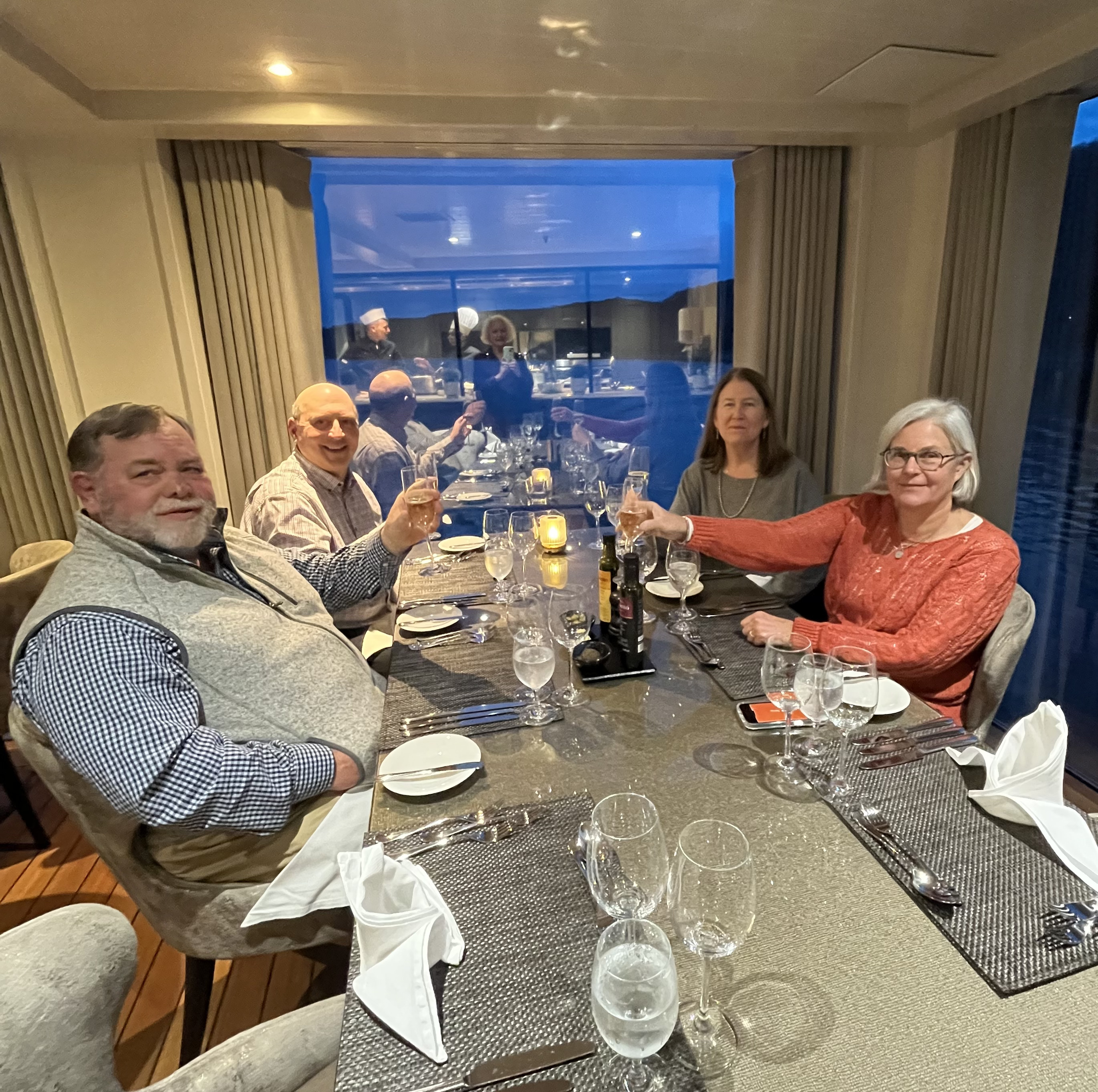
The idea of “slow travel” is tossed around a lot these days, but what does it actually mean? At its most basic, slow travel involves staying in a single destination for a longer period of time. Instead of trying to see all the best sites of a country in one trip, we try to slow down and focus on experiencing, engaging, and living in only one or two cities.

What that enables is seeing the little-known parts of a city or town alongside the big “must-see” sites. Slow travel means allowing yourself time to absorb your surroundings in a relaxed way, rather than having a packed schedule that focuses only on the highlights. You can “live like a local”, and dig deeper into a city or a region.

[Photo Credit: Bob & Stacey via Shared Adventures — read about their adventure to Edinburgh & London here! ]

Why Slow Travel is Liberating, Not Limiting

When first confronted with the idea of slow travel, people often see it as a limiting factor on their ability to maximize what a destination has to offer. But the exact opposite is true.

When your schedule is freer, and when you have time to visit places on a whim, explore little shops, and have time to actually go to the places your tour guide suggested on your first day, you are liberated to explore. You’ll never feel like you’re missing out on something.

[Photo Credit: Liz via Shared Adventures — read about her young nephew’s visit to Italy here!]

Liz holds her nephew over an ancient well in a castle in Italy

Slow Travel Creates Authentic Experiences

We’re always asked about “authentic experiences” — getting to see real hidden gems and not just tourist traps that you can see on Instagram for free. Traveling slowly and really lingering in a place allows you to observe and participate in the community. You get a better understanding and have more time to explore neighborhoods at a leisurely pace. You can take time to find the authenticity that defines the true soul of Europe.

Some of the most amazing places we’ve found in our travels have been found incidentally. On a whim, or on the advice of one of our guides, we decided to visit a little-known site or shop that turned out to be incredible.

[Photo Credit: Ann via Shared Adventures — read about her week in Rome here! ]

Better Memories, Less Stress

Slow travel is about savoring a place. It is going to the same café each morning to get breakfast, enjoying a coffee as you people-watch in the piazza, and noticing the incredible artisan shop down a side street in a local neighborhood.

[Photo Credit: Nicole & Paul via Shared Adventures — read about their anniversary trip to Paris here! ]

a Parisian store on a food tour around Paris

Because we have time to breathe, we have time to laugh and enjoy the random moments of getting lost or misunderstanding the local language without the stress of time or schedule.

Slow Travel is More Affordable

Slow travel is also inherently more economical. By choosing a longer stay in one location, you can often get better rates on accommodations (with special “linger longer” or “stay 4 / pay 3” promotional rates.) You avoid the hidden costs of constant transit, while also saving on the “convenience tax” of last-minute dining and shopping.

Travelling more slowly allows you to allocate your budget toward higher-quality experiences. You can spend a little more on a private cooking class or a wine tasting, rather than simply covering the logistical expenses of moving from place to place.

[Photo Credit: Ann via Shared Adventures — read about her meandering river cruise on the Rhone here! ]


Slowing down and taking time to understand the places you are visiting not only enriches your adventure, but it is relaxing, fantastic for your mental health, and easier on your wallet. Discover your next European escape with a curated slow-travel itinerary designed for depth, not just distance. Let us know when you’re ready to begin your journey.

A Insider Look into A Rhone River Cruise

My husband and I have done quite a few river cruises at this point, and we’ve sailed multiple times on the Danube, Rhine and Seine, so I was very excited to try a new river on our most recent trip  — the Rhone.

Where the Danube is all about big Imperial cities like Vienna and Budapest, the Rhine is fairytale castles and history, and the Seine combines the bucket-list experiences of Paris and Normandy, the Rhone is a deeper dive into wine and terroir.

About the Provence & Burgundy Route

Our northbound Rhone itinerary took us from the sun-soaked Mediterranean, through the medieval towns of Arles and Avignon, to the foodie city of Lyon. Along the way, we sailed right through two of the most celebrated wine regions in France – Provence and Burgundy.

What we quickly discovered is that unlike some of the other rivers, the Rhone is not about checking “must-see” sites off a list – it’s about settling into a rhythm.

We sailed past vineyards and olive groves, we strolled through narrow streets in charming villages, we sipped amazing wines, we shopped open-air markets, and we shared some fabulous meals.

It was immersive, and relaxing, and felt more like a vacation than some of the other river cruises we’ve done.

Pre-Cruise in Nice, France

We started our trip with a couple of nights on our own in Nice, which I would highly recommend!

It was a great opportunity to soak up some sunshine (which turned out to be in short supply during the cruise itself) and explore the coast. We did a lovely, guided daytrip to Eze and Monaco, we climbed the Colline du Chateau for panoramic views over Nice, we did some shopping at the Cours Saleya market, and we found some great local restaurants.

From Nice, it was an easy 2 ½ hour private transfer to Arles, where we boarded the ship. If you wanted to do your pre-cruise stay closer to Arles, you could also choose Marseille or Aix-en-Provence instead. But we absolutely loved Nice and would love to go back there in the future.

What Can You Expect From a Uniworld River Cruise Ship?

Uniworld’s SS Catherine, like all of their ships, is a work of art in and of itself.

It feels like a boutique hotel, with elaborately-decorated common areas, and plush cabins. Ours had a full wall of windows that slid open, with a screen that slid down, so we could enjoy the fresh air as we sailed along. It also had a heated floor in the surprisingly spacious bathroom.

Onboard, there was the usual main restaurant and lounge, an open-air sundeck on top, and a small gym. But this ship also had an indoor pool, a second bar/lounge with an outdoor terrace, and a guest laundry room with three sets of self-service machines – a very nice convenience!

Like most river cruises, the ship holds about 150 people. Onboard programming includes some light entertainment in the evenings, and an occasional lecture/talk in the afternoon, but the real star is the cuisine. Breakfast and lunch are buffet, but the dinners are multi-course experiences, paired with local wines. And the very knowledgeable sommelier gave a quick briefing every day during the cocktail hour to tell us about the wines she would be featuring that evening.

Shore Excursions – Tours Along the River

In every port, there was an assortment of included tours, ranging from guided walks to hikes and wine tastings. You could also sign up for special excursions (at an added cost). These included things like visiting celebrated wineries, doing a hands-on cooking class, or having lunch with a noble family at their chateau. We did not do any of the special tours, because this was the tail end of a three-week stay in France. And we were happy to just relax and go with the flow. But, I think if I did this itinerary again, I probably would try one or two of those.

We did really enjoy the tours that we did, though.  We visited the Papal Palace in Avignon. And tasted wine and chocolates in Tain-L’Hermitage. We learned to play pétanque, and spent an afternoon in the cozy wine town of Beaune. And we got just enough of a taste of Lyon that we know we need to go back there for a longer stay.

Taking A River Cruise in March?

The only downside to this March sailing (the first departure of the 2026 season) was the weather. Most days were gray, windy, and chilly, and we had a few rain showers. If we were to do this again, we’d sail later in the season when we could really enjoy the region at its best.

Final Verdict

Overall, this was a fabulous experience. I loved the ship, and the itinerary, and I would do it again in a heartbeat. But I’d add time in Lyon, and sail in May or June rather than March.

And I would highly recommend a Burgundy/Provence river cruise to anyone who wants to savor French culture and cuisine!

Client Review: A Fabulous Girls Trip To San Juan

We were so excited to help Danielle plan a girl’s trip to San Juan! With eight girls all looking to have a fabulous, sunny, fun experience together – away from work, partners, and kids — we knew that San Juan would provide the relaxed, high-level island experience they were looking for. Here’s their review:


Thank you so much for setting this up for us.  The check-in process was super easy, and the hotel was incredibly accommodating.  I do not think we could have had a better time and could not recommend the Vanderbilt Hotel enough. 

Condado Vanderbilt Hotel:

Incredibly accommodating, and the staff is TOP tier.  Extremely friendly, fun, and responsive.

Our rooms were spotless and much bigger than expected.  VERY comfortable for 3 people. Beds were so comfortable!

Rooms came with water, soda, and some snacks which was super helpful.

The options of all the pools at the hotel was awesome.  We would “pool hop” each day but mainly stayed at the main pool.  The infinity pool looking over the ocean was breathtaking, could have stayed there ALL day!


The housekeeping staff was incredible.  We could come back to our rooms and our shoes would be lined up and jewelry all lined up on a towel.  It was a true 5-star experience.  Coming back to a clean, put-together room, on vacation is like no other.  They also offered turn-down service, which was the BEST!

We only ate at the Ola restaurant and got a few drinks at the lobby bar.  There are no complaints on food and drink! Very happy with our experience.

One thing we wish we had known prior was the “Hotel Tarriffs” that were charged at the end of our trip.

Room service was great! A few of us did breakfast in bed, and grabbed lunch in our rooms.  Servers were so friendly and the food was delish.


Our Favorite Places to Eat in Puerto Rico

We mainly relaxed at the hotel and had dinners out at night with some bar hopping.  LOVE PR!

The three restaurants we went to were amazing and highly recommend:

  • Casita Mirimar – https://www.casita-miramar.com/
    • Food was delicious and the atmosphere was so cool.  Old PR home turned into a restaurant.  We had a whole room to ourselves.
    • This was our first night. Went to dinner and then went back to hotel to rest.
  • Santaella (La Placita) – https://www.josesantaella.com/
    • Dinner was amazing, and the service was exceptional
    • Went out in La Placita this night, was not our favorite atmosphere – more club like and bars that we would probably experience at home.
    • Regardless, we all had a BLAST and this night got the best of some of us haha.
  • El Vino Crudo (Old San Juan) – https://elvinocrudo.com/
    • This restaurant was a vibe.  The menu was very different and changes weekly.  They also have really cool wines.  Service was also great!
    • Went out in Old San Juan this night and probably our favorite night in the city.  Went to the famous La Factoria!! This bar makes you really feel like you are IN Puerto Rico!

Worth every penny!! Thank you again for everything!

-Danielle

How to Survive Europe in Summer? Top Tips From A Travel Advisor

Summer in Europe can be an incredible experience. The sun is out. The light in the mornings and evenings bounces off the beautiful stone architecture, giving everything a golden glow. You have a fresh, fizzing glass of prosecco in hand. You’re on a picturesque cobblestone street. Just that picture in our minds is what gets us through the harsh, dark, cold winter months.

But summer in Europe also has its downsides. Namely, the heat and the crowds. Unfortunately for us, everyone else has that same mental picture in mind, and they yearn for a European summer vacation, too. So despite the growing heatwaves, travelers are still flocking to Europe.

So how can you best enjoy your time in Europe this summer, and survive the heat and the crowds? If you have your heart set on traveling to Europe in June/ July/ or August, or if you don’t have the flexibility to travel any other time. Here’s what you need to know:


It’s all about your mentality – What are your Expectations for a European Summer Vacation?

Read this guide and go into your trip with the right mentality, and you’ll have an amazing time. Keeping your expectations realistic will help you keep your cool when things get overwhelming.

First, the harsh reality: It’s going to be hot. It’s going to be crowded. It’s going to be buggy and muggy.

There isn’t a lot you can do to change these things. They are immutable truths of Europe in summer. Once you accept them, you’ll have a much better time!

a woman in the sea looking at the colorful mountainous Italian city of Positano

Remember, you’ll need to be patient and take it slow. Expecting large numbers of tourists and long lines to see the most famous sites will keep you mentally calm and patient when you do encounter them. And pleasantly surprised if you don’t.

[Photo Credit: Christina via Shared Adventures Travel]

Most of Europe does not embrace air conditioning. Booking a hotel with air conditioning is a good start. But prepare yourself for many places having nothing more than an open window and a fan in the corner. This includes restaurants, shops, stores, bars, cafes, and public transportation.

Many things in Europe are not only closed between 3 and 6 pm, but they also close for some week(s) in August. Therefore, you may have trouble finding a spot for dinner before 6. And when you do, they may be out of your favorite wine because their supplier is taking her summer holiday.

What’s the best thing you can do when travelling to Europe in summer? Relax and be patient.

[Photo Credit: Liz via Shared Adventures Travel — a sign changing the opening time because it’s too hot]

How to Handle the European Heat?

Especially in Northern Europe, where climates have historically been cooler, most European cities aren’t made for the kind of heat we’re seeing nowadays. Most of the buildings are old and designed to keep heat IN. The architecture and cobblestone roads trap heat. This makes the heat in European cities no joke. Here’s how to survive:

a beautiful balcony overlooking the sea

Embrace the Siesta – Split your day into two halves and avoid the hottest hours of the day. Get up a little earlier and enjoy walking and sightseeing outdoors in the morning. While the sun is strongest from 11 to 3, the temperatures are usually highest from about 3 to 7. This is now your siesta time. Have a big lunch and then head back to your air-conditioned hotel room for a lovely nap or swim in the pool until the evening. It stays light until about 9 or 10 pm. So, the second half of your day can start between 5 and 7 pm.

[Photo Credit: Andrea & Eric via Shared Adventures — read about their trip to London & Greece here!]

Sunscreen – The sun in Europe is strong, and even if you don’t usually burn at home, make sure to put sunscreen on your face and the back of your neck! Don’t forget to reapply.

Plan Your Sightseeing -Museums almost always have air conditioning. Churches tend to be cool. So, plan to visit these places in the afternoon or during the hottest part of the day.

Stay Hydrated – Bring a reusable water bottle, purchase water at restaurants, whatever you need to do. Make sure you stay hydrated and healthy.

Cooling Points & Bandanas – Running some cool water from the tap over your wrists and ankles, the back of your neck, and your feet will help you cool down instantly. Bring a cute bandana with you to wet and wrap around your neck.

[Photo Credit: Liz via Shared Adventures]

Don’t do too much – While we always advocate slow travel, it is a necessity in summer. Running around trying to see too much will only make you hot, tired, and cranky. Slow down, relax, and take your time seeing places.

Best Ways to Navigate the Summer Crowds

The other certainty of Europe in the summer is the crowds. This is high season after all. Families all over the world get summer breaks from school, and many Europeans take their holiday time from work during the summer as well. Everyone is traveling.

A happy couple in front of the Eiffel tower

Get away from the major attractions – Of course, if you’re visiting Paris, you want to see the Eiffel Tower and the Louvre, but try your best not to linger near these points. Don’t get lunch at an overpriced restaurant across the street from a major attraction. Visit those must-see sites, and then plan to travel to a more local neighborhood for food, snacks, drinks, and shopping.

[Photo Credit: Annette & Mike via Shared Adventures — read about their 50th anniversary adventure to Paris & the Italian Riviera here! ]

Prebook & Preplan – If there’s anything you have your heart set on doing, seeing, or visiting- plan ahead! Things sell out quickly in summer. Therefore, you must make reservations and get skip-the-line passes to avoid disappointment.

Be aware of scammers and pickpockets – Thieves ramp up their operations during the busy summer season. Always be aware of your surroundings, don’t leave anything valuable in your backpack, and don’t accept anything someone tries to hand you. Research popular scams in your destination and keep your antennae up.

[Photo Credit: Ann via Shared Adventures]

Look for Alternative Entrances – Liz saw it all the time when she worked on cruise ships: people would see a line and stand in it without checking if it was the right one. When you’re visiting an attraction, leave one person in line and have another go to the front. They can check that it’s the correct line. Or even look for an alternative, less-busy entrance. That way, you don’t waste unnecessary time following the crowd.

delicious gelato in half a lemon the Amalfi Coast

Have an agreed-upon Meeting Point – Sure, we all have phones, but what if they overheat and turn off? If you’re traveling with a group to a crowded site, pick a meeting point. If you get separated or lost, if you are without phone or signal, you can always find each other again.

Tip: Make it a café or ice cream shop so the first person there can enjoy themselves while they wait.

[Photo Credit: Hilary and Zackary via Shared Adventures — read about their honeymoon to Rome and the Amalfi Coast here! ]

What to Pack for Summer in Europe

Packing the right things for a summer in Europe is key. While we always recommend packing light, it becomes even more important in summer. You don’t want to be lugging a heavy suitcase over the cobblestones in 90-degree heat.

Light & Flowy Clothing – Light, natural fabrics will help you keep cool. Ensure you don’t bring tight-fitting or dark clothes, as these can trap heat. Instead, look for linen, cotton, or wicking fabrics. Bring a lightweight shawl for churches and temples.

[Photo Credit: Jay & Alicia via Shared Adventures — read about their family adventure to Greece here!]

A family standing against a white wall in Greece

Sunglasses, Hat, Sunscreen – Protect yourself from the sun with a cute floppy hat and sunglasses.

Facewipes & Bandana  & Change of Socks – Having a little pack of facewipes to refresh when you’re super hot and sweaty can feel so good. A damp bandana around your neck will keep you cool. And finally, if you can do nothing else, change your socks. You’ll feel like a new person.

Fan – Whether you decide to bring a mini-electric fan or an old-fashioned hand-held fan, being able to cool your skin is a lifesaver. It may not seem like much, but Liz’s hand fan is the best purchase she’s ever made in Italy.

Bug Spray – There are many bugs, and there are very few window screens. Bring or buy bug spray to avoid the worst of it. Consider netting for the bed or windows to help you sleep better.

[Photo Credit: Liz via Shared Adventures]

Laundry Kit – Depending on how much you sweat, you might find some of your clothes need a little ‘refresh’ or simply to be kept away from the rest of your suitcase. Having a little laundry kit with soap, sink stopper, line, and laundry bag can help you do a quick refresh. And save you from packing too many clothes.


Are you ready to embrace your European summer adventure? Let us help you plan it — reach out!

You provided excellent guidance for us. I appreciated that you really had us think about what was most important to us when we were selecting the right cruise – and not to totally focus on what other people had to say. THANK YOU for helping to make this a memorable trip for our family! It really was a trip of a lifetime!

Clare and Mark (family cruise to Alaska)

The level of service we experienced was out of this world (and we did NOT make it easy on Ann). We weren’t quite sure where we wanted to go, when we would be able to go, or what “vibe” we were going for. After asking us some key questions (what we liked, didn’t like, why, etc.) Ann helped us narrow down our trip details and planned the honeymoon of our dreams. She helped book some of our excursions, answered some emergency questions while abroad and was always available/willing to help. I think it’s safe to say we won’t be using anyone else for future travel planning – Ann is a rockstar!

Carli (Italy and Spain)