5 Reasons You Should Visit Europe in Winter

Generally, when people consider a winter vacation, they are either heading to the mountains to ski or to the tropics to enjoy the beach away from the cold weather. But what about everything in between? In ways that are almost too magical to explain, European destinations can come alive in the winter. Here are our top 5 reasons why Europe is one of our favorite places to visit in the winter:


Fewer Crowds & Better Prices – Perfect for Typically Busy Cities

Winter is an ideal time to visit major cities that are usually teeming with tourists all trying to see the same famous sites. In winter, these cities become more authentic, with more of a local atmosphere – everything feels a bit calmer.

While the cities certainly won’t be empty, visiting in winter means you get to enjoy shorter lines to see the most well-known sites. Suppose you’ve always wanted to see the Louvre or climb the Eiffel Tower with ease. Or maybe you dream of seeing St. Mark’s Basilica in Venice or experiencing the incredible La Sagrada Familia without waiting in the impossibly long lines of summer. Winter is the perfect opportunity.

Because it is the low season in most of these cities, you’ll also spend less. If you’re concerned about the budget, this is a great way to save and still see everything on your bucket list. Not only are hotels cheaper, but flights to Europe are usually less expensive too.

Where to Go:
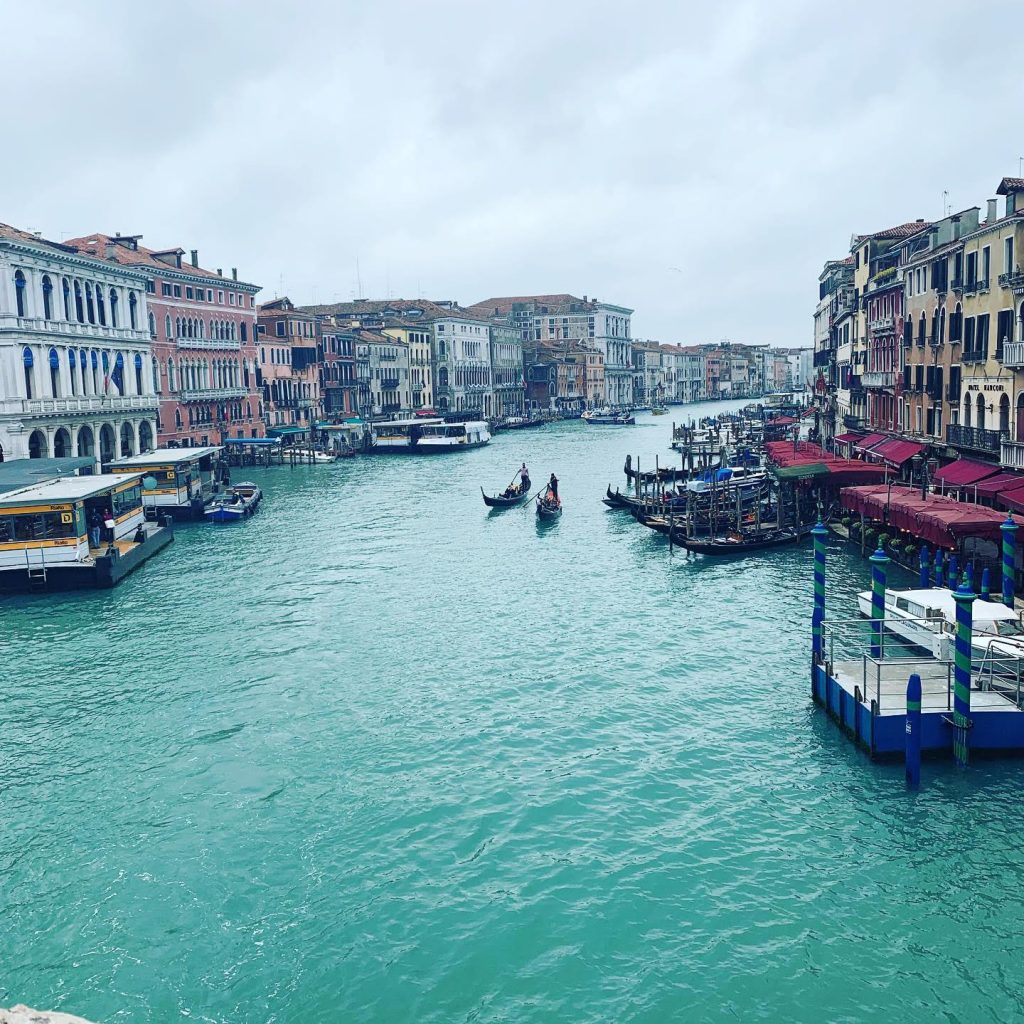
view of the grand canale in venice from the Rialto bridge

Paris – for wine bars, cozy vibes, and cafes with heat lamps and furry blankets. Enjoy the window and light displays, spend more time in the museums, and linger over the pastries in the bakeries. Plus, in January and February, you can take advantage of the winter sales at all the best shops.

Venice – Easier to navigate and easier to enjoy without shuffling along the narrow streets with the crowds. You’ll see the city in a new light with a mysterious and romantic atmosphere brought by the faint fog and overcast skies. Here you can revel in the local vibe.

Barcelona- Known for being a vibrant summer destination, in winter things slow down a little, and you’re able to walk Las Ramblas without feeling overwhelmed. Enjoy the shopping, the architecture, and hiking in the parks.

[Photo Credit: Shannon & Lou via Shared Adventures- read about their winter honeymoon in Northern Italy here!]

Cooler Weather – Perfect for Typically Hot Destinations

Looking for a bit of relief from the heat? If you’re someone who runs hot, then visit the southern European countries in winter. It is the best way to enjoy them without melting into the pavement. With mild climates and beautiful weather, you won’t have to worry about a lack of air conditioning or blistering sun.

Where to Go:

Greece – the islands may close down in the winter, but the rest of the mainland enjoys a mild Mediterranean climate. Allowing you to enjoy all the ancient history and mouth-watering markets at your leisure.
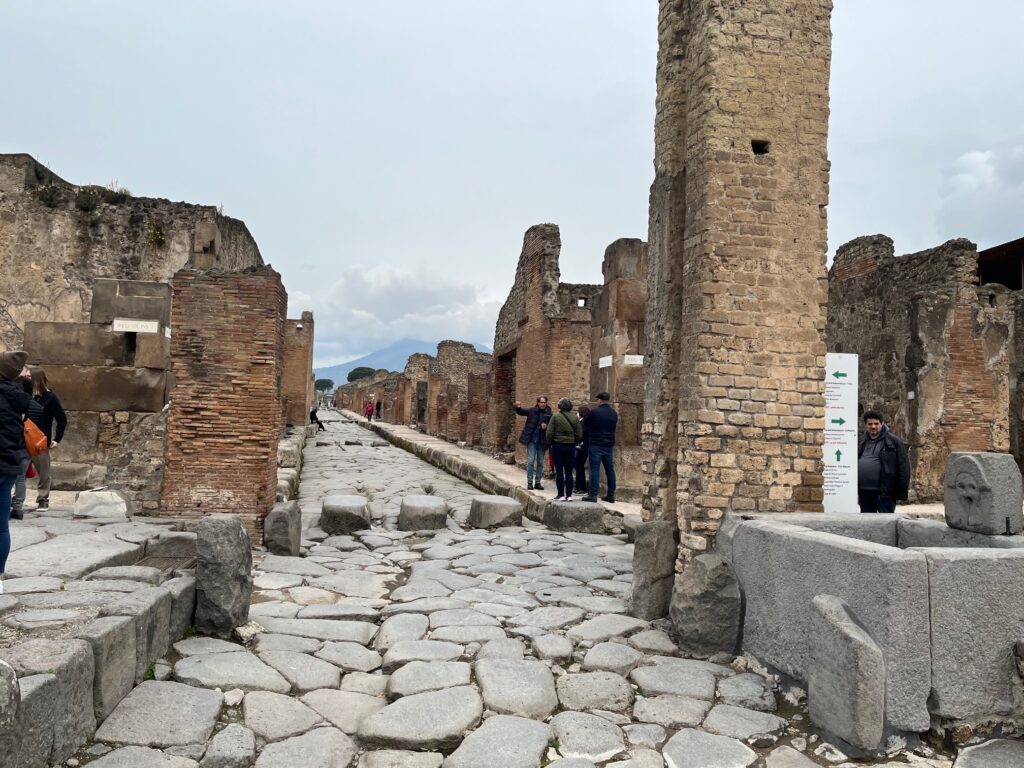
The streets of Pompeii in Italy

Southern Italy – Winter is the perfect time to visit places like Pompeii, Rome, and Sicily. Marvel at the fabulous outdoor sites without the sun beating down on you. You’ll find it easier to walk around and enjoy the cities on foot without showing up to your dinner reservation hot, sweaty, and tired.

Istanbul, Turkey– Visit the Hagia Sophia with ease, and enjoy a steamy hammam if you get a little chilly. Revel in the unique blend of history and culture that Istanbul has to offer. Stunning architecture and warm drinks are waiting to be explored in winter.

Malta– An island with a Mediterranean climate, a rich history, intriguing architecture, and a vibrant culture. The winter temps hover around 50 – 60 degrees, so it’s perfect weather for hiking and exploring.

[Photo Credit: Ann via Shared Adventures]

Coziness – Perfect for Coffee Shops, Bookstores, and Wine Tasting

If you’re ready to embrace the biting cold of the north, then you’re also ready to experience the Danish ‘hygge’ – or the concept of coziness itself. All over the Nordic countries, and in neighboring northern Europe, you can revel in the coziness of warm interiors, delicious hot chocolate, and hearty foods. Indoor spaces in these regions feel like a warm hug. There’s nothing nicer than coming out of the cold into a warm pub, bar, or local café to enjoy a local mulled wine by the fire. These destinations will let you slow down and relax into the winter warmth.

Where to Go:
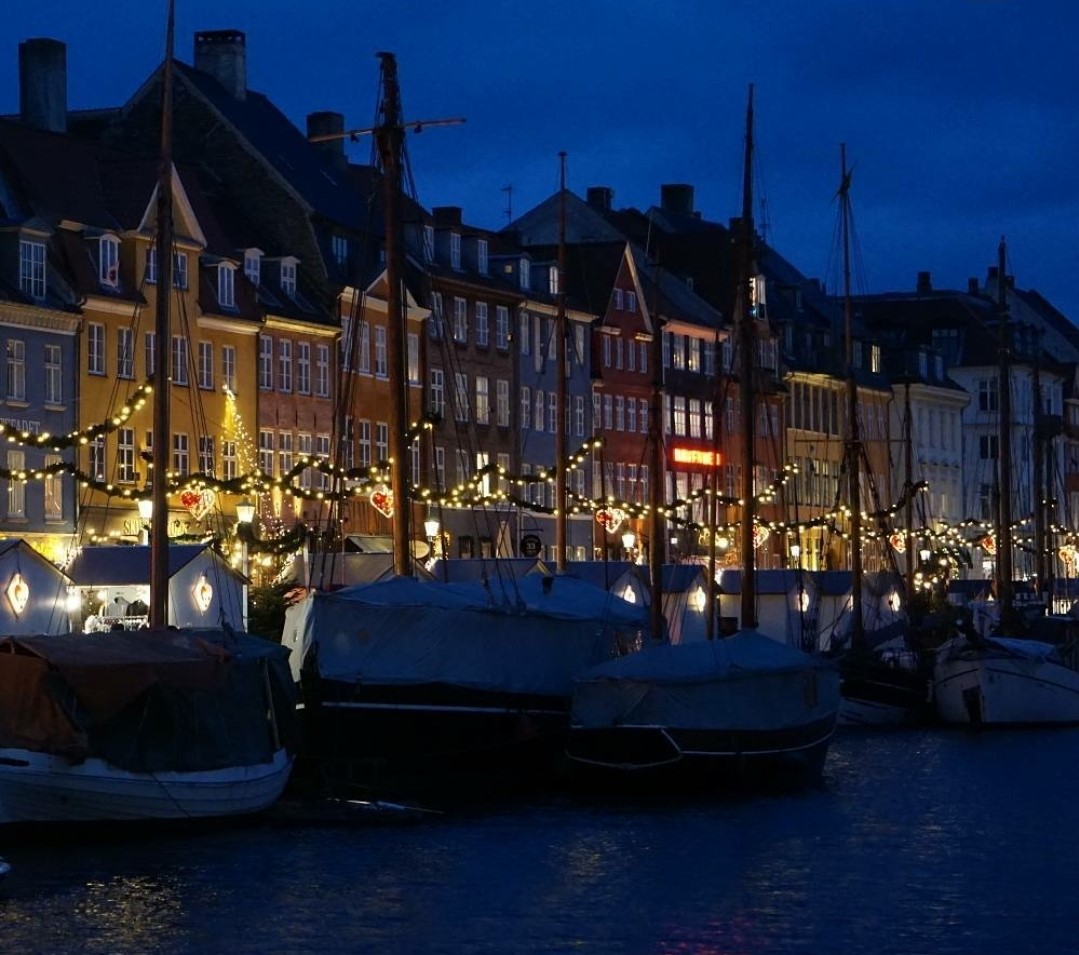
Copenhagen – the home of ‘hygge’, the Danes really know how to embrace the cold with cozy nooks and cafes. There are plenty of beautiful lights and museums to enjoy, indoor activities, and a tradition of hospitality, saunas, and comfort.

UK & Scotland – filled with plenty to do indoors, from museums to quaint bookstores, afternoon tea to cozy pubs. There’s no place better suited for moody skies and cozy coffee shops. Here you can enjoy a break from the cold in the old pubs or more modern drinks in festive igloos and unique indoor spaces.

Amsterdam- a perfect city break with festive lights and comforting food. If you’re lucky, you could go skating on a canal and then find yourself in a cozy nook eating a hot waffle. There are so many museums and galleries in Amsterdam that you’ll spend plenty of time indoors feeling satisfyingly warm.

Romantic Vibes – Perfect for Cities with Medieval Architecture

Places always seem more romantic with a light dusting of snow. The warm glow of lights and the gothic architecture and medieval castles that you find all over Europe just add to this fairytale feel. Snuggle up next to your partner as you wander through a classic Christmas postcard.

Where to Go:
Innsbruck & Vienna, Austria – both cities boast beautiful scenery and stunning medieval architecture that feels like you’ve stepped into a fairytale. With modern comforts and plenty to do and see, these are perfectly romantic cities to walk around in winter.

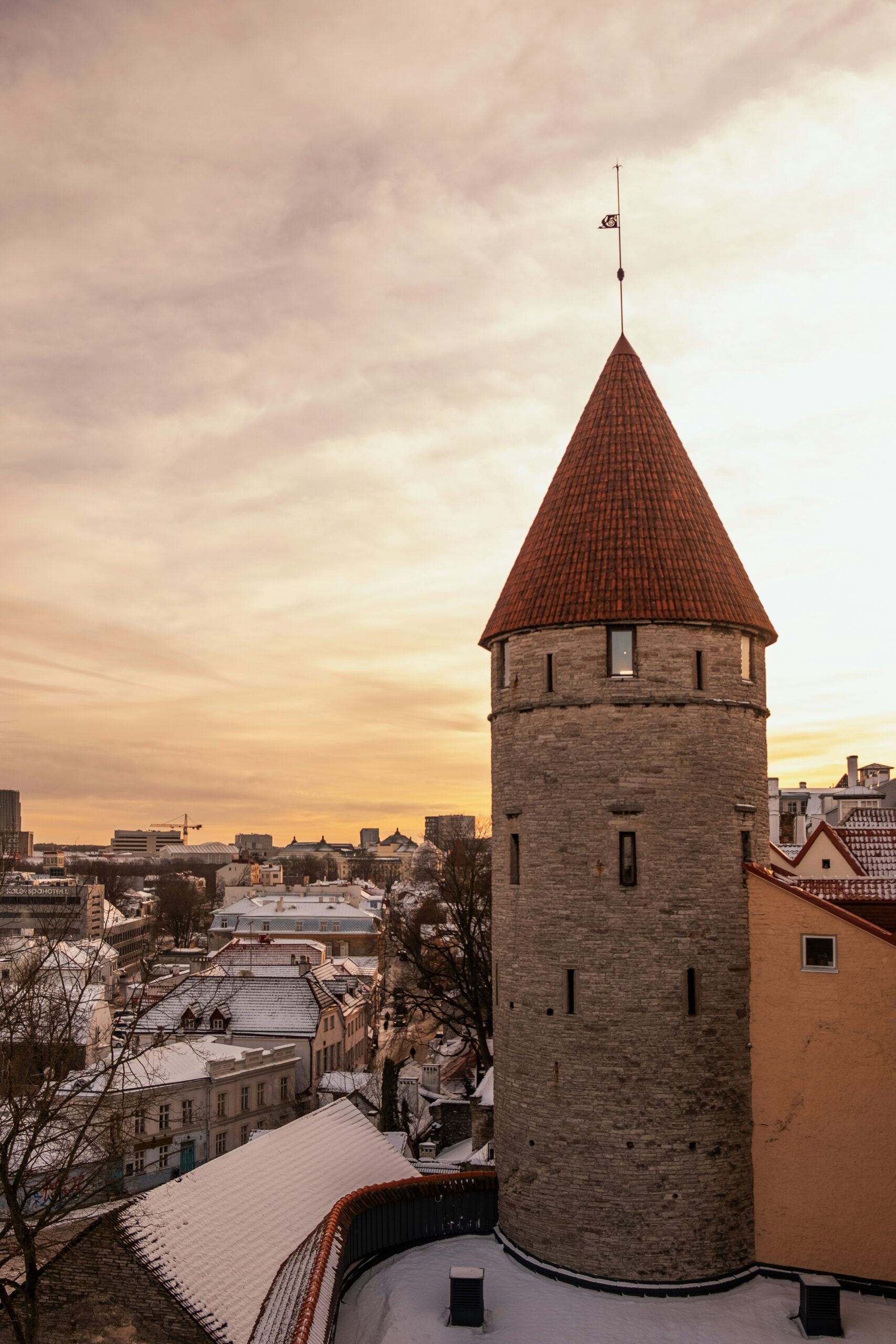
Tallinn, Estonia – charm and turreted castles, in lovely locations. Tallinn is a wonderfully preserved historical center in Europe. With medieval churches and merchant houses, you’ll enjoy exploring the historic city center.

Latvia – 800-year-old churches, bustling markets, and solstice traditions all greet you in Latvia. Combine it with sledding and hiking, and you get a romantic blend of snow and city.

Winter Sports – Perfect for Mountain Destinations

Of course, there is the classic reason to visit Europe in winter: winter sports! If you like a bit of adrenaline, adventure, and soft powdery snow, then Europe has so much to offer you. Imagine skiing down the Matterhorn or snowboarding through clear blue skies and white powder. For a change of pace, you can try tobogganing and dogsledding – winter sports abound in northern Europe.

Where to Go:
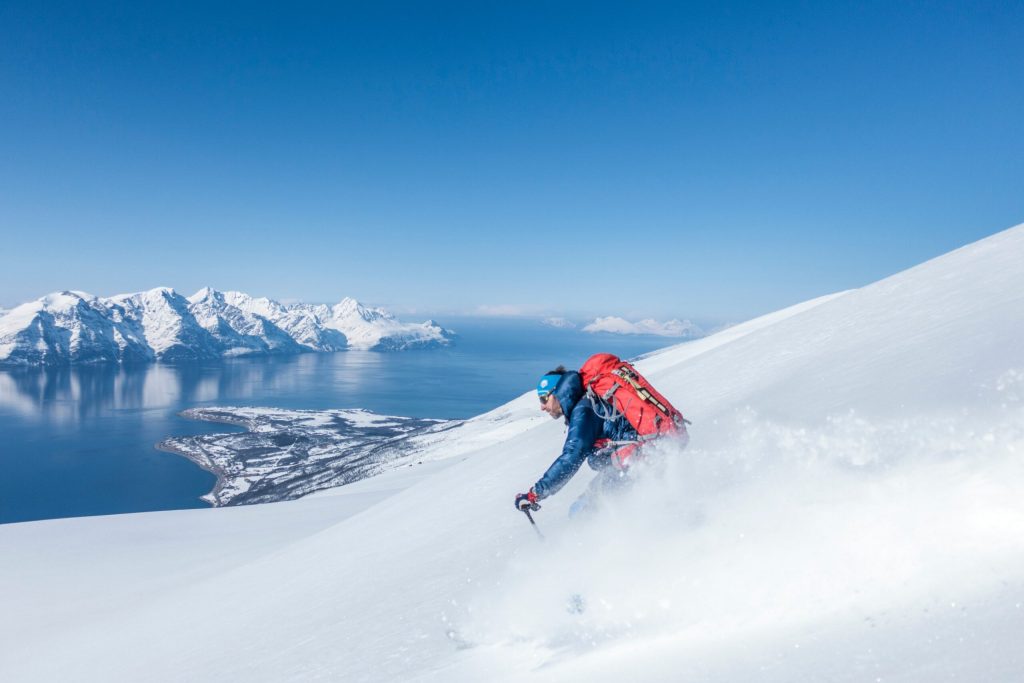
a man skiing down the slopes with the sea and mountains in the backgroun in Norway

Swiss Alps – The Alps call loudly to sports enthusiasts. Scenic trains transport you to your destination. Revel in the light festivals and mountains to ski, snowboard, and toboggan down. It’s the perfect way to enjoy winter with adrenaline.

Lapland – the hometown of Santa Claus – should be visited in winter when you can enjoy the magical atmosphere. Enjoy winter activity parks and light displays. This is a great option for a family winter sports adventure. A quintessential winter holiday from sledding to snowman building.

Norway – combine ski resorts with northern lights, unique cabins, and stunning views. Enjoy dog sledding, ice fishing, tobogganing, saunas, and snowshoeing as you explore this winter wonderland. 

Are you ready to start planning your winter adventure to Europe? We’d love to help you find the perfect destination for your winter experience – get in touch now to make your magical winter adventure a reality.

Why Malta Should Be on Your Travel Bucket List: Europe’s Hidden Gem

Tucked away in the heart of the Mediterranean, Malta typically flies under the radar for American travelers. But this tiny island nation is bursting with history, natural beauty, and cultural richness. If you’re looking for a destination that combines ancient wonders, crystal-clear seas, and unforgettable cuisine, without overwhelming crowds or inflated prices – Malta is your perfect hidden gem.

We recently made a much-too-short visit to Malta, basing ourselves in Valletta for a few days in June and exploring as much of the surrounding areas as we could.  And just that little taste of the destination left us hungry for more. We will definitely be heading back for a longer stay in the not-too-distant future. And here’s why you should too:

1. Rich History and Stunning Architecture

The capital city, Valletta, is a UNESCO World Heritage Site filled with Baroque architecture, fortresses, and ornate churches, including St. John’s Co-Cathedral, home to a Caravaggio masterpiece. Wander through Mdina, Malta’s ancient walled city known as the “Silent City,” and you’ll feel as if you’ve stepped back in time.

Malta is one of the most historically rich countries in the world. It boasts over 7,000 years of civilization, with some of the oldest freestanding structures known to humankind — like the Ħaġar Qim and Mnajdra temples, built long before the Egyptian pyramids.

We explored Fort St Elmo, and the National War Museum, and learned how the Maltese have fought off invaders from the Ottoman Turks through the Nazis, and why the entire island was awarded the George Cross for bravery. And we stayed in a lovely little hotel (Palais Le Brun) housed in a seventeenth-century baroque palace. It was a history-lover’s dream

.

2. Breathtaking Natural Beauty

Despite its small size (just one-tenth the size of Rhode Island), Malta’s landscapes are dramatically diverse and visually stunning. From golden beaches to limestone cliffs and hidden coves, nature lovers will find plenty to admire.

The Blue Lagoon (Comino): With its turquoise waters, this spot is perfect for swimming, snorkeling, and soaking up the sun.

Dingli Cliffs: The highest point in Malta, offering panoramic sea views and peaceful walking trails.

Ramla Bay (Gozo): Known for its reddish sand and quiet charm—ideal for a laid-back beach day.

Blue Grotto: A striking series of sea caves that glow electric blue under the midday sun.

If you’re into hiking, diving, or simply taking in the views, Malta’s natural beauty offers a rich backdrop for adventure and relaxation. We spent a full day exploring the island of Gozo by jeep, and saw beautiful little beaches, dramatic cliffs, unique salt pans, and charming local villages. 

3. A Unique Cultural Blend and Flavorful Cuisine

Malta’s culture is a reflection of its complex history. Having been ruled by Phoenicians, Romans, Arabs, Knights of St. John, and the British, the island has developed a one-of-a-kind blend of European and North African influences.

Maltese people speak both Maltese and English, making communication easy for most travelers. And their cuisine is a Mediterranean fusion with bold flavors and hearty dishes like Pastizzi (flaky pastries filled with ricotta or mushy peas, sold at nearly every corner) and Stuffat tal-Fenek (a rich rabbit stew that is Malta’s national dish.)

We dined by the sea on fresh tuna and local beer. We traipsed up and down Valletta’s steep streets for ftira (their local flatbread pizza). And, we enjoyed a full English breakfast at the hotel, complete with baked beans and tomatoes. It was a delightful mix!

When to Visit:


The shoulder seasons — April to June and September to early November — are ideal for milder weather, fewer crowds, and lower prices. Summer (July–August) is hot and popular for beachgoers, while winter offers budget-friendly sightseeing with cooler temps.

Typical Climate:
Malta enjoys a Mediterranean climate. With hot, dry summers (up to 35°C / 95°F) and mild winters (10–15°C / 50–59°F). It’s sunny almost year-round, making it one of Europe’s best destinations for winter sun.

Final Thoughts

Malta may be small in size, but it delivers big experiences. From ancient wonders and vibrant coastal scenery to flavorful dishes and a welcoming local culture, this Mediterranean island offers something special for every type of traveler.

If you’re looking for a destination that’s still relatively under the radar, rich in both heritage and heart, then Malta should be at the very top of your travel bucket list. And we would be happy to help you with those plans!

Why You Should Visit Mainland Greece Instead

Thanks to movies and social media, the Greek Islands are usually the star of the show when planning a trip to this fabulous country. But there’s much more to Greece than just Santorini and Mykonos. The Greek mainland offers incredible sites, beautiful photos, and ancient history just as much as the islands. But without the throngs of tourists.

Mainland Greece is a perfect option if you want to enjoy all the typical experiences of a Greek adventure without the crowds and higher price tag. A classic week-long Greek adventure includes Athens for history and a few islands for stunning beaches and unique towns. Here are three regions of mainland Greece that include all of that and more.


If you’re excited about the idea of the Greek Islands with their stunning blue water, consider a trip to….

The Peloponnese

This peninsula, located in southern Greece, has a little bit of everything. From beaches to history, this region is the perfect spot to while away a week or two. You can go sailing and wine tasting, enjoy pristine beaches, and hike dramatic gorges. It’s ideal to explore by car, with short drives and good quality roads.

Home Base: Nafplio

Nafplio is one of the most photogenic towns on the mainland. Tucked into a bay, Karathona Beach is a beautiful stretch of soft white sand and blue water. The city itself offers tranquil views, interesting architecture, and food. You’ll see a variety of architectural styles from Ottoman to Venetian. It’s a good home base as you explore the rest of the Peloponnese peninsula.

[Photo Credit: Despina Galani via Unsplash]

Explore: Marathopoli, Navarino Bay & Areopoli

Marathopoli

This quaint fishing village is about three and a half hours from Athens. It’s a small, laid-back town with stunning coastal scenery. The perfect place to relax.

Navarino Bay

A bay with a unique shape, surrounding cliffs, and amazing blue waters. It’s an incredibly scenic beach with calm, shallow waters close to a nature reserve. You can hike to the Neda waterfalls through a lush gorge with a series of waterfalls.

Areopoli

Historic stone villages with crystal-clear waters and seaside tavernas. The Mani Coast is wild and perfect with dramatic cliffs, hidden coves, and clear waters. This region is good for slow travel, peaceful coasts, postcard-perfect villages, and excellent snorkeling.

[Photo Credit: greece-newstart via Unsplash]

If you’re most interested in unique experiences, a bit of history, and lots of natural beauty, consider heading to:

Thessaly

Between Macedonia and central Greece, this natural scenery inspired the ancient Greeks. There are archaeological sites including amphitheaters, bridges, castles, Byzantine churches, Orthodox monasteries, and stone-age ruins. You can visit one of the best preserved monuments in archaeological history – the tomb of King Philip II,  father of Alexander the Great. On top of that, you can enjoy lush forests, natural beauty and plenty of hiking.

[Photo Credit: Nestoras Argiris via Unsplash]

Home Base: Volos

From beaches to shopping to history, this vibrant town is a great stop on your Thessaly road trip. It’s also a gateway to some of the lesser-known islands (and filming locations for Mamma Mia!) – Skopelos, Skiros, and Alonissos. Volos is home to an advanced Neolithic history, which shows in the city’s Archaeological Museum. In this museum, you’ll find artifacts from the time associated with the legends of the Trojan War and Jason and the Argonauts.  The surrounding area boasts several archaeological sites and plenty of hiking in leafy green forests.

Explore: Pelion, Mount Olympus & Meteora

Pelion

A stunning blend of natural beauty, history, and architecture. Known for its captivating landscapes, this is a hidden gem of an authentic traditional village. Surrounded by lush forests and the Aegean Sea, Pelion is often referred to as the mythical home of the Centaurs. With cobblestone streets and centuries-old stone houses, this is the perfect place to slow down and relax.

Meteora

The destination offers striking rock formations and sprawling Eastern Orthodox Monasteries perched on top.  You can drive or hike up to the monasteries. At the top of these rock formations, you’ll experience a serene, magical, and mystical view that you won’t soon forget.

[Photo Credit: Luna Zhang via Unsplash]

Mount Olympus

Yes, that Mount Olympus. The legendary home of the gods has hiking trails, scenic walks, and serious climbs. You’ll be struck by the dramatic views as you zig zag across this famous mountain.

If you’re most excited about the contrasts, the dramatic scenery, and enjoying a little bit of everything all in one place, you should visit…

Central Macedonia

Central Macedonia is full of contrasts – ancient ruins, bustling cities, towering mountains, and sunny beaches.  With history, nature, and charm, this region has something for everyone. This is the birthplace of Alexander the Great and the home of incredible mosaics and artifacts from that era. Additionally, it hosts some of the best blue flag beaches in Greece.

Home Base: Thessaloniki

Greece’s second-largest city with a major airport and seaport. A UNESCO city for gastronomy – this is a perfect place for foodies. There’s a vibrant coffee culture, and a variety of modern to historic cooking techniques to enjoy. Plus historical sites, quality restaurants, bustling nightlife, and plenty of shopping. This is a lively, fun, and extremely walkable city. Possibly even more accessible than Athens. Here you’ll find a bustling waterfront with hundreds of traditional Greek and international restaurants.

[Photo Credit: Miltiadis Fragkidis via Unsplash]

Explore: Sithonia Peninsula, Pella & Halkidiki

[Photo Credit: Alexandros Mouratidis via Unsplash]

Sithonia Peninsula

East of Thessaloniki, this peninsula resembles the Greek Isles without the whitewash. Instead, you have red terracotta rooftops, mild climates, pristine beaches, and quiet hamlets. The Aegean beaches are also blue flag beaches.

Pella

Once the capital of ancient Macedonia, this town is steeped in history and culture, with the ruins of ancient structures, including the palace of Alexander the Great. The old town has charming cafes, traditional tavernas, and will transport you back in time.

Halkidiki

A region just south of Thessaloniki, with 1,000 beaches and most of them with shallow waters, this is the best destination to enjoy a beach holiday. It is the number 1 blue flag destination in Greece, and it’s worth taking time to explore them all. Traditional villages are dotted around the area and offer a beautiful stop between beaches.


Which region in mainland Greece appeals to you most? Are you ready to plan an adventure full of hidden gems and incredible experiences? Let us know! We are always excited to help our clients discover and plan unique, one-of-a-kind trips!

Spotlight On: Costa Rica

Costa Rica is one of the most beautiful countries in the world. This small country in Central America packs a lot in, and is the perfect place for an eco-luxury adventure! With jungles, cloud forests, volcanoes, beaches, rainforests, and lots of wildlife, it’s one of the most biodiverse countries in the world.  You can find more than 500,000 different species in Costa Rica. These include colorful macaws, howler monkeys, sloths, dart frogs, sea turtles, and humpback whales. On top of that, the people are incredibly friendly, the beaches are pristine and the natural springs are relaxing.

Have you ever considered an adventure to Costa Rica? Here’s our intro guide with everything you need to get you started.


Eco-Travel Destination

Costa Rica is home to more than 5% of the world’s biodiversity and 26% of its land is protected! With 30 national parks and reserves, Costa Rica is a perfect place to enjoy nature and wildlife and contribute positively to the environment.

This country takes its mission to care for and protect the land seriously, with about 98% of its energy coming from renewable sources. The government focuses on conservation and preservation, choosing to spend a large portion of its budget on the cause. This makes it a great place to travel if you’re looking to make a positive environmental impact with your adventure.

Best For

Couple on a steel bridge in the middle of the jungle in costa rica

Costa Rica is great for travelers who want a mix of adrenaline adventure and laid-back beachy relaxation. There’s no shortage of things to do and see but there’s also plenty of room to sit back and relax. If you’re a nature lover, this is a must-see destination.

[Photo Credit: Steve and Julia via Shared Adventures – read about their Costa Rican honeymoon here! ]

Minimum Stay

Of course, you could spend forever in Costa Rica and never run out of new adventures to enjoy. But realistically, we recommend no fewer than 5 days to enjoy the country. An ideal amount of time is between 10 days to 2 weeks.

Accommodation

Plunge pool & forest on the Nayara Springs deck

Accommodations will be your biggest expense on your Costa Rican adventure, but you have a wide variety of styles to choose from. You can stay in a lodge nestled in the heart of the rainforest, or a beachfront resort with all the bells and whistles. Choose a luxury retreat with pools, beaches, and spas, or a simpler lodge with beautiful porches and hammocks.

Most of the lodges, hotels, resorts, and villas incorporate sustainable design, including solar energy, water conservation, and sustainably sourced construction materials making them top notch eco-luxury stays.

Wherever you stay, we recommend splitting your stay across at least two locations so you can experience different aspects of this stunning country during your adventure.

[Photo Credit: Ellen and Mike via Shared Adventures – read about their honeymoon in Costa Rica here! ]

Geography

On one side is the rugged and less developed Caribbean coast. Here you will find the beautiful Puerto Viejo and Tortuguero. On the other side is the Pacific coast which is more developed for tourism with places like Guanacaste and Manuel Antonio.

Wherever you go in Costa Rica you will find lush jungles and rainforests, bursting with life and brilliant colors. Both coasts boast sandy beaches, but the Caribbean coast has white sand and placid water, while the Pacific side has dark volcanic sand and waves that are great for surfing.

In the interior, one of the best areas to stay is La Fortuna, home to the conical Arenal Volcano and natural hot springs. The Monteverde Cloud Forest boasts misty skies and unique flora and fauna. Manuel Antonio and Tortuguero are small national parks with pristine beaches and lots of ocean life.

Best Time to Visit

View of the bay framed by trees in Costa Rica

December to April is the nicest time of year with very little rainfall. Naturally, in the high season, you will see more crowds and higher prices.

October to December is the low season because it has the most changeable weather, with frequent downpours. Some places are prone to flooding.

The shoulder months are November and May – usually a more peaceful experience with fewer crowds.

If you’re looking for a particular wildlife experience like sea turtles or humpback whales, you’ll need to base your time around those specific months.

[Photo Credit: Katie and Oliver via Shared Adventures – read about their Costa Rican honeymoon here!]

Activities

Honeymoon couple in helmets and gloves in the jungles of Costa Rica

[Photo Credit: Steve and Julia via Shared Adventures – read about their Costa Rican honeymoon here! ]

Adrenaline Based:

Canyoning
Rappelling
Quad Biking
Ziplining
Surfing
Scuba Diving
White Water Rafting
Volcano Climbing

Wildlife Based:

Guided Jungle Walks
See sea turtles hatching
Humpback Whale Watching
Birding

Relaxation Based:

Laying on beautiful beaches
Relaxing in hot springs
Enjoying luxury resorts
Leisurely hikes to waterfalls

Culture

Costa Rica is known for their laid-back “pura vida” lifestyle. They are renowned for their inclusivity and you’ll find lots of colorful streets and markets celebrating life at every turn.  They are known for being a very warm and welcoming culture.

Food

The food is a lovely blend of simple fresh flavors. Rice and beans are a staple. Often joined by fresh seafood and tropical fresh fruits like mango and papaya.

Typical Dishes to Try:

Casado: Fried tortilla chips, maize or corn salad, black beans, rice, and a stewed leg of chicken or a slab of pork.

Tamal: A stuffed into a banana leaf and is usually served as a breakfast snack with black beans on the side.

Gallo pinto: The national dish of Costa Rica.  Rice and black beans with spices and a bit of chili pepper.

Coffee and chocolate are big exports in Costa Rica and you can take tours to see the production and taste the local product.

Beaches

There are over 300 beaches in Costa Rica and they’re all incredible in their own way. Some of our favorites include:

Sunset beach Costa Rica Honeymoons

[Photo Credit: Katie and Oliver via Shared Adventures – read about their Costa Rican honeymoon here!]

Punta Uva in Puerto Viejo for soft white sand and hanging palms.

Tamarindo Beach in Guanacaste for surfing and watersports.

Marino Ballena in Uvita – Whale Tail Beach.  A bit of sand and good for beach spotting humpbacks. (January – March or October)

Conchal Beach in Guanacaste – for soft white sand and beautiful coral reefs.

Flamingo Beach in Guanacaste – named for the pink undertones of the white sand. For a relaxing beach day and stunning sunsets.

Manuel Antonio Beach in Manuel Antonio – A costal rainforest full of wildlife and hiking trails for adding a bit of adventure to your beach day.

Money:

No longer a cheap destination, you’ll find prices similar to the US. While many places do accept USD, it’s a good idea to get some cash in the local Colon currency. You’ll be able to use a card for bigger purchases and cash for small transactions, tipping, and taxis.

Generally, tipping is not expected as there is often a 10% service charge and a 13% tax added to restaurant bills. But if you feel your guide or server went above and beyond you can give them a bit extra.

Getting Around:

It takes time to get around Costa Rica, whether you’re traveling by rental car or public transport. This is not a fast-moving country. The shuttle buses from the resorts or the regular public buses all work well and are generally reliable. The roads, however, are often damaged by the rains so if you decide to rent a car you should get 4WD and never try to take a shortcut.

To Pack

Happy honeymoon couple in front of Costa Rica waterfall

Pack for all kinds of weather because the country has microclimates — you can experience 90F hot and humid to thunderstorms to a chilly 50F all in a day.

Bring water shoes – especially for exploring the waterfalls.

Between the humidity, beach, and rain make sure you pack quick-drying clothing.

Pack high-SPF, reef-safe, water-resistant sunscreen, and bug spray

Pack a dry bag, waterproof phone case, and waterproof camera.

Wildlife spotting is a must since there’s so much to see – be sure to pack a good camera with a telephoto lens. And, of course, binoculars.

[Photo Credit: Katie and Oliver via Shared Adventures – read about their Costa Rican honeymoon here!]

Top Tips

The tap water is generally safe and clean but always check as it can vary from area to area.

Mekatelyu, Bribri, Patois, and Spanish are the official languages, and although English is widely used in tourist destinations, having some basic Spanish is always a plus.

When surfing or swimming look out for rip tides and warning flags (red means danger and black means stay out of the water.)

For a low-key local meal go to the Sodas (mom-and-pop restaurants)

Book tours in advance to avoid scams.

Keep in mind that the amazing national parks will each cost between $12-20 to visit.

[Photo Credit: Robin Bennet via Unsplash]


Ready to plan your amazing adventure to Costa Rica? Let us know – we’d love to help you plan the perfect vacation!

You provided excellent guidance for us. I appreciated that you really had us think about what was most important to us when we were selecting the right cruise – and not to totally focus on what other people had to say. THANK YOU for helping to make this a memorable trip for our family! It really was a trip of a lifetime!

– Clare and Mark (family cruise to Alaska)

The level of service we experienced was out of this world (and we did NOT make it easy on Ann). We weren’t quite sure where we wanted to go, when we would be able to go, or what “vibe” we were going for. After asking us some key questions (what we liked, didn’t like, why, etc.) Ann helped us narrow down our trip details and planned the honeymoon of our dreams. She helped book some of our excursions, answered some emergency questions while abroad and was always available/willing to help. I think it’s safe to say we won’t be using anyone else for future travel planning – Ann is a rockstar!

– Carli (Italy and Spain)