
Choosing Your Perfect Mountain Adventure

Whether you seek the adrenaline of the world’s highest peaks, the refined comfort of luxury resorts, or the rustic charm of hidden valleys, the European Alps offer three distinct experiences. When our clients start talking about a mountain adventure, we ask questions to understand which will be the best fit for them. As a starting point, here are the most important things to know about the Swiss Alps, the French Alps, and the Italian Dolomites.


The Swiss Alps: Luxury and Precision
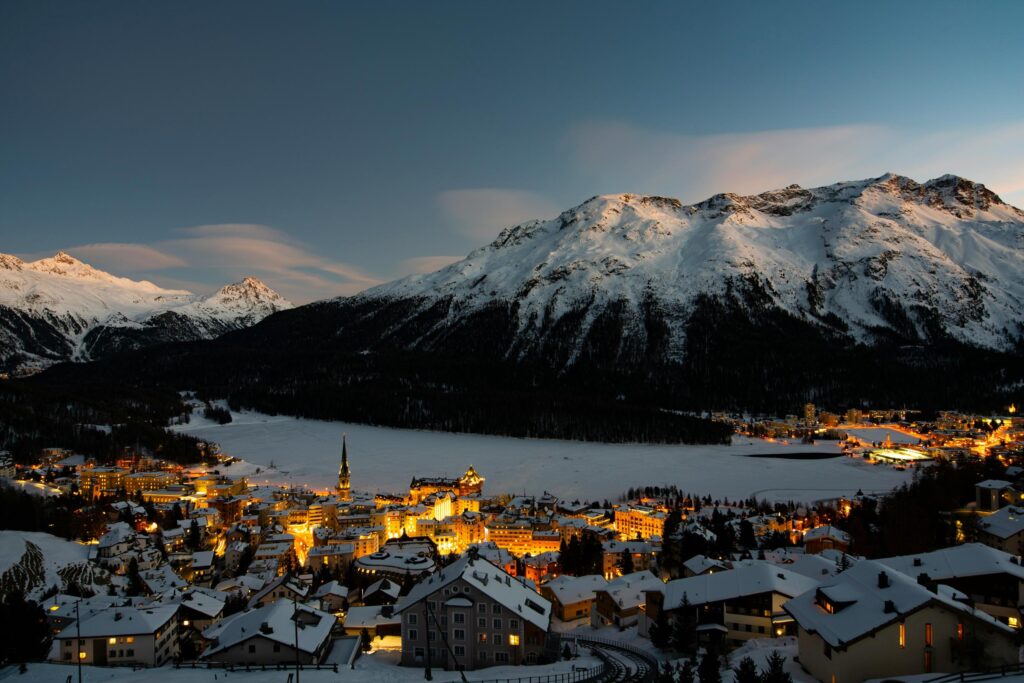

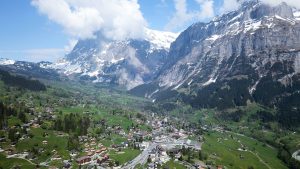
Covering 60% of Switzerland, the Swiss Alps are a mountaineer’s paradise, boasting the highest concentration of 4,000-meter peaks in Europe. Home to the iconic Matterhorn, the region prides itself on the pristine infrastructure, multilingual hospitality, and Swiss efficiency. It is a landscape that oozes luxury, offering high-end resorts and picture-perfect views at every turn.

Our Top Towns: Interlaken, Grindelwald, Zermatt, and Andermatt.


[Photo Credit: Sepp Rutz via Unsplash]

The French Alps: The Ultimate Variety

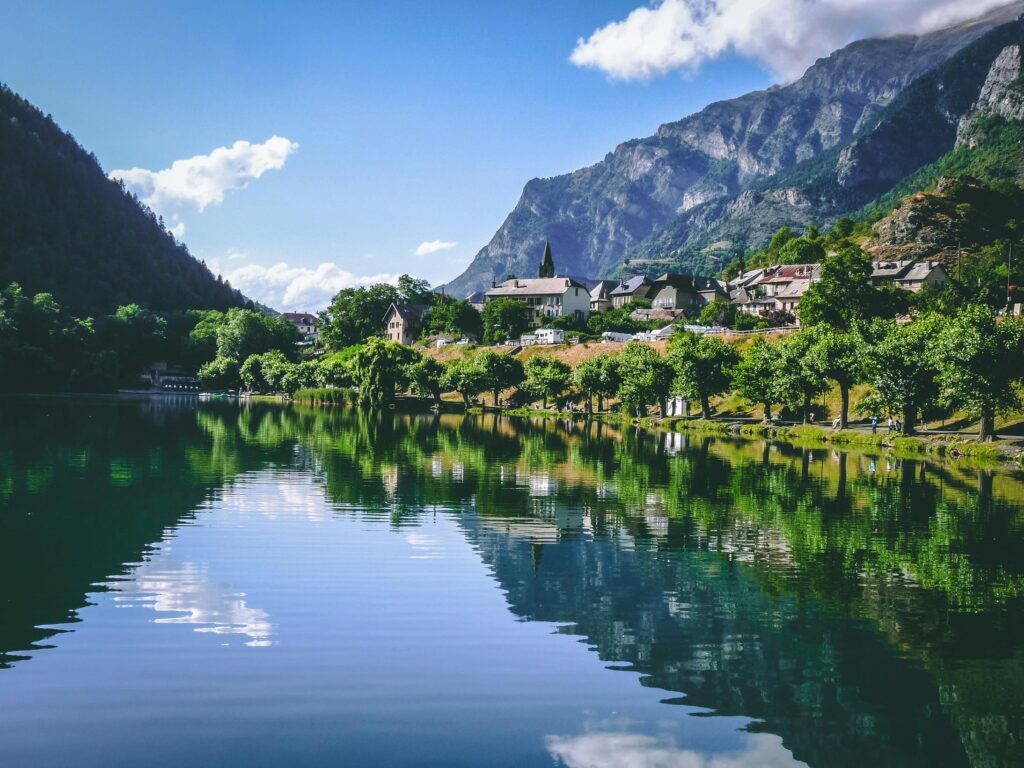
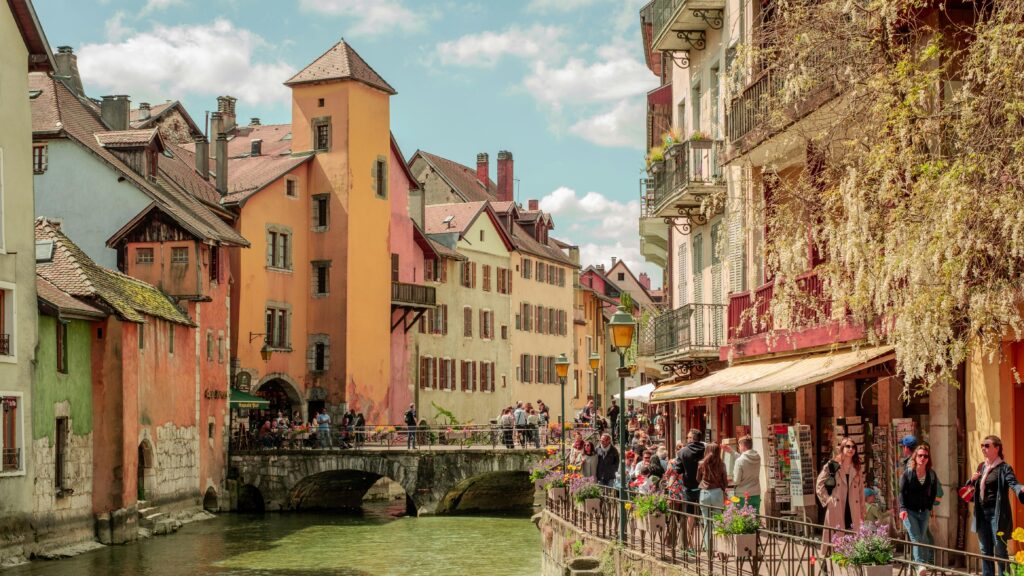
Stretching from Lake Geneva to the Mediterranean, the French Alps are all about diversity. You will find everything from the snow-capped heights of Mont Blanc to rolling meadows and alpine lakes.

Here, the Savoyard culture is the heartbeat, evident in the hearty menus featuring fondue, raclette, and tartiflette. And, the towns buzz with history and energy, offering a perfect pivot between a winter wonderland in the north and sunny Mediterranean getaways in the south.

Our Top Towns: Chamonix, Aix-les-Bains, Grenoble, and Chablis.


[Photo Credit: Clary Garcia via Unsplash]
The Italian Dolomites: Dramatic Beauty and Warmth
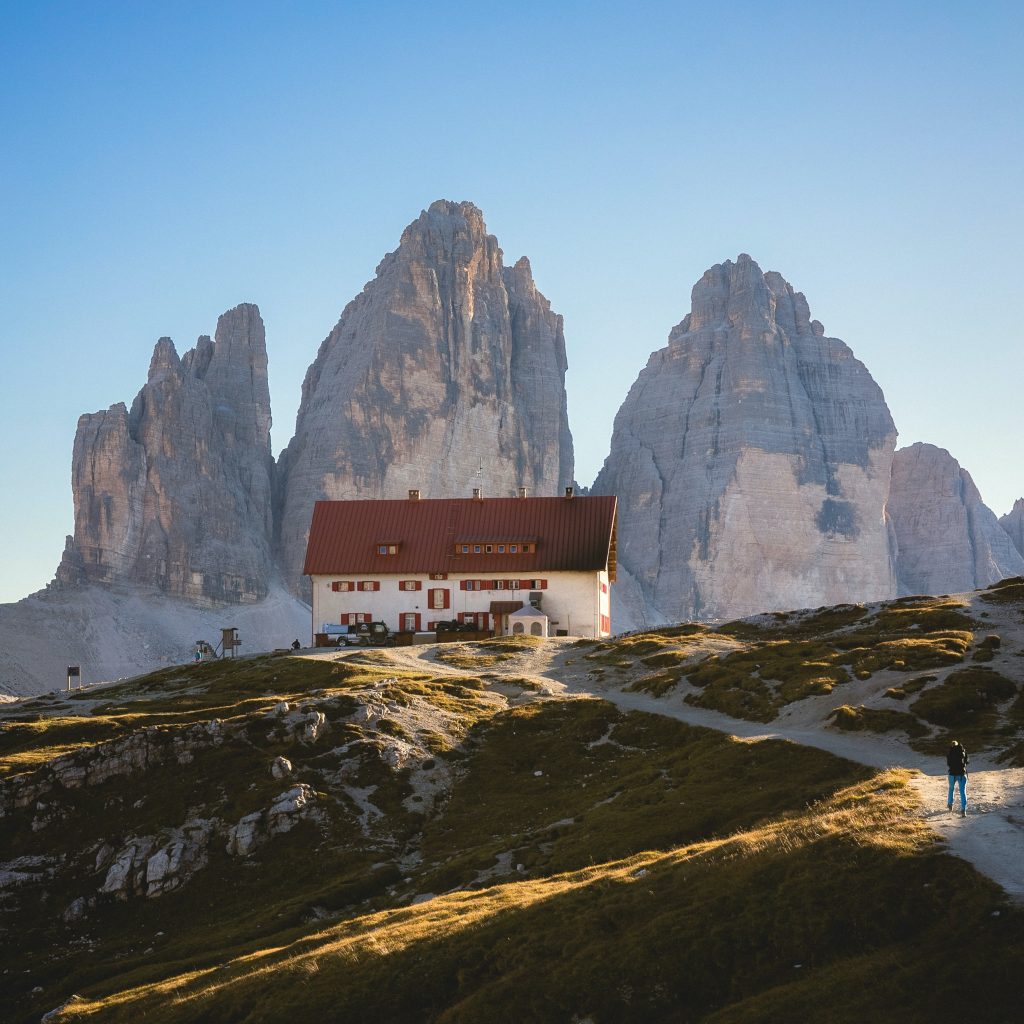

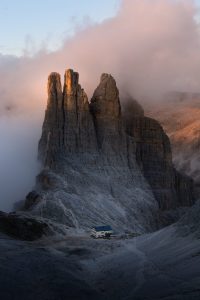
three imposing mountain spires behind a inn on a hill in the Dolomites

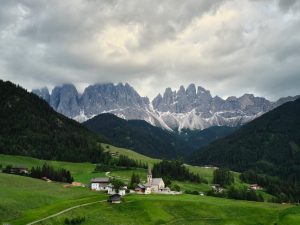
Located in the north-eastern corner of Italy, where Switzerland and Austria meet, the Dolomites offer effortless charm. This region uniquely blends German and Italian cultures, resulting in top-quality food and warm, welcoming hospitality. The landscape features dramatic, steep cliffs and winding roads leading to hidden gems.

Our Top Towns: Ortisei, Dobbiaco, Castelrotto, Bolzano, and Santa Maddalena.


[Photo Credit: Valdemaras D via Unsplash]

What’s the Vibe?
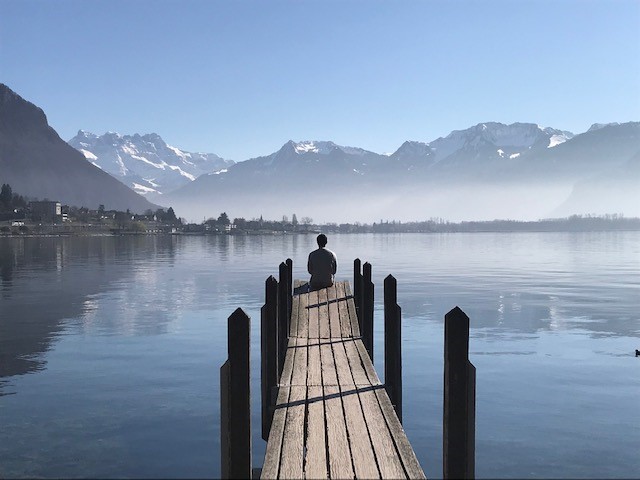
woman at the end of a dock in Switzerland

The Swiss Alps have a timeless sense of luxury and refinement. Here, you feel the respect they have for the incredible nature while managing it with precision. The Swiss Alps exude a calm but sophisticated atmosphere.

The French Alps offer a balance between the luxurious Swiss and laid-back Dolomites. With a lively atmosphere where culture, gastronomy, and sport collide, it feels like a celebration of life in the mountains.

Rustic and slow-paced, the Dolomites feel more like a home than a resort. The blend of cultures creates a unique, laid-back atmosphere where you are welcome to simply enjoy the jaw-dropping scenery.


[Photo Credit: Usha & Mark via Shared Adventures – read about their Switzerland Adventure here! ]

Budget Expectations

The Swiss Alps are the premium option. Expect to pay a significant premium for accommodation, dining, and lift passes. However, the quality of service and infrastructure is world-class, justifying the cost for those seeking the ultimate luxury experience.

While luxury exists, the French Alps are known for excellent value, particularly in the “lesser” known villages and self-catered chalets. You can find high-end experiences, but the region also offers some of the most affordable lift passes and accommodation in Europe.

The Dolomites generally offer better value than the other two Alps. You can enjoy high-end dining and accommodation without the Swiss price tag, thanks to the region’s focus on authentic experiences over pure luxury.

In Winter

a red train traveling through snowy mountains towards the matterhorn in Switzerland

The Swiss Alps in winter offer luxury, functionality, and classic Swiss efficiency. The experience is luxurious: private chalets, Michelin-starred dining, and exclusive spa facilities. Well-run trains wind through the mountains connecting the elegant towns. This is certainly the most comfortable winter holiday available.

[Photo Credit: Kevin Schmid via Unsplash]

For skiers, the pistes are impeccably groomed, and the lifts are reliable. While the Swiss resorts do feature beginner areas separated from the main slopes, the Swiss Alps suit intermediate and expert skiers best. Mid-level adventurers can find long, smooth red trails, and the high-altitude challenging off-piste areas are an adrenaline seeker’s dream. The culture here is more polished than the wild off-piste slopes of the French Alps, giving you stupifying speed that still requires heart-pumping precision and control.

The French Alps are the home of serious skiing. The interconnected “Grand Massif” or “3 Vallées” (the world’s largest ski area) offers thousands of kilometers of perfectly groomed blue and red runs. You can ski for a week without repeating a trail, from powder hounds in Chamonix to families enjoying gentle slopes.
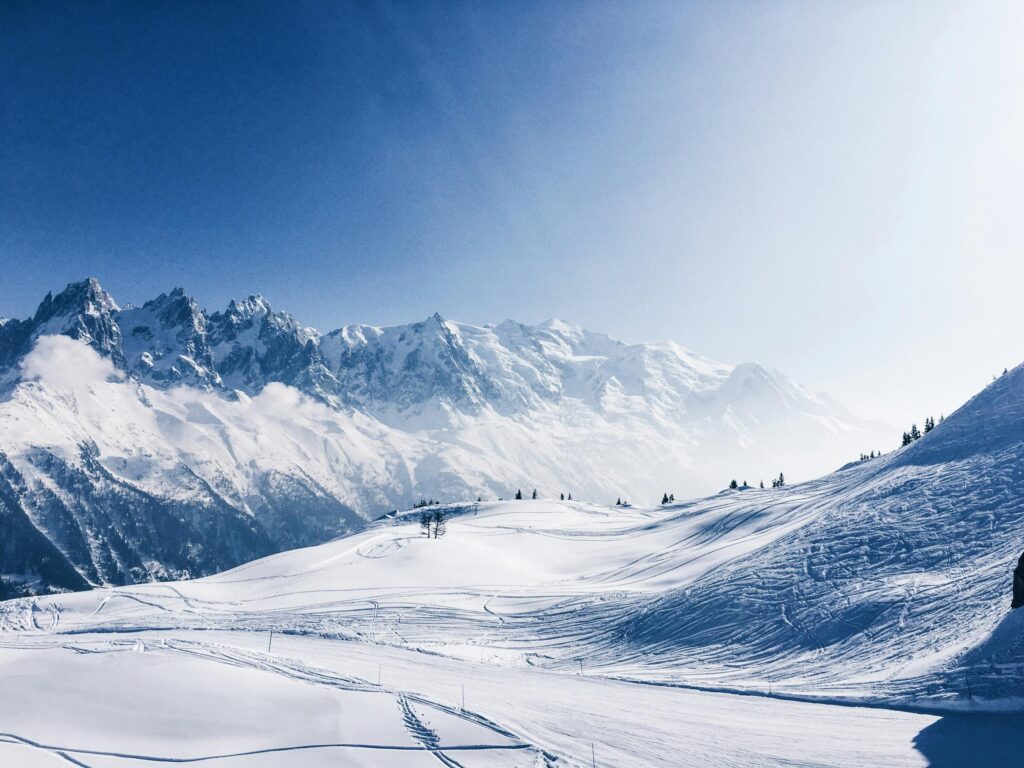
The French system is exceptionally friendly to novices. Towns like La Plagne and Méribel offer vast, gentle green runs that feel endless, allowing learners to build confidence without the intimidation of steep terrain. The “Family” ski areas are designed specifically for first-timers. Those looking for expert adrenaline runs can find it in the Chamonix glaciers, but these slopes tend to be a little more wild.

[Photo Credit: Chris Biron via Unsplash]

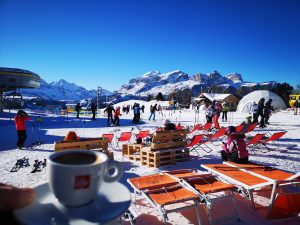
The Dolomites offer a more relaxed winter experience compared to their French and Swiss counterparts. The famous Sella Ronda circuit is perfect for all levels, with runs that weave through dramatic limestone peaks. The views alone make the skiing a joy. The infrastructure is there, but definitely less efficient and punctual than in the Swiss and French Alps. Certainly, there is no rush. For beginners, the slopes are gentle and the atmosphere is incredibly welcoming. The advanced runs are wild and rocky – rather than speed the focus here is on scenery and technique.
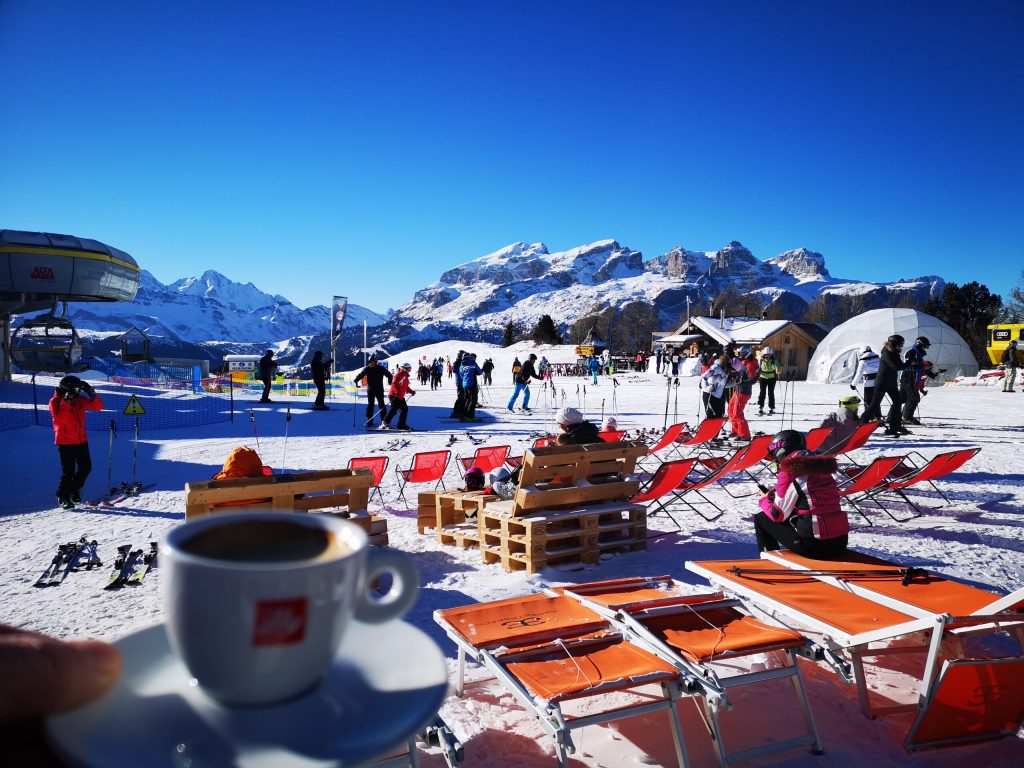
an italian espresso in the foreground and a ski resort in the background Dolomites Italy

Of course, being in Italy, the Dolomites are also perfect for foodies. Gourmet ski huts host the sciare con gusto – taste for skiing. Each year, ten Michelin-starred chefs from across Italy pair with mountain huts to create a signature dish inspired by the local cuisine. This involves a self-guided or tour route of tasting and skiing between each stop.

[Photo Credit: Vlado Sestan via Unsplash]

In Summer

The Swiss Alps are equally captivating in the summer. Keeping with the theme of effortless infrastructure, the Swiss Travel Pass makes exploration easy. Furthermore, you can use it to hop on scenic trains, cable cars, and boats. These Alps are the perfect destination for those who want to experience the mountains with zero logistical stress.

[Photo Credit: Ricardo Gomez Angel via Unsplash]
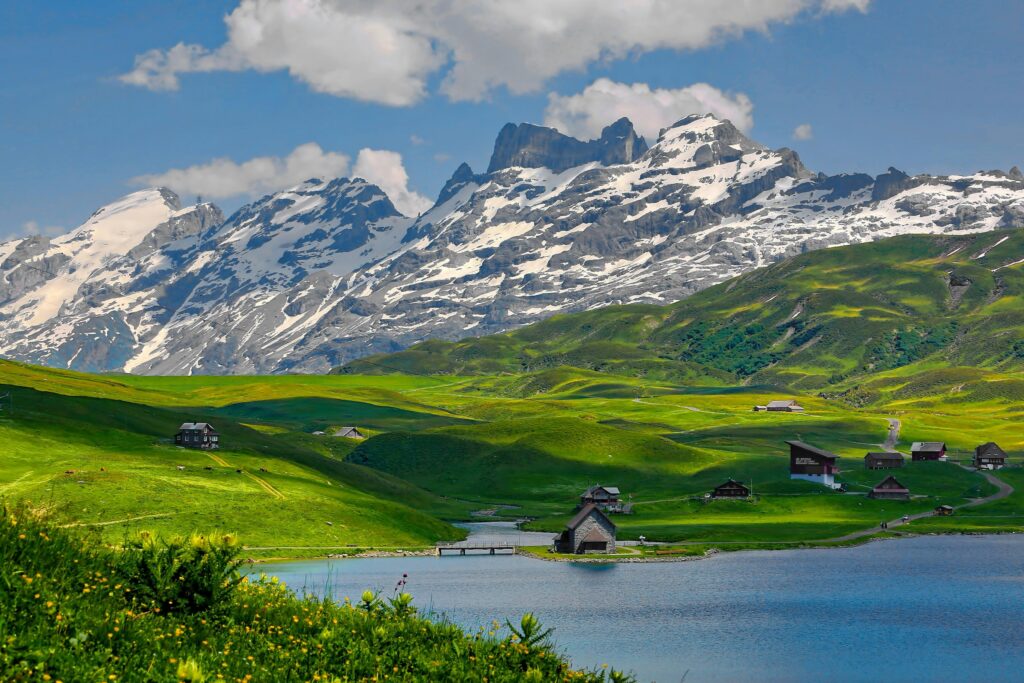
Summer in the French Alps brings warm, sunshiny days and an explosion of verdant green. Additionally, hiking trails are extensive. Like their ski slopes, the trails range from easy alpine lakes to challenging high-altitude treks. The weather is generally warmer than in the Swiss or Italian sectors, making it ideal for those who want to combine mountain air with a taste of the Riviera.

[Photo Credit: David Amar via Unsplash]

Compared to the Alps, the Dolomites have little of the efficient infrastructure, but they are a hiker’s and cyclist’s dream. The winding roads are a paradise for road cyclists, while the trails offer breathtaking views of the jagged peaks. Compared to the others, the culture here is slower, inviting you to linger over long lunches and explore hidden villages. The locals welcome you with open arms, and the scenery astounds.

[Photo Credit: Giorgi Shakarashvili via Unsplash]
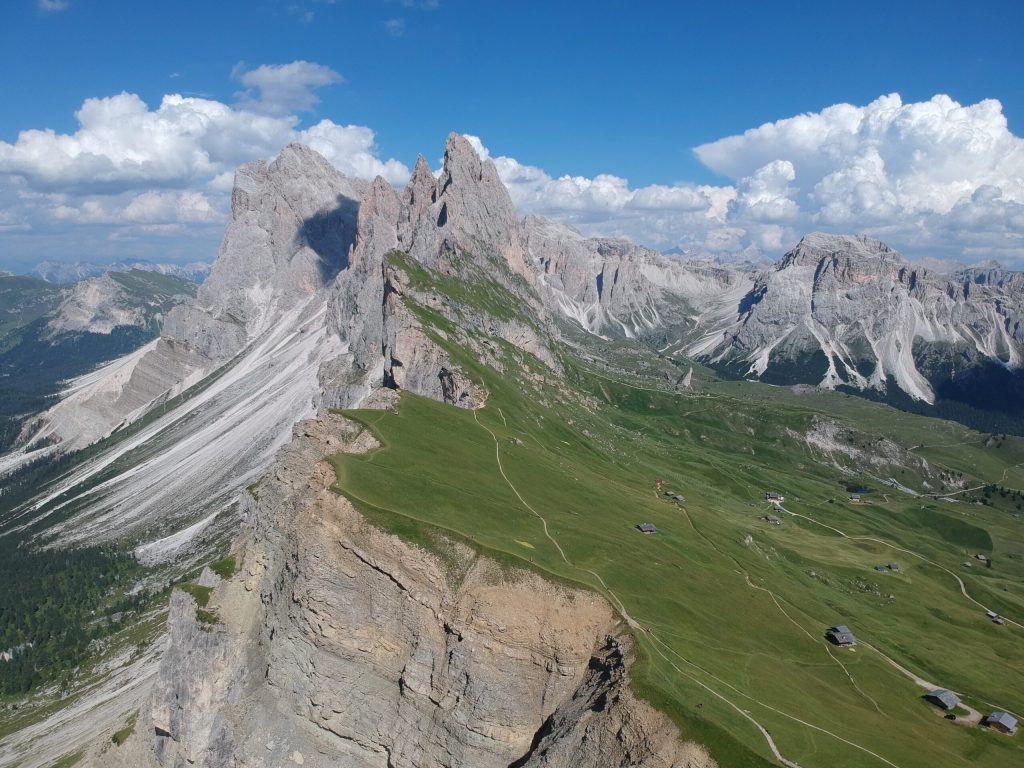
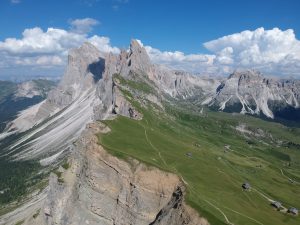
an imposing mountain ridge with a sheer drop on one side and soft grassy hills on the other and imposing mountains in the background Dolomites Italy


No matter which range you choose, the mountains are calling. Let us know which one resonates with your travel style, we can’t wait to begin crafting your perfect itinerary.
The Diversity of The Dolomites

Dolomites Guide Pin
Pin it for Later!

Le Dolomiti aren’t generally top of mind for Americans planning an Italian adventure but they should definitely be added to the list. Located along the Italian-Austrian border, just a few hours north of Venice, the Dolomites offer a breath of fresh air and scenery that will leave you speechless. Jagged pale mountains tower over green rolling hills, towns and villages mix Austrian Chalets with sunny Italian piazzas, medieval churches, and modern world-renowned restaurants. Reliable snowfall creates a winter wonderland of luxury ski resorts and breathtaking snowshoeing paths, while the lush alpine meadows burst into bloom along the hundreds of hiking trails and glacial lakes in the summer. These mountains are a nature lover’s paradise, but you don’t have to be an expert hiker or mountaineer to enjoy the trails, which range from leisurely walks to rock climbing. The Dolomites are a great travel alternative to the Swiss Alps and the perfect starting or ending to your adventure around “The Boot.”


The Basics

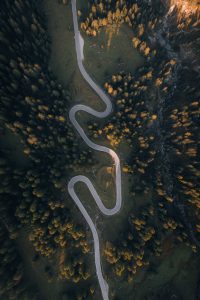
looking down on a winding road surrounded by trees

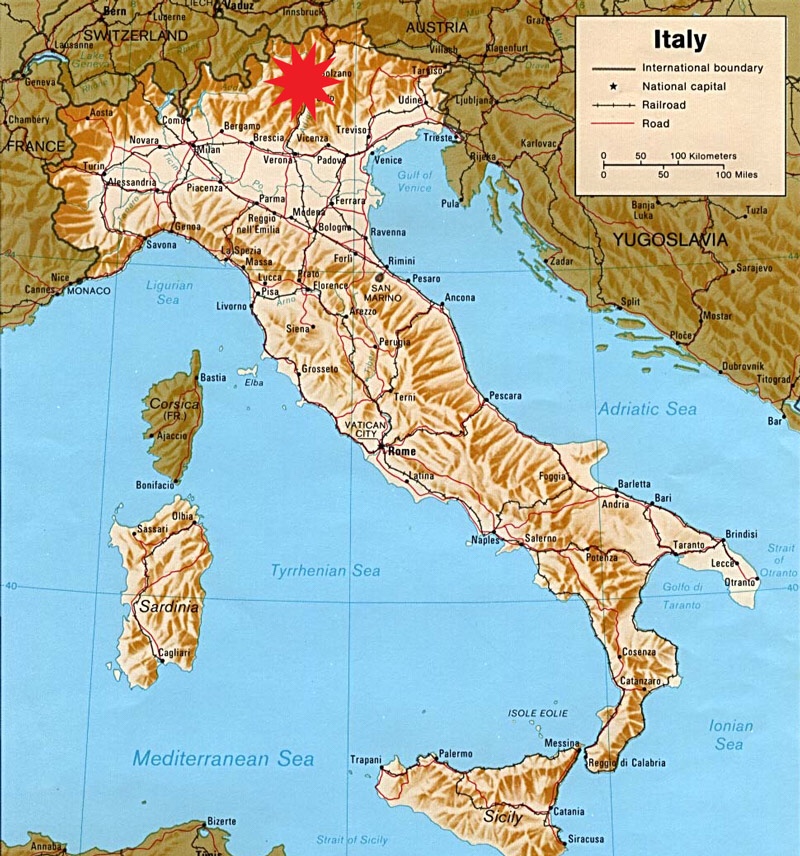
Getting Oriented: If you’re not familiar with exactly where the Dolomites are, that’s okay. You’re not alone. Here’s a helpful map to put the general location in perspective.

Getting Around: The closest airports available are either Venice or Innsbruck and from there you’ll need to take a bus, train, or car into the mountains. Towns both large and small are connected by a network of bus and rail lines, so getting around without a car isn’t impossible. However, if you want to be on your own schedule and arrive early at the more popular sights, we recommend renting a car. The famous Grande Strada Delle Dolomiti cuts through three alpine passes and is one of the most beautiful scenic roads in Europe. With lots of twists and turns without being too hair-raising, driving this road is reason enough to rent a car — just make sure you get an International Driver’s Permit before you arrive! 

[Photo Credit: Luke Stackpoole via Unsplash]

Weather- the Dolomites are characterized by short summers and snowy winters. Though both seasons enjoy brilliant sunshine since the Dolomites receive more sun than any other region of the Alps. There are two peak tourist seasons: the height of summer and the depth of winter. In the in-between seasons, you’ll find very few crowds but unpredictable weather, and most businesses and mountain huts closed. Summer Season begins in mid-June and lasts through August for warm sunny days. For all things snowy, the winter season lasts from December until the last snow in early April. 

an imposing spire mountain towers above a small local Inn in the Dolomites Italy

Rifugio – in addition to the range of wellness spas, hotels, chalets, and alpine cabins, the Dolomites give you the option of staying in a rifugio. Meaning refuge, these small inns are dotted along the trails in the heart of the mountains. When hiking from peak to peak you can stop for a delicious warm meal, a hot shower, and a bed for the night. You’re always welcome to stop in for a bite, but beds will have to be reserved well in advance. Rifugios are only open during the peak seasons and range from a dorm bed to romantic private rooms. Waking up to see the sunrise while ensconced in the mountain peaks makes staying at least one night in a rifugio a must-do when hiking in the Dolomites. 

[Photo Credit:Ruud Luijten via Unsplash]

Multiple Languages – due to its diverse history of cultures and borders, the Dolomites have four official languages: Italian, German, Ladin, and Friulan. German and Italian are spoken equally depending on the town and the person. In this case, multiple languages mean at least two names for each place! The German and the Italian names often don’t resemble each other in the slightest. While the buses and s,.[igns will have both the German and Italian versions when you ask the locals you may only get one or the other. We recommend noting down both names to help minimize your confusion. 

Where to Stay

With 26 mountain ranges stretching across five provinces, the Dolomites cover a lot of ground. To make sure you don’t spend more time driving than experiencing, we recommend selecting only 2-3 areas to explore during your trip. The most popular regions in the Dolomites can be broken up into about 5 slightly overlapping areas, each with diverse highlights but all with stunning beauty and excellent outdoor activities.

Alta Pusteria/ Hochpusterta

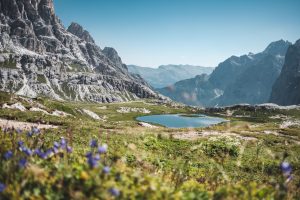
a beautiful mountain lake surrounded by grey jagged mountains in the Dolomites Italy

In the north-eastern corner, bordering Austria is the very popular area of Alta Pusteria. Along with the charming romantic towns and impressive mountain views, you’ll find a focus on wellness, gastronomy, and some of the most Instagram-famous sights. Alta Pusteria is perfect for tiny churches, extensive bike paths, exploring castles, enjoying lakes, and taking a restorative bath in the sulfurous waters.

[Photo Credit: Jonas Verstuyft via Unsplash]

Top Sites: 
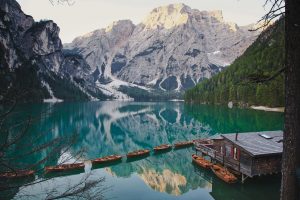
Lago di Braies/Pragser Wildsee– the most famous and most beautiful lake in the Dolomites – enjoy the turquoise water by taking the 3.5km easy walking circuit around it, hire a boat to explore from its center or brave a swim in the glacial waters. 
Tre Cime/Drei Zinnen– the poster picture for the Dolomites, these three tall spires have created their own holiday region and national park. You could spend days hiking the trails in and around them, though their main circuit is a 3hr 10.5km trail. Head counterclockwise on the circuit for the best views from within or get an amazing view of the peaks themselves from the steep trail in Val Fiscalina to Rifugio Locatelli.

Towns to Stay in: 
Dobbiaco/Toblach – the largest and oldest town in the region. This charming village is the closest hub to Lago di Braies. Austrian cottages and luxury food await your stay.
San Candido/Innichen– a delightfully small hamlet close to the Austrian border but still with an Italian piazza in its center. It is often called The Gem of Val Pusteria. 

[Photo Credit: Jeison Higuita via Unsplash]

a turquoise lake reflecting a stoney mountain and surrounding forest with a line of wooden boats and boathouse on Lago di Braies Italy

Belluno/Belum

looking down on a small town between two imposing mountains in the Dolomites Italy

Often considered the gateway to the Dolomites, Belluno is a perfect base for exploring the eastern range. Eighty percent of the mountains are in the Belluno province so the sites to see are extensive. Glaciers, waterfalls, forests, and shopping, Belluno offers a lot of options, making it the perfect spot for those who want to try a bit of everything.

[Photo Credit: Julian Villella via Unsplash]

Top Sights
Rifugio Nuvolau– The oldest rifugio in the Dolomites and one of the best balcony views of the mountains. 
Lago di Sorapis/Sorapissee– the slightly hidden lake is a two-hour hike from Cortina but worth the otherworldly views. 
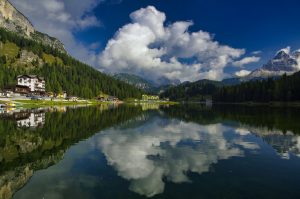
Lago Misurina/Misurinasee– clear water reflects the contours of the craggy mountains in this Pearl of the Dolomites. Easily reached from Alta Pusteria, this lake’s special microclimate makes it a center for respiratory health.
Val di Zoldo– a small alpine valley that is the heart of the mountaineers’ villages. This hidden gem is not very busy, so it feels very authentic and genuine. From here you can take the trail to Lago Coldai for a swim. 
Monte Cristallo/Hohe Schneide– in the center of the Dolomites, this mountain features four peaks that can be reached by cable car, mountaineering, or skiing. 

Towns to Stay In: 
Cortina d’Ampezzo– the most famous town around, often called the Queen of the Dolomites. Cortina is the jet-set, trendy and worldly fashionista town nestled in mountainous craggy spires. Not only can you easily get to Tre Cime and Lago di Braies from northerly Cortina, but you can also access a huge number of amazing peaks. But Cortina offers more than just alpine lakes and mountain hikes. Enjoy shopping, gastronomy, and entertainment of all kinds. For those who want a rounded luxury Dolomites experience, this is the place to start.

[Photo Credit:Piotr Guzik via Unsplash]

a large lake reflects the green trees and cloudy sky in the Dolomites

Val Gardena/Gröden

an italian espresso in the foreground and a ski resort in the background Dolomites Italy

This is the perfect place for those who want to leave their own transport behind and explore as much as they can from one spot. The beautiful Val Gardena boasts a colorful Ladin culture making it a truly unique experience. This culture-rich valley enjoys a slightly longer summer than other areas- often staying open until mid-October. It also features the most famous ski slopes – Sella Ronda. A network of cable cars and ski lifts connect 300 slopes, meaning you can ski all day without repeating a run.

[Photo Credit: Vlado Sestan via Unsplash]

Top Sites: 
Seceda Ridgeline– a jaw-dropping photo opportunity, the ridge is a two-hour hike from the gondola or a 5hr hike from the bottom. 
Passo Pordoi– the highest surfaced road through a pass- you can take a cable car to the top and find yourself between the Sella and Marmolada peaks. 
Monte Pic/ Pitschberg– not as well known, but you will be rewarded with stunning 360 views of the more famous peaks and you won’t have to share the view with anyone else. 

Towns to Stay In: 
Ortisei/ St Ulrich– the busiest town in Val Gardena because it’s the perfect home base. With several different chairlifts to the top peaks located in the center of town, you don’t need to worry about driving around to reach the amazing views.
Santa Cristina/St Christina– a tiny town located near Ortisei which gives you access to many of the lesser-known trails with fewer people.

[Photo Credit: Giorgi Shakarashvili via Unsplash]

an imposing mountain ridge with a sheer drop on one side and soft grassy hills on the other and imposing mountains in the background Dolomites Italy

Alta Badia/Hochabtai

grassy hills with a little hamlet in the center give way to forest and then imposing grey mountains in the Dolomites Italy

If you only have a short stay in the Dolomites then Alta Badia is the perfect place to spend it. This area features magical fairytale-like valleys, romantic locales, superb food, and extreme sports. Closely connected with Val Gardena, you’ll find some of the Sella Ronda slopes and the unique Ladin culture here as well. Enjoy the storybook landscapes, wellness facilities, and quiet alpine luxury.

[Photo Credit:Massimiliano Coradini via Unsplash]

Top Sites: 
Piz Boè– the highest peak of the Sella massif- this can be a challenging climb but the on-top-of-the-world feeling is worth it. 
Sasso di Santa Croce/ Ciaval– a breathtaking hike considered one of the most beautiful in the area. With a huge abundance of flora and fauna and mind-boggling views over the lush green valley. 
Cascate del Pisciadù– a picturesque hike through wildflower meadows lead to this thin 150m waterfall. This short hike is about an hour each way and can be done at a leisurely pace. 

Towns to Stay In: 
Corvara/Kurfar is located in the very center. It features many gondolas up to the peaks and is close enough to walk to the nearby villages. You can also enjoy any of the Michelin Star restaurants or play a round of golf at the club.
San Vigilio di Marebbe/ Vigil in Enneberg– a gateway to the Fanes-Sennes natural park this tiny hamlet emphasizes the romantic contrast between the wild and tame landscapes.

Alpe di Siusi/Seiser Alm

a green valley of hills with imposing craggy grey mountains in the background Dolomites Italy

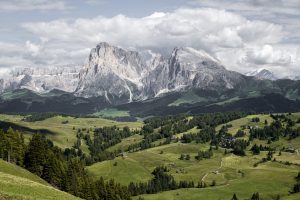
The largest alpine meadow in Europe, with green rolling hills, wooden cabins, and not a car in sight. You can explore the meadows and pastures on horseback, between the scattered farms, or even go bathing in Lake Fie. Gentle soft green meadows and legends of witches and elves make this a delightful spot, especially for families. 

[Photo Credit: Pietro de Grandi via Unsplash]

Towns to Stay In:
Castelrotto/Kastelruth– the largest village at the foot of the region. A resort town that features a family-friendly ski park in the winter and a crisscrossing series of trailheads in the summer. 
Tires/ Tiers– a holiday village that is the definition of ensconcing yourself in nature. This tiny hamlet is best explored in summer with the many trails and climbing routes. 
Bolzano/Bozen– though not strictly in the area, Alpe di Siusi can be easily reached from the large city of Bolzano. This is truly a bustling city with castles, museums, and the opportunity to see the famous Iceman. 

[Photo Credit:Lukas Leitner via Unsplash]

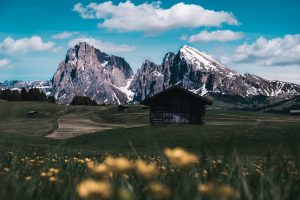
looking at a flower dotted grassy meadow with wooden huts and imposing craggy grey mountains in the background in the Dolomites Italy

The Dolomites offer so many options and so much to explore it’s definitely an Italian destination you will want to visit again and again. If you feel inspired to plan a mountain adventure and need help choosing the best itinerary – let us know!

A Winter Honeymoon in Northern Italy

Shannon and Lou were excited to have a Christmas Honeymoon in northern Italy. They wanted to see the beauty of the snowy Dolomites and Swiss Alps while still experiencing a few classic Italian spots like Venice, Milan, and Bologna! I was so pleased to hear they enjoyed the delicious food and the stunning landscapes Northern Italy has to offer.

Here’s their trip report:

Hi Ann!

We had an AMAZING time!! We loved every part of the trip. 

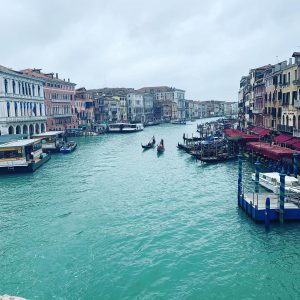
view of the grand canale in venice from the Rialto bridge

The Venice hotel [Ca’ Sagredo Hotel] was perfect, very accommodating and they gave us great dinner recommendations for local restaurants to avoid the touristy spots. 


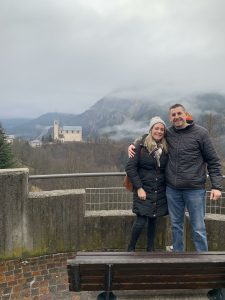
honeymoon couple in the Dolomites Italy

We absolutely loved the
trip to the Dolomites

[also featured at the top photo]


as well as the guided walking tour and the walking food tour.  The only thing that I would maybe tell future guests is the Venice walking food tour was a little heavy on the alcohol (full glass of wine at every stop), which is definitely not a problem, but I could see how it might be if lunch or afternoon drinks before the tour were consumed lol. Regardless we loved it and had a great time but just something to keep in mind!

Bologna was also great, food was absolutely fantastic and we really enjoyed exploring the city.  We LOVED the foody tour to Modena with the winery, balsamic vinegar tour and Parmesan cheese. This tour was one of our favorites by far. The lunch provided was excellent.

The hotel in Bologna [Starhotels Excelsior] was good, the only thing I would maybe warn other guests of is that they do allow smoking in this hotel. We were on a non smoking floor but regardless I think it would be bothersome to some who have asthma/other sensitivities. The proximity to the train station here was very convenient for traveling.


We spent the day on Sunday walking up to San Luca from the hotel, which is definitely more than a workout but the views are incredible and highly recommend to anyone else traveling to Bologna with some free time! 

Finally, Milan and our trip to the Swiss Alps were absolutely stunning!

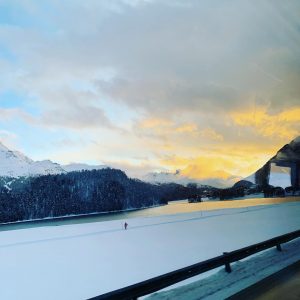
sunrise in northern italy view of cross country skier next to lake

I would recommend anyone taking this trip to find something open to eat in advance to getting on the bus at 0700 in Milan. There was a small stop for coffee/snacks but pretty limited. You were right that most things were closed on 12/24 and 12/25.


We also found that mostly everything was closed on the 26th as well- public holiday. Regardless by this point in the trip we were tired and just really happy to relax. It was nice to walk around the city on Christmas without all of the crowds of people.


This hotel [Chateau Monfort] was excellent. Staff went above and beyond for us for dinner recommendations and anything else that we needed. Spa here is also excellent if you have future guests looking for that experience- they allow you to use the sauna, salt pool, relaxation room without booking a treatment. I know we discussed with you already but by the 26th we were just kind of done with the tours and decided not to go to Turin, although I’m sure it would have been lovely. We had a great detox day in the spa in its place 🙂

I don’t think there is much we would have done differently! The transfers to and from the airports were extremely helpful to have booked in advance. Additionally, traveling by train between cities was very easy.

Thank you for all of your assistance and guidance! We can’t wait to plan our next trip!!

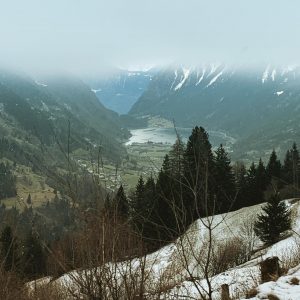
wintery scene of italian dolomites

Wishing you a happy and healthy New Year!

Shannon and Lou

You provided excellent guidance for us. I appreciated that you really had us think about what was most important to us when we were selecting the right cruise – and not to totally focus on what other people had to say. THANK YOU for helping to make this a memorable trip for our family! It really was a trip of a lifetime!

Clare and Mark (family cruise to Alaska)

The level of service we experienced was out of this world (and we did NOT make it easy on Ann). We weren’t quite sure where we wanted to go, when we would be able to go, or what “vibe” we were going for. After asking us some key questions (what we liked, didn’t like, why, etc.) Ann helped us narrow down our trip details and planned the honeymoon of our dreams. She helped book some of our excursions, answered some emergency questions while abroad and was always available/willing to help. I think it’s safe to say we won’t be using anyone else for future travel planning – Ann is a rockstar!

Carli (Italy and Spain)