


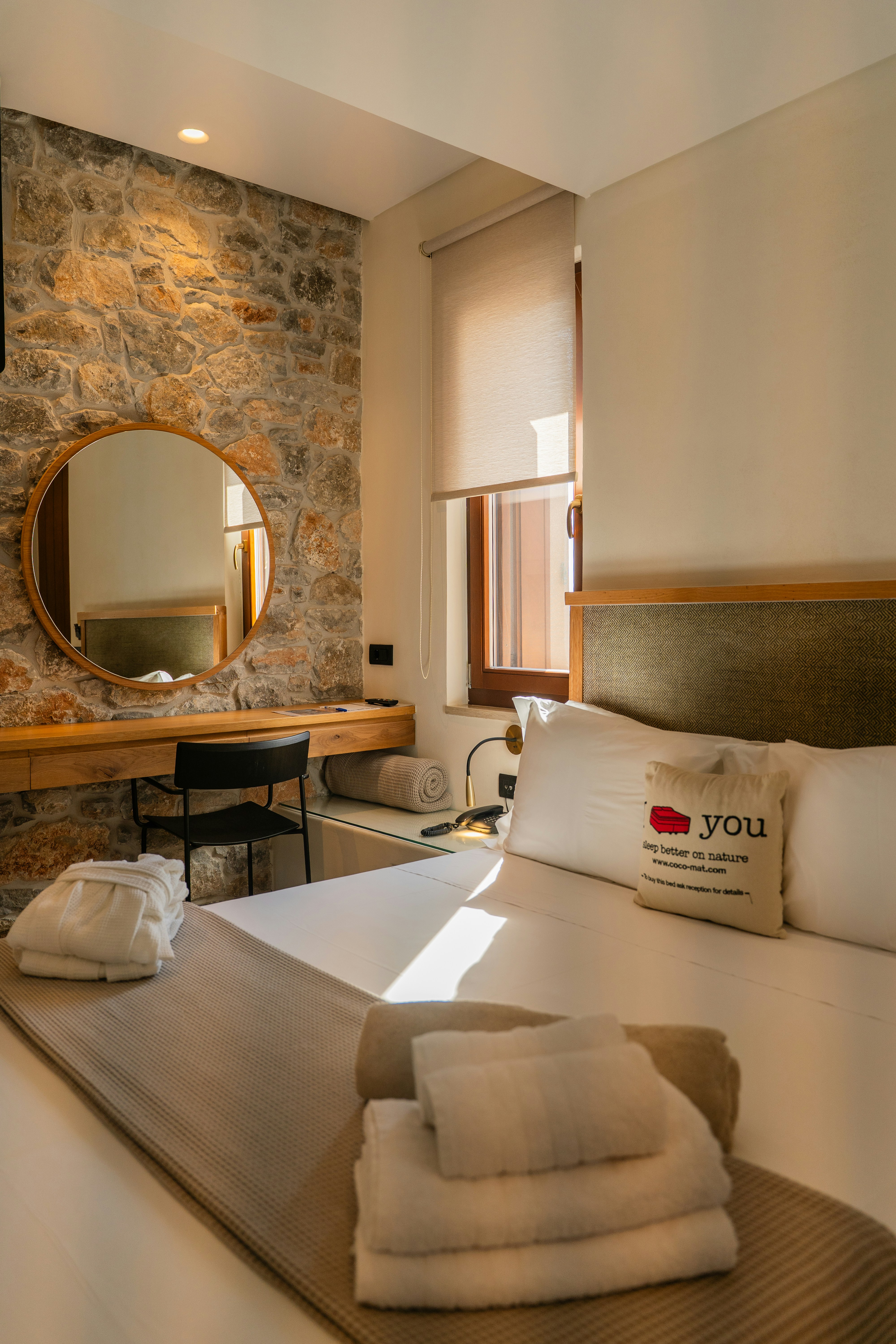
When discussing hotels with your travel advisor, you’ll hear the phrase “boutique hotels” thrown around quite a bit. But what does this actually mean? Other than not being a big chain, what exactly is a boutique hotel? And why do we love recommending them for our clients? Here’s our little introduction to what we mean when we say “Boutique Hotel”:
What Is a Boutique Hotel?
The base definition of a boutique hotel is a hotel with fewer than 100 rooms, a distinct character and style, intentional design, and a focus on personalized services.
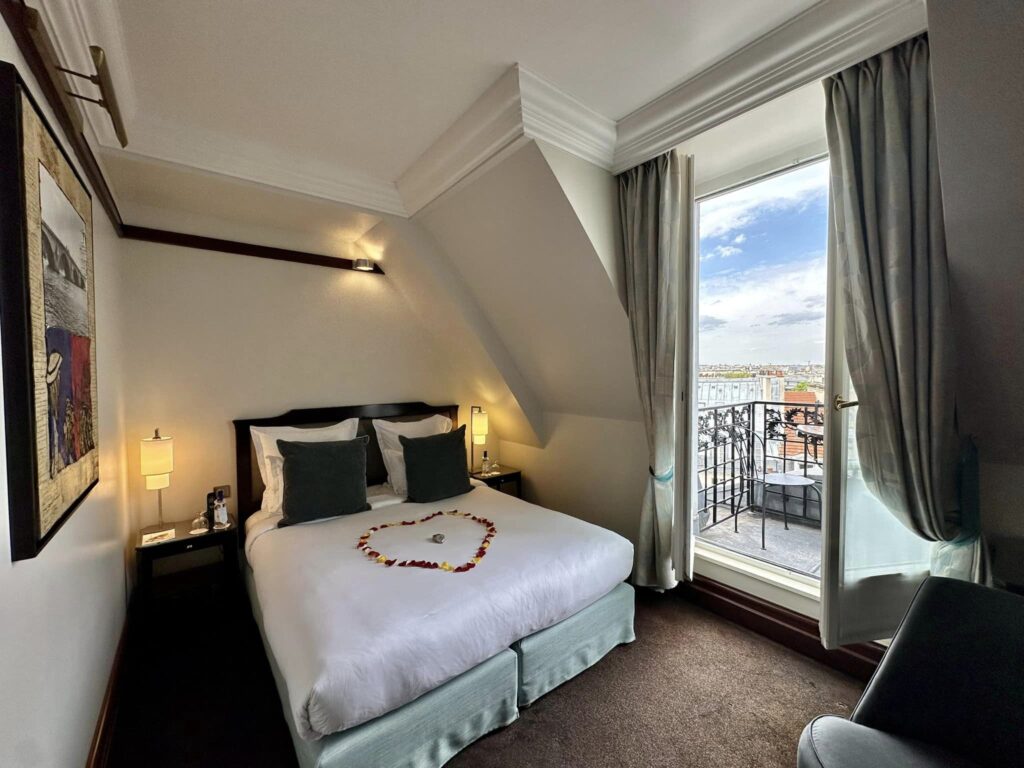
Size & Building: A small hotel of fewer than 100 rooms. Typically housed in a historic building or converted townhouse in the heart of a vibrant neighborhood. Picture solid hardwood floors underfoot, slightly oddly shaped walls, and tall windows framing a cobblestone street.
[Photo Credit: Nicole & Paul via Shared Adventures — read about their stay at Hotel Pont Royal and Anniversary adventure in Paris here!]
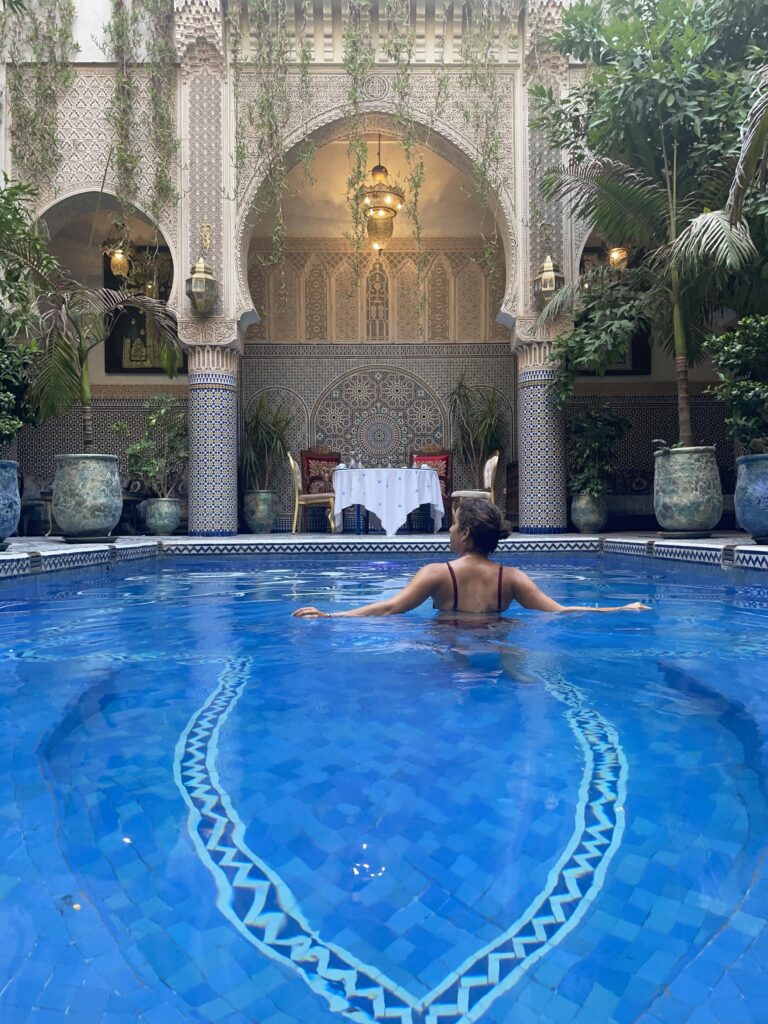
Aesthetic: Designed with a unique theme or central focus. No two rooms are exactly alike, and there is a strong sense of style in every detail. You’ll find local art leaning against a weathered plaster wall, bold colors catching the afternoon light, eclectic brass fixtures, and antique furnishings. They range from minimalist spaces with quiet character to rooms that are downright eclectic and alive with texture.
[Photo Credit: Alyssa from Shared Adventures — read about stay at Riad Salam Fes and adventure to Morocco here!]
Curated, Personalized & Local
A focus on connecting with the guests, keeping the staff-to-guest ratio low, and providing personalized touches and services. Everything has a sense of being intentionally selected — from the linen on the bed, to the small-batch soap in the bathroom, and the handwritten note on the pillow. You’ll often be greeted by name as you enter, and staff will remember your bar or coffee order.
Typically owned independently, the boutique hotel is tied to the place you’re visiting. It has a “sense of place”. From locally sourced meals served on handmade ceramics to experiences that connect you with local artisans in their workshops. The hotel is a reflection of the distinct vision of the owner and the destination itself.
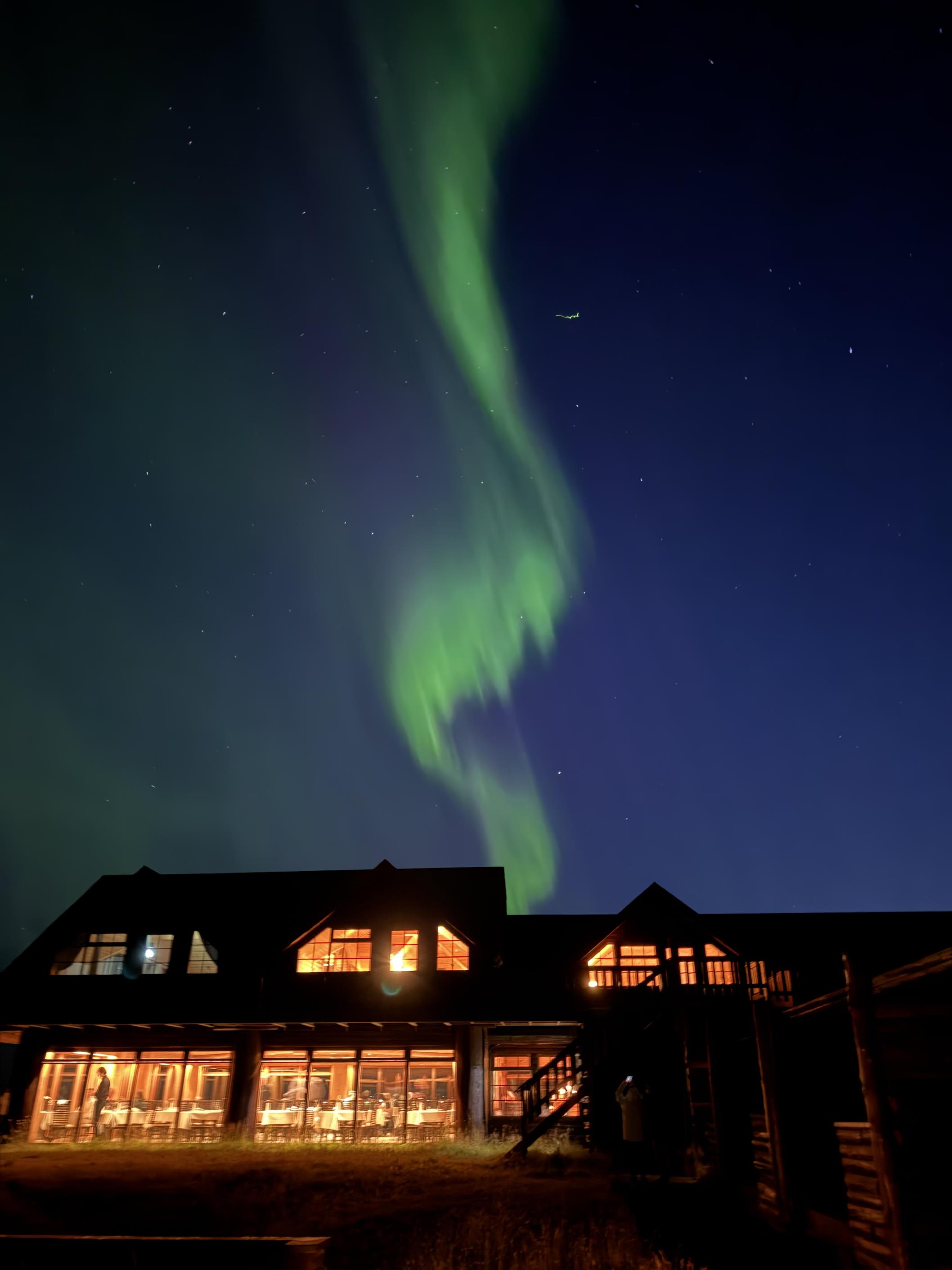
For example, Hotel Ranga in Iceland offers clients an aurora alert wake-up system. And some Tuscan hotels stock the rooms with their own home-made olive oil or wine.
[Photo Credit: Beth & Bob via Shared Adventures — read about their Iceland Adventure here!]
While other types of hotels may have some of these elements, each on its own does not a boutique hotel make. These characteristics work in harmony together to create a unique, personal, and memorable hotel experience.
Chain Hotels and Branded Boutiques – What do they offer instead?
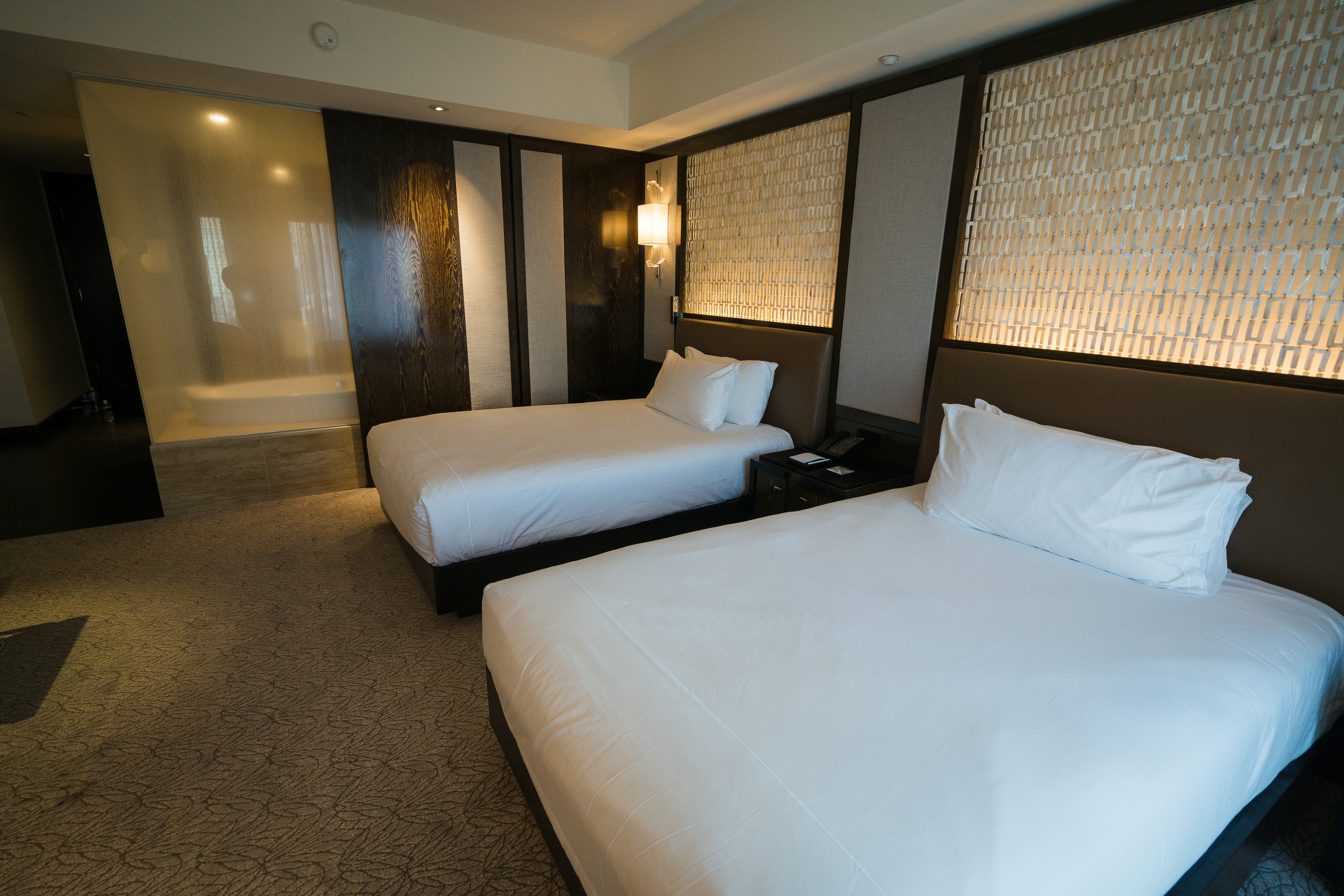
Chain brands offer the comfort of predictability. With a set corporate standard, you know exactly what to expect from a Marriott or Hilton. The same neutral tones on the walls, the same lobby scent, the same menu in every city. You may not be getting a particularly interesting experience, but you have the comfort of knowing before you arrive exactly what you’ll walk into. And if you’re a brand loyalist, you know that you’re earning those all-important points and rewards.
[Photo Credit: Frugal Flyer via Unsplash]
A boutique hotel, by contrast, used to mean a strictly independently owned property. A hotel created and envisioned by a single owner or family who are in no way beholden to “company standards.” You might find yourself in a former silk factory where the original loom beams still frame the ceiling. Or a family-run guesthouse where the owner’s grandmother’s recipes appear on the seasonal breakfast menu.
Since the rise in popularity of boutique properties, major hotel brands have created their own “boutique brands” within their larger portfolio. These include the Unbound Collection, Moxy, Kimpton, and 1 Hotels. These brands have endeavored to combine the aesthetic and intimate scale of a boutique hotel with the predictable standards of a chain.
Think of it as a middle-ground: the design-forward, locally inspired feel of a small property. Backed by the infrastructure and consistency of a larger group.
The result is a space that still feels handcrafted and place-specific, but is lacking the completely one-of-a-kind local connection. They do, however, boast the operational safety net of a recognized brand behind it.
[Photo Credit: Ann via Shared Adventures — at the Andaz Maui Hyatt Boutique Collection Hotel ]

Practically – What is the Difference Between a Boutique Hotel and a Branded Hotel?
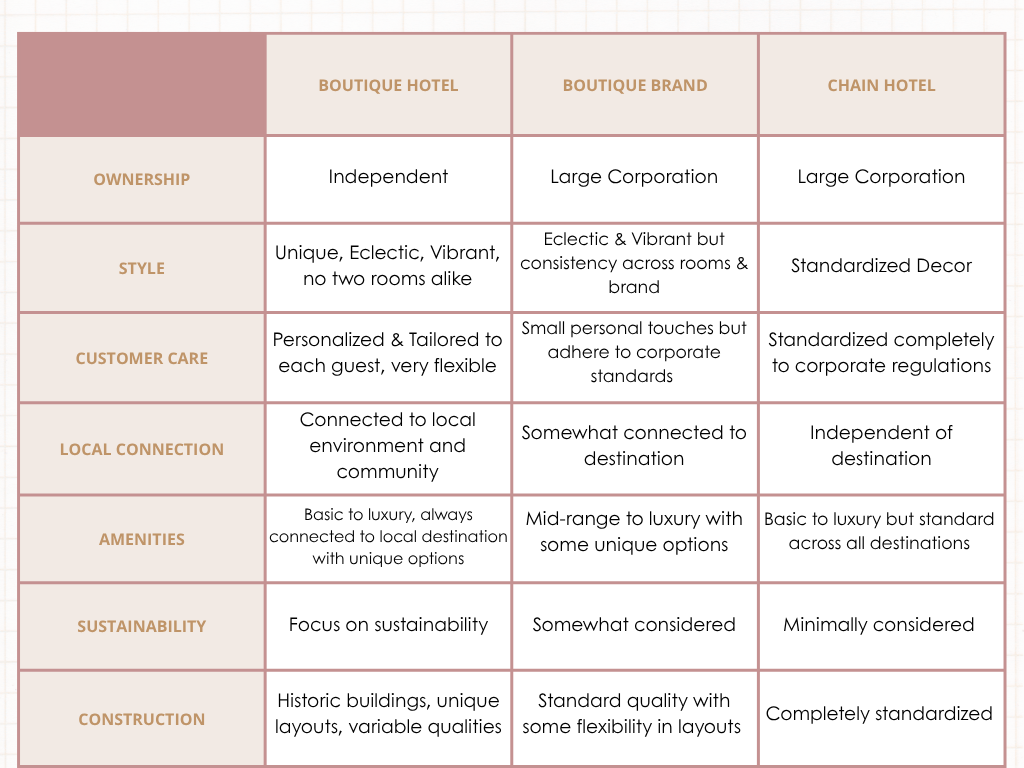
Why We Love Boutique Hotels
Boutique hotels offer a more private, human-centered stay. A place where the small size means you’re never just another room number.
Our clients, on the whole, travel to immerse themselves in a new place and culture. They want the hotel to provide a sense of place, and not to feel like they could be in any city back home.
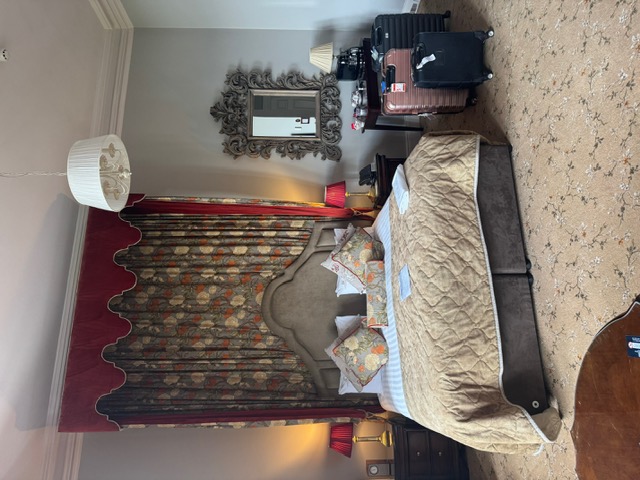
That is why we love booking boutique hotels. They are tied to the place you’re visiting. Shaped by the vision of their owners, and flexible enough to pivot to your individual needs. You can still enjoy spas, rooftop terraces, and well-stocked bars. But you’ll also find bikes waiting by the door and classes with local artisans.
[Photo Credit: Jennifer via Shared Adventures at Markree Castle Hotel, Ireland]
Like booking a tour with a local who can show you the hidden gems of their city, staying at a boutique hotel offers you an insight into the destination and a story in themselves. If you’re ready start planning your perfectly unique and personalized adventure, let us know!